
 English

From Savings to Sustainability: How Modern Driving Is Finding Its Balance

There was a time when choosing a car felt straightforward. Petrol was normal. Diesel was practical. Bigger meant better. And that was that.
Now, it feels different.
Conversations about cars aren’t just about horsepower or boot space anymore. They’re about range. Charging time. Running costs. Environmental impact. Long-term value. The shift didn’t happen overnight, but it’s clear that driving has entered a new phase. Interestingly, it’s not just electric cars that are changing things.
It’s No Longer Just About Fuel
Electric vehicles definitely started the disruption. The idea of skipping petrol stations entirely and charging at home felt revolutionary. Lower fuel costs. Fewer mechanical parts. Quieter rides.
But here’s the part that doesn’t get discussed enough.
Traditional vehicles didn’t stand still. Petrol engines became more refined. Hybrids bridged the gap. Efficiency improved. Emissions dropped. Technology upgraded across the board.
So now, instead of a dramatic divide, what we’re seeing is convergence.
Electric cars are getting more practical. Conventional cars are getting more intelligent. The lines are blurring.
The Real Appeal? Everyday Ease
Strip away the debates, and one thing becomes clear: people want ease.
They want cars that don’t feel heavy in traffic. They want smoother acceleration. They want cabins that don’t vibrate or roar during a simple city drive.
Electric vehicles offer instant torque and near silence. That smoothness feels modern. At the same time, today’s petrol and hybrid cars feel far more refined than they did a decade ago. Engine noise is controlled. Transmissions are seamless. Steering feels lighter and more responsive.
Whichever route you choose, daily driving has improved, and that’s what most people care about.
Savings Look Different for Everyone
For certain drivers, particularly those who charge at home, running costs fall to a fraction compared to fuel-operated ones. Electricity may also be cheaper than fuel, particularly with off-peak tariffs. Yet for some, the mere convenience of refueling in minutes is worth more than the extra few dollars a month saved by going electric.
Electric cars often win on maintenance simplicity. It is because of fewer fluids, fewer moving parts, and regenerative braking.
But conventional vehicles still offer predictability. Well-established service networks. Familiar repair processes. Clear long-term reliability data. The decision becomes personal. Savings aren’t one-size-fits-all anymore.
Sustainability Is Evolving Too
Yes, electric vehicles eliminate tailpipe emissions. That’s significant.
But sustainability isn’t a single metric. Hybrid systems reduce fuel consumption without fully depending on the charging infrastructure. Modern petrol engines produce fewer emissions than older generations. Manufacturing processes are becoming greener across both categories.
The broader goal isn’t about replacing one system instantly. It’s about improving everything gradually and that’s exactly what’s happening.
Comfort Is the Common Ground
Here’s where the blend becomes most obvious. Electric vehicles offer that calm, almost silent glide through traffic. It’s peaceful.
But conventional compact premium cars have worked hard to deliver similar comfort: better insulation, smoother suspension, smarter cabin design.
Today’s compact cars, whether electric or fuel-powered, share something important: they feel intentional, not oversized, not excessive. Just balanced.
Technology Is the Real Unifier
If there’s one area where both sides truly meet, it’s technology.
- Digital dashboards.
- Smartphone connectivity.
- Navigation that adapts in real time.
- Driver assistance systems.
Electric cars leaned heavily into software-first design. Now, traditional vehicles have caught up. The result? Buyers aren’t choosing based purely on fuel type anymore. They’re choosing based on overall experience.
And that experience is more similar than ever.
Compact, Modern, and Adaptable
This shift is especially visible in compact premium cars.
They’re agile in cities. Easy to park. Comfortable enough for longer trips. Packed with modern features.
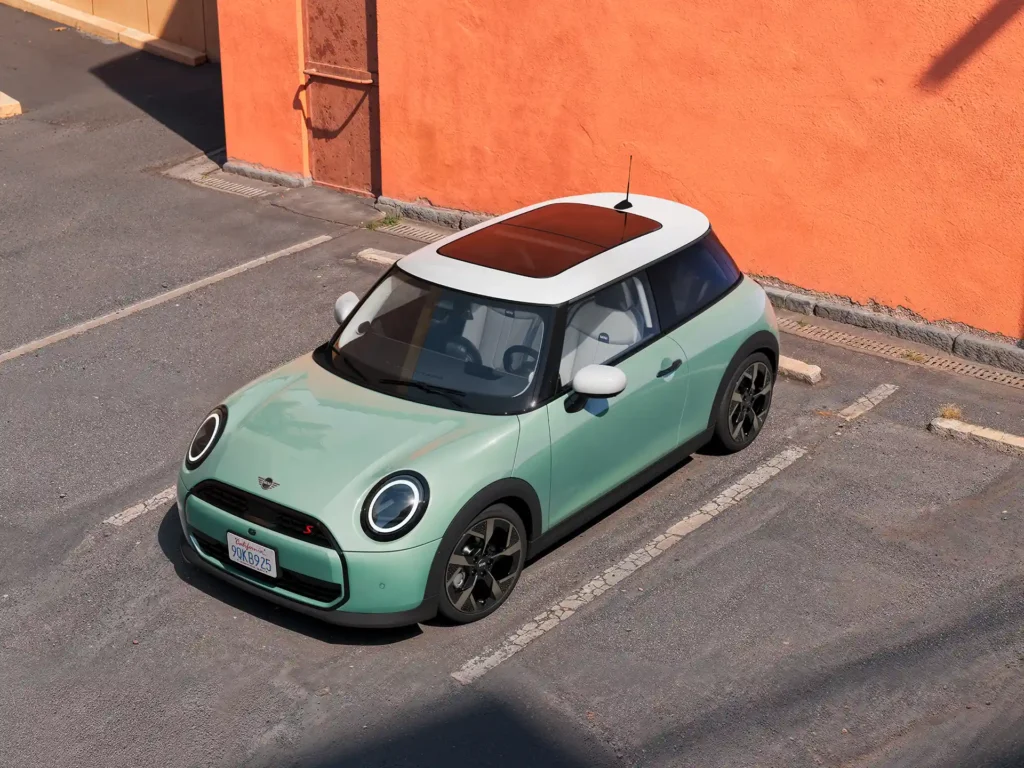
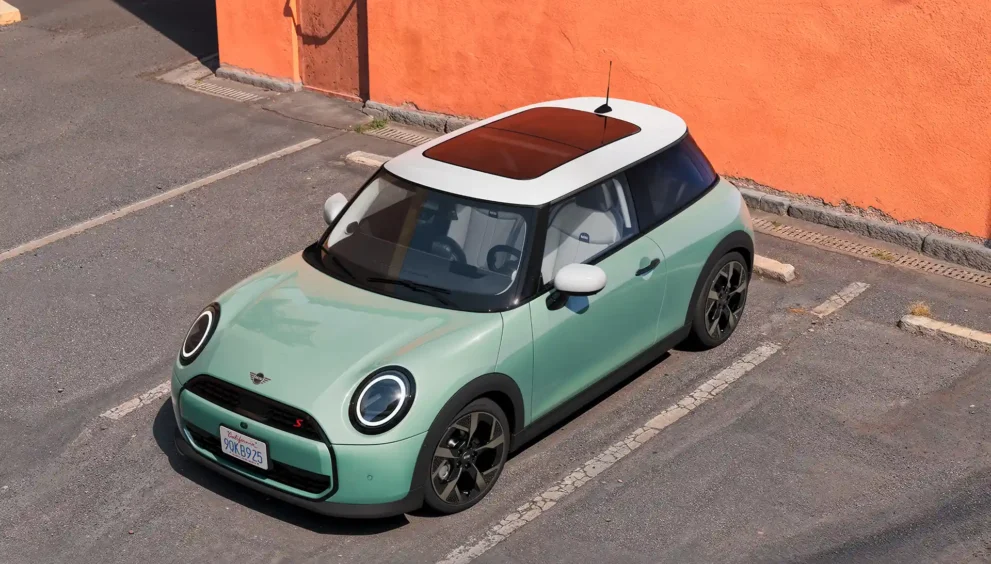
Models like the mini hatch show how compact vehicles can evolve with technology while keeping driving simple and enjoyable.
At the same time, vehicles such as the Mini Cooper reflect how personality and practicality can coexist, regardless of whether the power comes from fuel or electricity.
Moving Forward
The conversation isn’t electric versus petrol anymore. It’s about balance.
Balance between savings and convenience, sustainability and infrastructure, and performance and practicality.
Modern cars, both electric and traditional, are improving together. That’s what makes this moment interesting.
Driving isn’t being replaced, it’s being refined. The real advantage? Buyers now have options. The future doesn’t belong to one side. It belongs to whichever option fits your life best.