
 English
The Enduring Charm of Compact Performance Cars in an SUV World

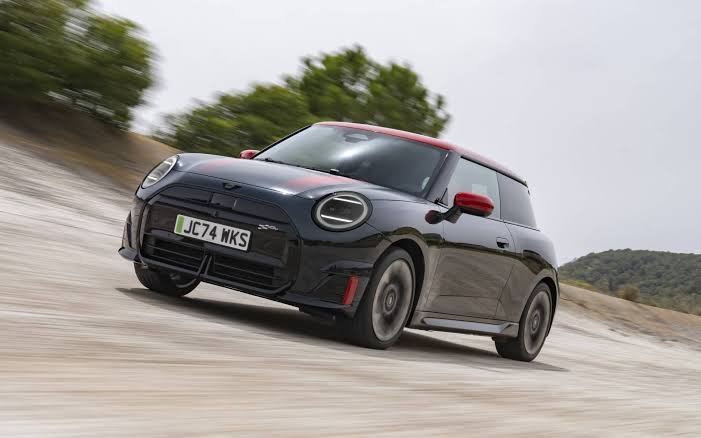
You can see how dramatically the landscape has changed if you walk through any parking lot these days. Nearly every row is dominated by towering SUVs and crossovers, which are changing both how manufacturers build cars and how consumers interpret what a “practical” automobile should look like. Heavy frames, larger wheelbases and taller ride heights are becoming normal rather than the exception.
However, a more modest countermovement has continued despite this trend toward size and height. A dedicated group of drivers is still looking for cars that are more compact, agile and responsive to the road, i.e., cars that prioritise agility over size. This preference isn’t only old-fashioned; it also shows a sincere respect for a unique driving experience that bigger cars just can’t match.
The Appeal of Driving Something Smaller
A car that reacts quickly to steering input, fits into confined spaces without hesitation and seems light and nimble rather than heavy in daily traffic brings a certain satisfaction. This type of experience is provided by compact cars designed with performance in mind. They are more about the instantaneous and honest relationship between the driver and the machine than they are about raw power numbers.
This is one of the reasons why, despite the market’s shift toward crossovers, compact performance hatchbacks continue to have a devoted following. The sense that every input, from braking to cornering, immediately affects how the automobile behaves is a common way enthusiasts describe the appeal.
A Segment Rooted in Motorsport Heritage
This driving character has its roots in motorsport. A large number of modern compact performance automobiles evolved from concepts that were initially shaped by rally and track racing, when agility and low weight were more crucial than size. Even in models designed primarily for everyday travel, this history continues to impact technical decisions, from weight allocation to suspension tuning.
The Mini Cooper is a typical example of this design philosophy being carried through generations. Its ongoing appeal isn’t only down to branding or vintage appearance. It’s an expression of a broader approach to vehicle design that prioritises agility and driver engagement over size, viewing compactness as a benefit rather than a drawback.
Community and Culture Around Compact Performance Cars
This sector has a significant cultural component in addition to its mechanical aspects. Owners’ clubs, local gatherings and internet discussion boards have developed around these cars, creating communities based on a shared appreciation for handling dynamics, customisation and the small details that set a compact car apart from mass-market alternatives. This sense of belonging is something that larger, more generic vehicles rarely inspire in the same way.
Track days and amateur motorsport events also continue to attract owners of compact performance cars, many of whom see their vehicles as platforms for learning car control rather than simply modes of transport. The relatively low cost of entry compared with larger performance vehicles makes the segment more accessible to newcomers who want to experience spirited driving without the expense typically associated with high-performance machinery.
Performance Variants Within the Segment
With firmer springs, more aggressive aerodynamics and tuned engines targeted directly at drivers seeking more than everyday practicality, some cars in this larger category push the performance angle even farther. These variations, which are somewhat different from the conventional lineup but have the same fundamental concept of small, captivating design, frequently have their own devoted fan base.
The Mini JCW series, which was created especially to enhance the driving experience for individuals looking for a more track-orientated feel while maintaining the usefulness of a tiny daily driver, is often mentioned as a prime instance of this strategy. Its presence demonstrates how, despite broader industry trends toward size and utility, firms in this sector continue to invest in performance-focused engineering.
Why This Segment Still Matters
It’s important to consider whether compact performance cars will remain relevant as the automotive industry continues to change due to electrification and changing consumer preferences. The answer seems to be yes, at least for a subset of drivers that choose handling and character over interior capacity and ride height, based on ongoing enthusiast interest and consistent sales in this sector.
Ultimately, the persistence of this category says something meaningful about driving culture itself. Not every driver wants the largest, tallest or most powerful vehicle available. Some simply want a car that feels alive underneath them, one that turns routine trips into something closer to enjoyment. That desire, it seems, isn’t going away anytime soon.