
 English


Third Party Veterinary Medicine Manufacturer in India: How the Model Works

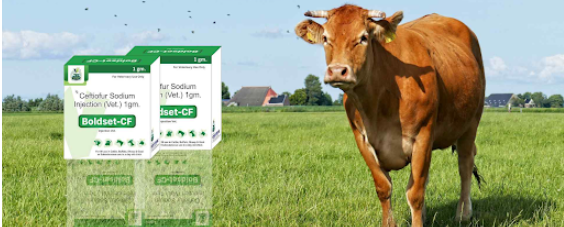
Setting up an in-house veterinary manufacturing unit takes years and significant capital, which is why most emerging veterinary brands, distributors, and entrepreneurs start with a third party veterinary medicine manufacturer in India instead. It lets a business bring its own branded formulations to market without owning a manufacturing facility.
This guide explains how third-party veterinary manufacturing actually works, what to evaluate before partnering with a manufacturer, and mistakes that often catch first-time brand owners off guard.
The Main Issue: Confusion Between Third-Party and Loan Licensing
Many people use “third-party manufacturing,” “contract manufacturing,” and “loan licensing” interchangeably, but they aren’t identical. In third-party or contract manufacturing, the manufacturer holds its own drug licence and WHO-GMP or Schedule M compliant facility, and produces goods under the client’s brand based on an agreed formulation and quality specification.
Loan licensing, by contrast, involves the licence holder permitting use of their licence and premises for another party’s manufacturing, which carries different regulatory and liability implications. Understanding which arrangement you’re actually entering matters as much as the commercial terms.
Key Considerations Before Partnering
- Licensing and certification: Confirm the manufacturer holds a valid state drug licence for veterinary formulations and, ideally, WHO-GMP certification.
- Product range and capability: Check whether the manufacturer can produce your required dosage forms — injections, boluses, oral liquids, powders, or feed supplements.
- Quality control process: Ask about raw material sourcing, in-process testing, and batch release procedures.
- Minimum order quantities: These vary by manufacturer and affect your initial investment and inventory planning.
- Turnaround time and supply consistency: Reliable, on-time production matters as much as product quality once you’re serving distributors or customers.
Practical Guidance
Start by shortlisting manufacturers with verifiable WHO-GMP certification and a product portfolio that matches your target segment, whether that’s livestock, poultry, or companion animals. Request sample batches and documentation, including certificates of analysis, before committing to larger orders.
Draft a clear manufacturing agreement covering formulation ownership, packaging specifications, minimum order quantities, pricing, and timelines. It also helps to visit the facility if possible, or at minimum request photographs or a virtual tour, since this gives a realistic sense of manufacturing capability beyond marketing claims.
Common Mistakes to Avoid
- Not verifying drug licence and GMP certification independently before signing an agreement.
- Choosing a manufacturer based on price alone, without checking quality processes.
- Skipping a written agreement covering formulation rights, packaging, and supply terms.
- Underestimating minimum order quantities and the working capital they require.
- Failing to plan for consistent reordering, which can disrupt supply to your own distributors or customers.
When Professional Help May Be Useful
If you’re new to the veterinary pharma business, consulting with an experienced manufacturer early, before finalising your product list or brand name, can help you avoid formulation or regulatory issues later. This is particularly useful when your product range spans multiple dosage forms, each with different manufacturing and packaging requirements.
Businesses expanding into export markets or handling scheduled/controlled formulations should also seek guidance on compliance requirements specific to those categories before committing to a manufacturing partner.
Conclusion
Third-party manufacturing gives veterinary businesses a practical way to launch and scale a product range without owning a production facility, but the model only works well when the manufacturing partner is chosen carefully. Verifying licensing, quality processes, and agreement terms upfront saves considerable time and cost down the line.
VetSet Lifecare is a WHO-GMP certified third-party veterinary manufacturing partner based in Ambala, Haryana, offering injections, boluses, and feed supplements under client brands. You can also explore PCD franchise opportunities or get in touch to discuss your specific product requirements.
Frequently Asked Questions
1. What is third-party veterinary medicine manufacturing?
Third-party veterinary medicine manufacturing is an arrangement where a licensed manufacturer produces veterinary formulations under a client’s brand name, based on agreed specifications. The client handles marketing and distribution, while the manufacturer manages production, quality control, and regulatory compliance for the manufacturing process.
2. How is third-party manufacturing different from loan licensing?
In third-party or contract manufacturing, the manufacturer uses its own licensed facility and holds manufacturing responsibility. In loan licensing, the licence holder permits another party to manufacture using their licence and premises, which involves a different regulatory relationship and liability structure between the parties.
3. Do I need a drug licence to sell third-party manufactured veterinary products?
Requirements vary depending on your role in the supply chain — whether you’re marketing under your own brand, distributing, or retailing. It’s advisable to confirm applicable licensing requirements with the relevant state drug licensing authority based on your specific business model.
4. What is WHO-GMP certification and why does it matter?
WHO-GMP (Good Manufacturing Practice) certification indicates that a manufacturing facility meets World Health Organization quality standards for consistent, safe production. For veterinary medicines, it signals that the manufacturer follows structured processes for raw material sourcing, production, and quality testing.
5. What dosage forms can a veterinary third-party manufacturer typically produce?
Common dosage forms include injections, boluses, oral liquids, powders, feed supplements, and mineral or vitamin formulations. Not every manufacturer produces all forms, so it’s important to confirm specific capabilities against your required product list before finalising a partnership.
6. What is the minimum order quantity for third-party veterinary manufacturing?
Minimum order quantities vary by manufacturer, dosage form, and packaging type. Injectables and boluses often have different MOQs compared to feed supplements or oral liquids. It’s best to request this information directly from the manufacturer for each product you plan to launch.
7. Can I get my own brand name and packaging on third-party manufactured products?
Yes, this is the core feature of third-party manufacturing. The client typically owns the brand name, packaging design, and marketing rights, while the manufacturer produces the formulation under that brand, subject to the terms agreed in the manufacturing contract.
8. How long does it take to launch a product through third-party manufacturing?
Timelines depend on formulation readiness, packaging design and approval, and the manufacturer’s production schedule. Established formulations with straightforward packaging can move faster, while custom formulations may require additional development and testing time before the first batch is ready.
9. What documents should I request from a veterinary manufacturer before ordering?
Request the manufacturer’s drug licence copy, GMP certification, product-specific certificates of analysis, and a written manufacturing agreement covering pricing, timelines, and quality responsibilities. These documents help verify legitimacy and set clear expectations before you commit to an order.
10. Is third-party manufacturing suitable for small veterinary businesses just starting out?
Yes, it’s often the most practical entry point for small businesses and new entrepreneurs, since it avoids the capital investment of building a manufacturing facility. Many manufacturers work with businesses of varying sizes, though minimum order quantities should be checked against your initial budget.