
 English
How Skip Bin Hire Makes Adelaide Home Cleanouts Faster and Easier

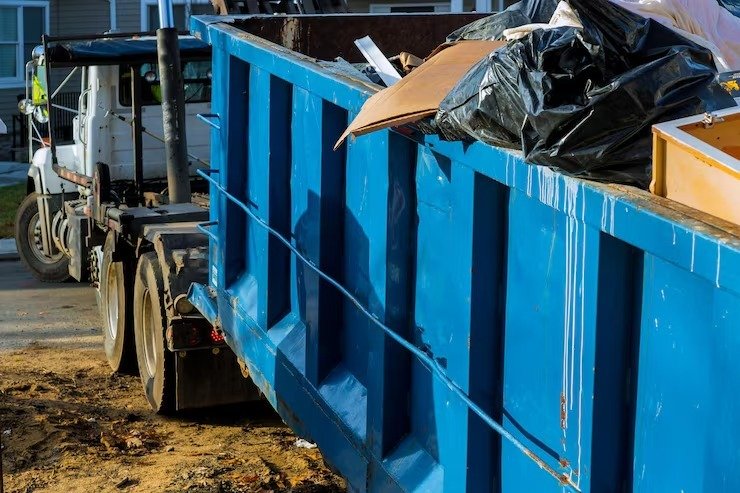
A home cleanout has a way of expanding the moment you actually start. What looks like an afternoon job often turns into a weekend project once old furniture, years of clutter, and the odd broken appliance all come out of storage at once. The difference between a cleanout that drags on and one that wraps up quickly usually comes down to how the waste is handled, not how hard you work at it.
Here’s how skip bin hire makes home cleanouts faster in practice, and why it tends to beat the alternatives most people default to first.
The Problem With the “Multiple Trips” Approach
Before skip bins became common, the standard cleanout method was loading up a car boot or trailer and making repeated trips to the local waste transfer station. It works, but it’s slow. Every trip means loading, driving, unloading, and driving back, often multiple times for a single decent-sized cleanout.
It also front-loads all the physical effort into moving heavy items twice, once into the car or trailer, and again at the tip. For anyone without a trailer, it usually means borrowing one or renting it separately, adding another step before the actual cleanout even starts.
What Changes With a Skip Bin On-Site
A skip bin flips the entire process around. Instead of moving waste to a vehicle and then to a disposal site, everything goes straight from the house to the bin sitting in your driveway. That’s one movement instead of two or three, which adds up to real time savings once you’re dealing with a whole house rather than a single room.
It also removes the pressure of finishing everything in one go. Since the bin typically stays on-site for a standard hire period of around 5 to 7 days, you can work through a cleanout at your own pace across a weekend, or even spread it across the week around other commitments, rather than needing to coordinate everything around a single tip run.
Less Decision Fatigue During the Cleanout
Anyone who’s tackled a big cleanout knows the mental load isn’t just physical, it’s constant micro-decisions about what to keep, what to toss, and where everything needs to go. Having a single skip bin removes one layer of that decision-making. Instead of sorting items into “car,” “trailer,” “charity pile,” and “definitely rubbish,” most general household items can go straight into the bin without overthinking it.
This matters more than people expect. Decision fatigue is a big reason cleanouts stall out halfway through, and simplifying the sorting process helps keep momentum going until the job’s actually finished.
Matching the Right Bin Speeds Things Up Too
Part of what makes a cleanout faster is not having to stop partway through because the bin’s full or the wrong type entirely. Booking a size that matches the actual scope of the job avoids the delay of arranging a second bin mid-cleanout. This breakdown of bin dimensions makes it easier to size the booking accurately from the start rather than guessing and running short.
The same goes for waste category. A cleanout that includes both general household items and some garden waste or old building material moves faster when the right bin type is booked upfront, rather than needing to sort and re-sort material because the wrong category was chosen. Checking what’s accepted across each waste type before booking avoids this kind of mid-cleanout disruption entirely.
Same-Day and Next-Day Delivery Keeps Momentum Going
One of the more underrated time-savers is how quickly a bin can actually show up. Many providers offer same-day or next-day delivery for bookings placed early enough in the day, which means a cleanout can often start almost as soon as the decision is made, rather than waiting days for a scheduled slot. This matters particularly for cleanouts tied to a deadline, preparing a property for sale, clearing a rental before a lease ends, or managing an estate cleanout on a tight timeframe.
A Practical Example: Comparing the Two Approaches
Picture a full garage cleanout involving old furniture, several boxes of accumulated clutter, and a couple of broken appliances.
The trailer approach typically means: loading the trailer, driving to the tip, unloading, driving back, and repeating this at least twice or three times depending on trailer size, plus sorting fees or entry costs at the disposal site each visit.
The skip bin approach means: the bin arrives on your driveway, you load it directly as you clear the garage over a day or two, and it gets collected once you’re done, no repeat trips, no juggling a trailer booking, and no multiple stops at a transfer station.
The time saved isn’t just about driving, it’s about not having to break the cleanout into multiple separate sessions spread across trips.
Where This Matters Most
This convenience factor tends to matter most for:
- Whole-house or estate cleanouts, where the sheer volume of waste makes multiple trips impractical
- Time-sensitive situations, like preparing a property for sale or vacating a rental
- Households without easy access to a trailer, where borrowing or hiring one adds an extra step before the cleanout can even begin
- Larger properties, including areas like Woodcroft, where bigger blocks often mean bigger cleanouts with more to clear in one go
Final Thoughts
The biggest difference a skip bin makes isn’t just convenience for its own sake, it’s removing the repeated loading, driving, and unloading that turns a manageable cleanout into an all-day ordeal. For anyone looking for a faster and easier way to clear out a home, booking the right size and waste category upfront, and letting the bin sit on-site for the length of the job, keeps a cleanout moving at your own pace instead of being dictated by how many trailer trips you can fit into a weekend.