
 English


Wedding Bridal Dress Styles Compared: Finding the Right Fit for Your Day

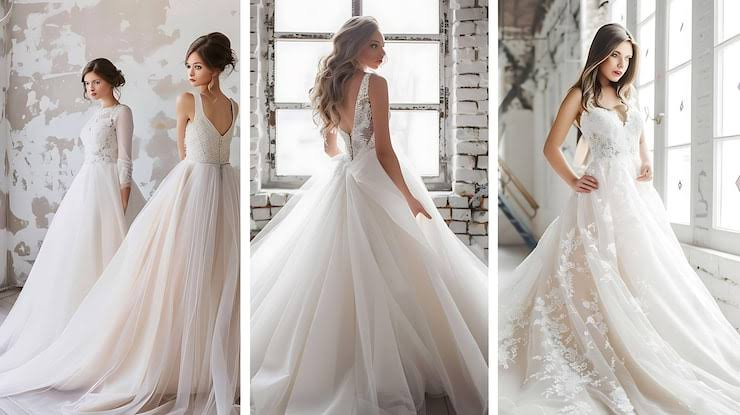
The bridal market presents prospective brides with an enormous range of choices that can feel overwhelming without a framework for evaluation. Understanding the key variables that distinguish one wedding bridal dress from another—silhouette, fabric, construction tier, and embellishment approach—makes it easier to enter the shopping process with clarity and exit with confidence.
Silhouette: The Starting Point
Silhouette is typically the first decision in the bridal dress selection process, and it shapes every subsequent choice. The ball gown silhouette—a fitted bodice with a full, voluminous skirt—creates maximum visual impact and works best in settings with sufficient physical space: large church ceremonies, ballroom receptions, and outdoor venues where scale feels appropriate. Its dramatic quality reads beautifully in wide-angle photography.
The A-line is the most universally flattering bridal silhouette. Fitted through the bodice and waist, it flares gradually from the hips in a clean triangle line. The A-line works across body types and in virtually any venue scale. It moves naturally, allows comfortable sitting and dancing, and suits both formal and more relaxed wedding settings.
Mermaid and Sheath Compared
Mermaid silhouettes follow the body closely through the bodice, hip, and thigh before flaring dramatically at or below the knee. The effect is undeniably striking and suits brides who want a figure-forward, high-impact look. The practical limitation of the mermaid is movement—the silhouette restricts stride length and requires a specific walking technique that benefits from practice before the wedding day.
The sheath silhouette is the most minimal and modern of the four main categories. It follows the body’s lines without flaring, creating a clean column from neckline to hem. Sheath gowns read as contemporary and restrained, and they work particularly well for civil ceremonies, courthouse weddings, and modern venue settings. Their simplicity means that fabric quality and embellishment detail carry more visual weight than in fuller silhouettes.
Fabric Tier Comparison
Fabric quality is one of the clearest differentiators between budget, mid-market, and couture tiers of the wedding bridal dress market. Budget options typically use polyester satin, synthetic lace, and polyester tulle—fabrics that photograph adequately but feel and move differently from natural-fiber alternatives. A Wedding Bridal Dress at the mid-market level typically incorporates silk-polyester blends, higher-grade lace, and more refined finishing. At the couture level, pure silk satin, French lace, and hand-embroidered tulle are standard.
The practical impact of fabric quality is most visible in two contexts: in person on the wedding day, and in the long-term condition of the dress post-wedding. Higher-quality fabrics drape more naturally, resist wrinkling more effectively, and hold their color and structure over time. For brides who plan to preserve their gown, fabric quality is an investment in the dress’s long-term condition.
Embellishment Approaches
Embellishment in bridal dressing ranges from completely unadorned to maximally embellished, with many gradations between. Lace overlays—whether as a full-coverage fabric or applied in panels and appliqués—are the most common bridal embellishment. Beading and crystal application add sparkle and visual complexity. Three-dimensional floral work—organza flowers, silk petals, sculptural appliqués—creates texture and depth that photographs with particular richness.
The level of embellishment should be calibrated to the wedding’s formality, the venue’s aesthetic, and the bride’s personal preference. A highly embellished gown requires minimal additional accessories; a simpler style benefits from considered jewelry and accessory choices that complete the look. Neither approach is inherently superior—the alignment between the gown, the setting, and the wearer’s comfort with the level of visual attention is what matters.
Conclusion
Evaluating wedding bridal dress options across silhouette, fabric, and embellishment provides a structured way to approach a decision that can otherwise feel driven entirely by emotion. Understanding what each choice involves practically—in terms of movement, photography, fitting requirements, and long-term care—allows brides to select with confidence rather than uncertainty. The right gown is the one that meets all of these criteria while reflecting the individual who will wear it.