
 English
From Vineyard to Glass: Everything You Need to Know About California Wine Country

Category:- Food & Travel Digital Magazine
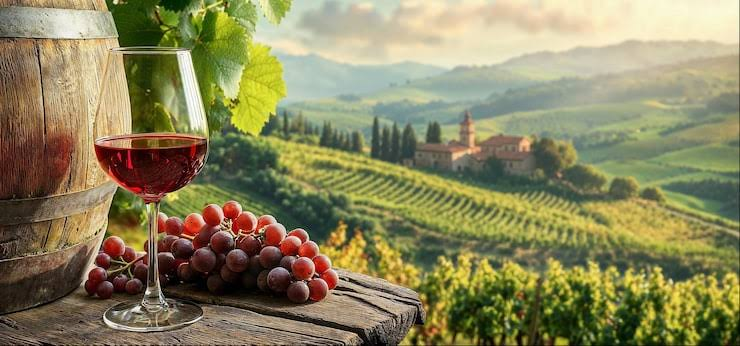
California produces nearly 80 percent of all wine made in the United States, and the sheer diversity of its wine-growing regions makes it one of the most exciting and complex wine destinations in the world. From the cool coastal valleys of Santa Barbara to the sun-drenched foothills of the Sierra Nevada, California wine country spans climates, soils, and winemaking philosophies that are as varied as the state itself. Whether you are a first-time visitor or a returning enthusiast, there is always more to explore.
Understanding California’s Major Wine Regions
Napa Valley and Sonoma County tend to dominate the conversation about California wine, and with good reason. Both regions produce world-class wines and have built substantial hospitality infrastructure that makes them accessible and enjoyable to visit. However, limiting your exploration to these two regions alone means missing some of the most exciting wine being made in the state.
Paso Robles, located roughly halfway between Los Angeles and San Francisco, has emerged as one of the most dynamic wine regions in California over the past two decades. The region’s significant day-to-night temperature swings and diverse soil types support an impressive range of varietals. Zinfandel, Rhône varietals such as Grenache and Syrah, and Bordeaux-style blends all thrive here, and the tasting room culture is notably relaxed and welcoming compared to more famous destinations.
The Cooler Side of California Wine
Travelers exploring california wine country beyond the well-known corridors will find remarkable producers working in regions shaped by marine influence. Santa Barbara County, particularly the Santa Rita Hills and Santa Ynez Valley appellations, produces some of the most compelling Pinot Noir and Chardonnay in the state. The cold Pacific air that funnels through the transverse mountain ranges keeps temperatures low enough to allow for extended hang times, developing complex flavors that wine lovers prize highly.
Further north, the Sonoma Coast appellation has developed a devoted following among those who seek out high-acid, age-worthy Pinot Noirs from rugged, wind-battered hillsides. These wines are distinctly different from their Napa Valley counterparts — less opulent, more restrained, and deeply expressive of their cool-climate origins.
Pairing Wine Regions with Travel Experiences
Part of what makes California wine country such a compelling destination is the way it integrates with broader travel experiences. Napa Valley pairs naturally with world-class dining at restaurants such as The French Laundry or Bouchon, where wine and food exist in conversation with each other at the highest level. Sonoma County, with its working farms, artisan cheese producers, and more laid-back character, suits travelers who want their wine experience embedded in everyday life.
Paso Robles rewards road trip travelers with its accessible location along Highway 101 and its proliferation of small, owner-operated estates where you might pour with the winemaker themselves. The town of Paso Robles has developed a genuine food scene that complements the wine, making it an easy overnight destination with a high satisfaction rate among visitors.
When to Visit and What to Expect
Harvest season — roughly August through October — is the most visited time in California wine country. The vineyards are at their most dramatic, crush activity fills the air with the scent of fermenting grapes, and many estates host special events and dinners tied to the harvest. However, this is also the most crowded and expensive time to visit, and tasting room waits can be significant.
Spring, particularly April and May, offers a beautiful alternative. The vines are budding, the hills are still green, and the crowds are manageable. Winemakers often have more time to talk during this quieter period, and many estates release their new vintages in the spring, making it an excellent time to taste wines before they sell out.
Responsible and Sustainable Wine Travel
California has been at the forefront of sustainable viticulture, and many estates actively encourage visitors to learn about their farming practices during tastings. Asking about soil health, water management, and farming certifications often opens up engaging conversations that deepen your appreciation for what is in the glass. Choosing to visit estates with verified sustainability credentials adds purpose to your travel and supports operations that are genuinely trying to make wine in a responsible way.
Conclusion
California wine country is too large and too varied to see in a single trip, and that is precisely what makes it so endlessly appealing. Each region has its own personality, its own varietals, and its own rhythm of hospitality. Go slowly, ask questions, and resist the urge to check boxes. The bottles you remember most will be the ones poured by someone who was clearly proud of what they had made and delighted to share it.