
 English

Bikini Hair Removal Methods Compared: What to Consider for Sensitive Skin

If you’ve ever ended up with red bumps, itching, or ingrown hairs a day or two after bikini hair removal, you’re not doing it wrong; you may just be using a method that doesn’t suit your skin. This is one of the most sensitive, thin-skinned areas on the body, and what works fine on your legs can genuinely misbehave here. This guide compares the common methods honestly, including where each one tends to go wrong, so you can pick based on your actual skin rather than whatever method happened to be convenient last time.
Why This Area Reacts Differently to Begin With
Skin in the bikini area is thinner and has a higher concentration of hair follicles packed closely together than most other parts of the body, and it’s also an area prone to friction from clothing. That combination means irritation that would barely register on your arm can show up here as redness, bumps, or ingrown hairs. If you already deal with sensitive skin, eczema, or a tendency toward ingrown hairs elsewhere, this area will usually show that same sensitivity first and worst.
The Common Methods, Honestly Compared
Shaving — a temporary fix, not a solution
Fast, cheap, and available at home, which is exactly why it’s the default. But it’s worth being clear-eyed about what it actually is: a same-day, surface-level fix. It cuts hair at the skin’s surface, so regrowth is quick, often within a day or two, and the combination of a blade plus tight underwear is a well-known recipe for ingrown hairs and razor burn in this specific area. If you shave, a sharp single-use blade and shaving with the grain of hair growth, not against it, meaningfully cuts down on irritation, but you’re still resetting the clock every few days.
Waxing — longer-lasting, but still temporary
Wax pulls hair from the root, so regrowth takes longer, typically two to four weeks, and often comes back softer than after shaving. That’s a real improvement over shaving, but it’s still a temporary method: the follicle itself is untouched and simply starts producing hair again on its own schedule. The trade-off is also worth naming plainly: it’s genuinely painful for many people, and it works by intentionally creating a controlled skin injury, which is precisely why it’s a poor fit for already-sensitive or reactive skin. Post-wax redness and bumps for a day or two are common even on skin that tolerates it well.
Laser hair removal — the permanent option
This is where the comparison changes category entirely. Laser targets the hair follicle itself using light energy absorbed by pigment in the hair, disabling its ability to regrow rather than just cutting or pulling the hair that’s already there. That’s the fundamental difference from every method above: shaving and waxing manage hair that exists; laser goes after the source. With a full recommended course, most people see significant, long-term hair reduction, the closest thing to a permanent result available outside of electrolysis, and it’s the only method on this list that gets less demanding over time instead of staying a recurring chore. It isn’t instant; it works over a course of sessions timed to the hair growth cycle, and it isn’t magic; it’s a real medical procedure with real technique requirements, which is exactly why who performs it, and what device they use, matters.
Why the device matters: technology like Soprano ICE Platinum/Titanium
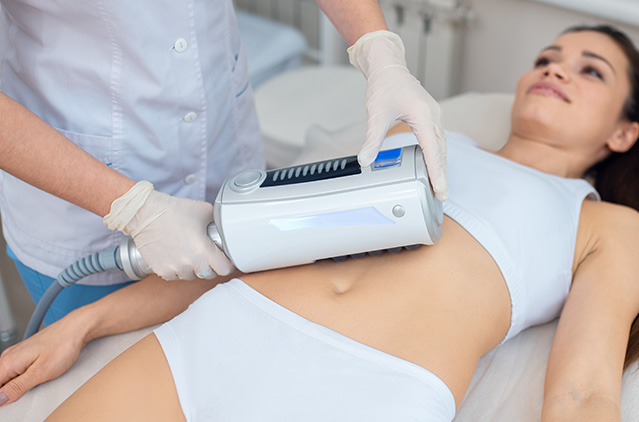
Not all lasers are built the same, and for a sensitive, melanin-prone area like this, the difference shows up directly in comfort and safety. Platforms like the Alma Soprano ICE Platinum and Titanium use multiple laser wavelengths in combination rather than a single one, which allows a practitioner to treat a wider range of skin tones and hair types safely within the same system, including the deeper skin tones that older single-wavelength lasers handled less predictably. They also deliver energy gradually with a built-in cooling tip, rather than a single sharp pulse, which is a meaningfully more comfortable experience in a sensitive area and reduces the heat spikes that irritate. This is a genuine example of why “laser hair removal” isn’t one uniform treatment; the underlying technology changes both how safe and how comfortable the experience actually is.
What Sensitive Skin Specifically Needs to Know
Why technique matters more than the device
For melanin-rich skin in particular, laser settings have to be calibrated carefully, because the same pigment that makes hair visible to the laser is also present in the surrounding skin. Done by an experienced practitioner with the right device and settings, this is well managed. Done carelessly, it can cause temporary darkening or lightening of the treated skin. This is precisely why “which clinic and who’s operating the device” matters as much as “which method.”
What a cautious first session should look like
A proper consultation before a first session, checking your skin type, any history of keloid scarring, and current medications, is a reasonable thing to expect and ask for. A patch test is standard practice before a full session in a sensitive area, and a clinic that skips straight to a full treatment without one is worth a second look. If you’re researching laser hair removal in Whitefield or anywhere else, asking specifically how they calibrate settings for sensitive or melanin-rich skin is a fair and useful question to lead with.
Who should be cautious or wait
Laser hair removal generally isn’t recommended during pregnancy, largely because the area hasn’t been well studied in pregnant patients rather than because of confirmed harm. Recent tanning, active skin infections, and certain medications, isotretinoin being a common one, are also reasons a clinician may advise waiting. If any of this applies to you, that’s a conversation for a consultation, not a reason to rule the method out permanently.
A Realistic Look at What to Expect
Mild redness and slight swelling for a few hours to a day after a laser session is normal, not a sign something went wrong. It typically takes multiple sessions, spaced weeks apart to align with the hair growth cycle, before results become significant; one session will not clear an area. The accurate term clinicians use is “permanent hair reduction” rather than permanent removal. Most people see a dramatic, long-lasting drop in hair growth after a full course, with the occasional fine hair returning over the years, which is a very different outcome from shaving or waxing’s few-day reset, but still worth knowing precisely rather than expecting zero hair ever again.
A De-Identified Case
A woman in her mid-20s with a history of recurring ingrown hairs and razor bumps from shaving came in specifically frustrated after years of managing the same cycle of irritation. Patch testing showed no adverse reaction, and a conservative, lower-fluency approach was used for her first sessions given her skin’s reactivity history, with settings adjusted slightly upward only once tolerance was confirmed. Ingrown hairs reduced noticeably by the third session, though full results took the full recommended course. She was advised that spaced sun protection and gentle exfoliation between sessions mattered as much as the sessions themselves for keeping her skin calm through the process.
Questions Worth Asking Before You Book
- Have you worked with sensitive or melanin-rich skin like mine before, and how do you adjust for it?
- Do you patch test before a full first session?
- What’s the realistic number of sessions for someone with my hair and skin type?
- What should I avoid doing in the days before and after a session?
- What would irritation or an adverse reaction look like, and how would you handle it?
Key Takeaways
- Bikini-area skin is thinner and more friction-prone than most of the body, so irritation that’s minor elsewhere often shows up here first and worst.
- Shaving and waxing both manage existing hair rather than stopping regrowth; they’re genuinely temporary methods, however convenient or long-lasting between sessions they feel.
- Laser hair removal is the only method here that targets the follicle itself, and with the right technology, multi-wavelength platforms like Soprano ICE Platinum/Titanium in particular, it’s a safe, comfortable route to long-term, permanent reduction even for sensitive or melanin-rich skin.
- A patch test and a proper consultation before a first session are reasonable things to expect, not extra hoops to jump through.
Have you found one method that finally worked for sensitive skin after others failed? What made the difference for you?