 English
Planning a two-wheeler loan and EMI for the TVS Apache RR 310

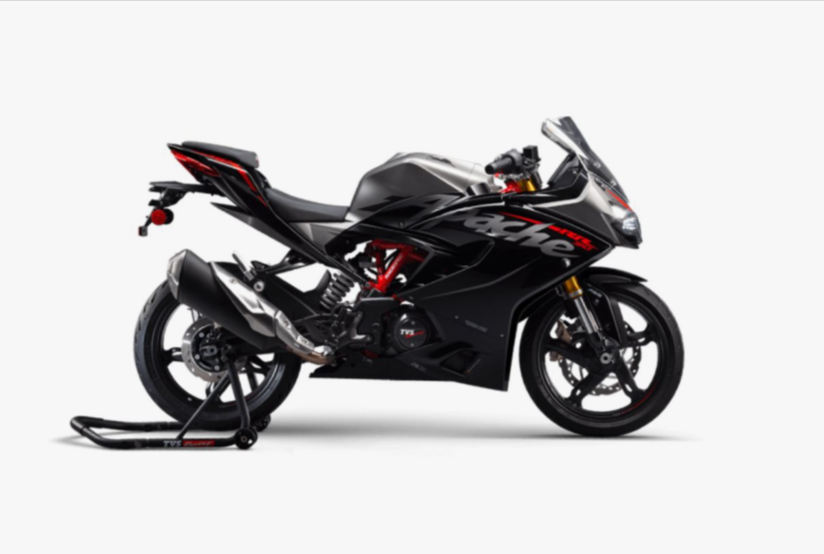
A TVS Apache RR 310 purchase deserves a financing plan that accounts for more than a tempting monthly instalment. This is a performance-focused motorcycle with a 312.2 cc liquid-cooled engine, riding modes and specialised equipment. Its acquisition cost is only one part of ownership; insurance, riding gear, tyres and scheduled maintenance also need room in the budget. A sensible two-wheeler loan allows buyers to enjoy the machine without relying on an unrealistically long repayment period or emptying their emergency savings.
Understand the motorcycle before deciding the loan amount
The current TVS Apache RR 310 specification lists 38 PS in Sport and Track modes, alongside 30 PS in Urban and Rain modes. The engine uses electronic throttle control and a six-speed gearbox. That versatility suits a rider who wants engaging weekend riding but still needs predictable response in city conditions. Equipment and optional Build To Order customisation can affect the vehicle’s ex-showroom price, so a general model advertisement cannot substitute for the precise configuration on the dealer’s quotation.
Establish the base motorcycle price and identify upgrades that are genuinely valuable. Certain custom equipment may be appealing but also increases the financed amount if included in the agreement. Ask the dealership to distinguish factory specifications from accessories supplied separately. If the price rises between enquiry and booking, request a revised written cost breakdown before submitting the loan application. Borrowing more just because a lender allows it can reduce financial flexibility for maintenance later.
Estimate EMI without mistaking it for total cost
A reducing-balance loan EMI depends principally on the financed principal, annual interest rate and tenure. Longer tenure usually lowers each instalment but increases total interest if the interest rate remains unchanged. For illustration, borrowing Rs. 2,00,000 at a hypothetical 12% annual reducing interest over 36 months produces an EMI of about Rs. 6,643. This is a mathematical example, not a lender offer or a prediction of the rate any applicant will receive.
| Repayment term (months) | Approximate EMI | Approximate total interest |
| 24 | Rs. 9,415 | Rs. 25,953 |
| 36 | Rs. 6,643 | Rs. 39,143 |
| 48 | Rs. 5,267 | Rs. 52,805 |
Illustrative 12% annual reducing interest; other fees are excluded. Values are rounded.
The example excludes processing charges, insurance, documentation fees and possible penalties. To compare offers properly, examine the total amount repayable and upfront costs. A lender quoting a seemingly smaller EMI may simply have spread repayment across more months. Enter identical principal and tenure values into a two-wheeler loan calculator before comparing interest rates. Then request the repayment schedule, which shows how the principal and interest portions change each month.
Decide the down payment before approaching lenders
A higher down payment generally reduces the borrowed principal and can bring monthly commitments down. However, using every available rupee for the down payment is risky. The Apache RR 310 may require specialist tyres, riding equipment and maintenance expenditure that a basic commuting motorcycle does not. Keep an emergency reserve and an allowance for essential household obligations. A deposit that looks impressive is unhelpful if it causes an expensive short-term borrowing need soon afterwards.
A practical approach is to calculate a comfortable EMI from disposable monthly income, then work backwards towards a realistic loan amount. Include fuel, parking, insurance renewal, periodic servicing and planned savings. This method prevents a lender’s maximum sanctioned amount from becoming your personal budget. If the preferred configuration exceeds what comfortably fits, consider postponing optional accessories or increasing the deposit gradually instead of stretching the tenure simply to close the gap.
Check lending terms beyond the interest rate
Ask whether the stated rate is fixed or floating, how interest is calculated and what charges apply to late payments. Processing fees, mandate-related charges and stamp duty can affect the effective cost of borrowing. A lender may also specify requirements around comprehensive insurance and hypothecation. Review the loan agreement for the procedure to close the loan early, any applicable prepayment or foreclosure charges, and how closure documents are issued.
Eligibility is assessed using the applicant’s credit profile, income, existing debts and lender policy. There is no universal credit-score guarantee for a two-wheeler loan. Multiple speculative applications may be counterproductive if they trigger repeated hard enquiries. Gather payslips or other accepted income evidence, address proof and identity documentation before applying. If self-employed, ask in advance which banking and tax records the lender accepts rather than assuming salaried-applicant requirements will apply unchanged.
What happens if you miss a payment?
Even one delayed instalment may lead to fees and collection activity, while prolonged delinquency can harm the borrower’s credit history. Build a buffer in the repayment account so an unexpected medical bill or delayed salary does not immediately cause an EMI bounce. Set payment reminders, keep bank mandates active and verify debit completion using authorised channels. If a payment fails, contact the lender promptly for an accurate overdue amount and next steps.
Avoid taking a second high-cost loan simply to conceal the first repayment difficulty. When financial circumstances change, discuss available support or restructuring policies with the lender before the account becomes severely overdue. Agreements differ, and no lender is obliged to approve a requested change. The motorcycle should remain a useful asset, not an ongoing source of financial stress. Maintaining sufficient cash reserves is part of a responsible purchase decision.
Loan term versus motorcycle ownership plans
Someone intending to keep an RR 310 for several years can evaluate a different repayment period from a rider likely to switch motorcycles sooner. Selling a hypothecated motorcycle normally requires resolving the outstanding finance and completing the relevant lender and registration formalities. If a buyer chooses a very long loan, the unpaid balance may still be substantial when an upgrade becomes attractive. Compare the expected outstanding principal at 12, 24 and 36 months, not just the first payment.
Performance motorcycles also experience wear according to use. Repeated track activity, aggressive riding and poor maintenance may increase expenditure or affect warranty and insurance conditions. Financing should never be calculated on the assumption that maintenance will cost nothing. Reserve funds for consumables, inspect warranty exclusions and avoid committing money earmarked for essentials. A loan is successful when repayments remain manageable even after ordinary ownership costs are added.
What to confirm before signing for an Apache RR 310
Obtain the final quotation for the exact variant and options, a written lender offer and a clear itemisation of financed charges. Compare the effective interest cost, total repayment, tenure, foreclosure conditions and procedures for resolving disputed debits. Check that the vehicle details and applicant information match the paperwork. Retain digital and physical copies of the agreement, repayment schedule, insurance and disbursement confirmation. Choose the EMI that fits an ordinary month rather than a best-case income month; the reward is being able to focus on riding the motorcycle instead of managing a strained loan.