 English
How to Choose the Right Driving School Packages in Toronto?

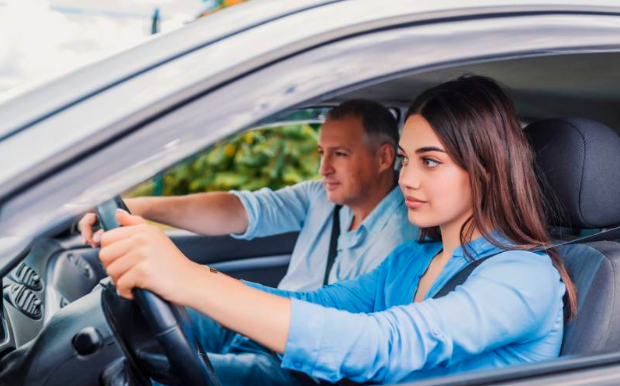
Almost every driving school in the city sells packages, and almost every package looks a little different. One school lists 10 hours of in-car lessons, another adds a mock test, and a third includes the car for your road test.
Picking the wrong one can leave you paying for hours you don’t need, or paying extra later for things you assumed were included. This guide explains what driving school packages usually contain, how to match one to your situation, and how to compare each Toronto driving school before you pay.
What Driving School Packages Usually Include
Most packages are built around the Beginner Driver Education (BDE) course approved by the Ontario Ministry of Transportation. By law, an approved BDE course has at least 40 hours: 20 hours of classroom instruction (in person or digital), 10 hours of in-vehicle lessons with a licensed instructor, and 10 hours of flexible time. Schools can use the flexible time for homework, digital lessons, simulator practice, or extra classroom or in-car time.
On top of this base, schools add extras to create different driving packages. Common add-ons include:
- More in-car hours. Some packages go beyond the standard 10 hours.
- Use of the instructor’s car for your road test. Without this, you must find a car yourself.
- A mock road test. This gives you a practice run on the type of routes used in the real test.
- Help booking your road test. This saves time, since test dates can fill up.
- Pick-up and drop-off. Useful if you live far from the school.
Not every learner needs all of these. Some people only want a few lessons or a road test package, which many schools also sell on their own. That is why the first step is to know what you actually need.
Match the Package to Where You Are Right Now
Different drivers need different things, so start with an honest look at your own situation.
You just got your G1 and are starting from scratch. A full BDE package is usually the best fit. Completing an approved course lets you book your G2 road test after 8 months instead of 12. DriveTest also notes it may lead to insurance savings.
You already have your G1 and have some practice. You might do well with a BDE package that has a few extra in-car hours, so you feel ready on test day.
You are close to your road test. A road test package, or a few hourly lessons plus a car rental for the test, may be enough. Many schools offer these without the full course.
You failed a road test or feel nervous. Look for packages with extra in-car time and a mock test. Lowestrates.ca, a Canadian insurance site, reports that the overall pass rate for Ontario’s road test is around 60 to 70 percent, and that coaching from a driving school tends to help.
You are busy with work or school. A school with virtual classroom options can save travel time, as long as the in-car lessons still fit your schedule.
It is also worth asking each school whether you can buy extra hours later at a discounted rate. Hourly lessons often cost $50 to $100 each, according to The Big Blog, so a lower top-up rate can add up.
Look Closely at the Price, and What Is Not Included
The prices for a typical BDE course usually vary quite a bit. The majority of approved schools charge from $600 to $1,600, with most experts reporting similar ranges. The cheapest deal could cost you a lot, while the most expensive deal may not be worth your money.
Before you pay, consider these questions:
- Is the fee for ministry certification included in the price?
- Are the e-learning materials free, or do they come with an extra fee?
- Are there any administration fees?
- Will the rental car be ready with all its equipment for your G2 or G test?
Renting a car for the road test alone typically costs somewhere between $100 and $250, so the actual charge may be somewhat different. Remember that some costs are never paid to the school. Many schools also sell trial lessons, often $50 to $80 per hour, so you can test an instructor before you commit to a full package.
How to Compare Each Toronto Driving School
Once you know your needs and your budget, compare a few options side by side. A simple checklist helps:
- Check that the school is ministry-approved. Only approved schools can offer the BDE course. The Ontario government publishes the list and a list of revoked schools.
- Ask about the instructors. They should be licensed, patient, and willing to explain what you are doing wrong in simple terms.
- Check pick-up areas and lesson times. A driving training school in Toronto should be able to reach your area and offer evening and weekend slots.
- Ask about the roads you will practice on. Toronto has streetcars, bike lanes, and busy highways. Good lessons include them.
- Read recent reviews. Look for comments about punctual instructors, clear pricing, and honest advice.
- Get the refund policy in writing. The ministry doesn’t set prices and cannot issue refunds for school fees.
- Ask about insurance. Insurers decide discounts themselves, so ask your own insurer what proof they need. In most cases, you show your driver’s license history to confirm you completed an approved course.
Don’t be shy about calling two or three schools and asking the same questions. A good Toronto driving school will answer clearly and won’t rush you.
Final Thoughts
Finding a suitable driving package is essential, as it should fit your needs and budget. To start, make sure the institution is accredited by the Ministry of Transport. After that, it’s time to compare what’s on offer. Don’t just focus on the overall price; look out for added extras. If your research is inconclusive, you may want to sign up for a trial lesson.