 English

Mountain Cycle Buying Guide for Indian Riders

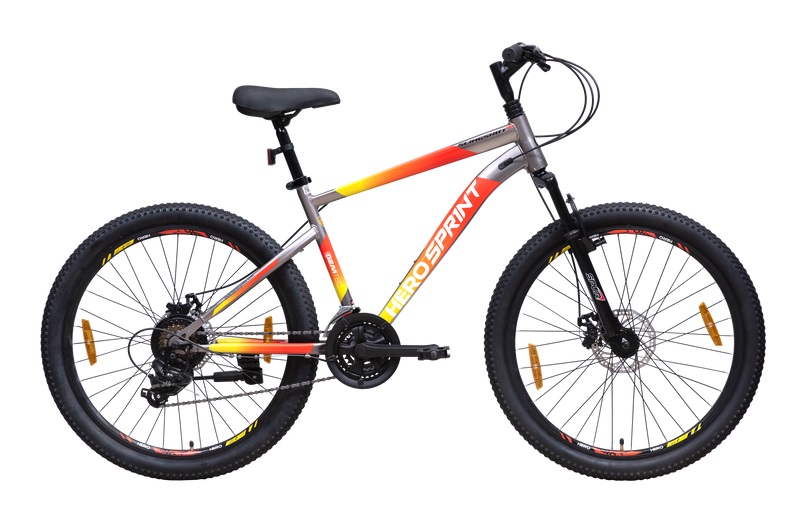
For riders in India seeking adventure beyond city streets and smooth pavements, choosing the right off-road bicycle can make all the difference. Whether you crave dirt trails, forest tracks, rocky paths, steep climbs, or monsoon-softened terrain, a thoughtful purchase decision empowers you to ride confidently, safely, and comfortably. This comprehensive guide walks you through everything you need to know before buying a mountain bicycle tailored to Indian conditions from terrain and components to sizing, maintenance, budgeting, and local availability.
Why Off-Road Riding Deserves a Dedicated Bike
Road bicycles models are fine for paved streets and light commutes, but off-road riding imposes high demands on both rider and machine. Rough trails, sudden obstacles, uneven surfaces, and varying gradients require enhanced stability, shock absorption, traction, and control. A purpose-built off-road bike delivers:
- Robust frame strength
- Suspension systems that absorb terrain shocks
- grippy tires
- Reliable braking power
- Drivetrains suited for climbing and descending
For riders who want to explore forests, hills, and countryside with confidence, investing in an off-road machine is less about luxury and more about safety and performance.
Understanding Key Off-Road Bike Types
Before you decide, it’s important to understand the major types of off-road bicycles available in the market:
1. Hardtail Bikes
These are bikes with suspension only in the front fork. They are lighter, simpler, and generally more affordable.
Ideal for:
- Beginner riders
- Mild trails or mixed terrain
- Urban rides that include occasional gravel sections
Advantages:
- Easier to maintain
- Efficient pedaling on climbs
- Lower cost
Limitations:
- Less comfort over very rough terrain
2. Full Suspension Bikes
These have both front and rear shock systems that provide smoother rides on rough trails.
Ideal for:
- Technical terrain
- Frequent forest or mountain trails
- Riders seeking comfort on extended rides
Advantages:
- Better traction
- Reduced rider fatigue
- Enhanced control
Limitations:
- Higher cost
- Slightly heavier
Wheel Size and Its Impact
Modern off-road bikes come in three main wheel sizes — 26″, 27.5″, and 29″ — each offering distinct characteristics.
26-inch
Once the standard, now less common. Provides quick handling and nimble feel.
27.5-inch
Balanced between agility and obstacle rollover ability.
29-inch
Large wheels roll over obstacles more easily and maintain momentum well.
For many Indian riders exploring mixed trail conditions, 29-inch wheels deliver confidence and comfort on long rides.
Drivetrain and Gearing Essentials
Off-road terrain can swing from steep climbs to rapid descents. This makes gear range and shifting reliability crucial.
1x Drivetrains
A single front chainring with a wide-range rear cassette is now widely favored. It simplifies shifting and reduces chain drop issues.
Wide Range Gearing
Look for a gear range that allows:
- Easier climbing on steep trails
- Comfortable cruising on flat stretches
A combination such as 11-speed systems with a large rear cog delivers versatility without mechanical complexity.
Braking System: Stay Safe, Stop Fast
Reliable braking is non-negotiable in off-road cycling.
Disc Brakes vs Rim Brakes
- Disc Brakes dominate the modern off-road scene; they offer strong stopping power in wet and dry conditions.
- Hydraulic Disc Brakes: smoother modulation and less manual effort.
- Mechanical Disc Brakes: easier maintenance and lower cost.
Avoid rim brakes for off-road use; they perform poorly in mud and wet conditions.
Sizing and Fit: Comfort Equals Confidence
A bike that doesn’t fit can cause discomfort and control problems. Always refer to manufacturer sizing charts and consider:
- Rider height
- Inseam measurement
- Reach and saddle height
- Handlebar width
If possible, test ride different sizes and geometries before finalizing your purchase.
Budgeting Your Purchase Wisely
Price ranges across off-road bikes vary widely. Here’s a basic breakdown to help you plan:
Entry Level
- Simple components
- Basic suspension
- Good for beginners
Budget-friendly and great for learning trail basics.
Mid-Range
- Better suspension and brakes
- Wider gear range
- Strong frame
Best balance of performance and cost for regular riders.
High-End
- Premium frames
- Advanced suspension tech
- Lightweight parts
Great for serious riders and long-distance trail enthusiasts.
When choosing, remember that cheaper doesn’t always mean better quality components enhance longevity, performance, and especially safety.
Maintenance and Upkeep
A bike that’s ridden frequently on rough terrain needs regular attention.
Routine Checks
- Tire pressure
- Brake performance
- Chain lubrication
- Suspension seals
- Bolt tightness
Professional Tune-Ups
Consider servicing every few months if your outings are frequent and intense.
Proper maintenance extends the lifespan of your bicycle and keeps performance reliable on every ride.
Where to Buy and Test Your Bike
For riders seeking availability and variety, the Indian market has expanded significantly. From local bike stores to online platforms that list multiple brands and configurations, there are many avenues to explore.
Research ahead, test ride where possible, and compare specifications. Avoid impulse purchases based purely on price performance and durability matter most in off-road environments.
If you’re choosing to explore online options, review customer feedback, size charts carefully, and check warranty support.
Evaluating After-Sales Support
A strong support network from the brand or retailer makes long-term ownership easier. Look for:
- Service centers nearby
- Warranty coverage
- Spare parts availability
- Responsive customer service
Good after-sales service helps you keep the bike in top form.
Common Mistakes to Avoid
Choosing a bike without considering future needs can lead to regret. Avoid these pitfalls:
- Buying too small or too large a frame
- Prioritizing looks over function
- Ignoring local riding conditions
- Selecting the lowest price without quality consideration
- Skipping test rides
Smart buying means thinking long-term.
Cycling Culture and Community in India
The cycling scene has grown rapidly in recent years. Enthusiast groups, weekend trail meetups, off-road events, and online forums help riders share experiences, tips, and route insights. Engaging with the community accelerates skill building and enhances the joy of exploration.
Choosing the right off-road bicycle is a journey in itself one that merges personal needs, terrain understanding, budget, and confident decision-making. From suspension systems and tire choice to frame geometry and maintenance planning, every detail influences your ride quality. Selecting the right mountain cycle ensures that you are prepared for India’s diverse landscapes, whether you are navigating forest trails, rocky paths, or hilly terrain.
For Indian riders ready to embrace adventure beyond city streets, combining practical research with hands-on comparisons leads to the best outcome. Whether your goal is weekend trail exploration, fitness challenges, off-road touring, or simply enjoying nature’s terrain, a well-chosen bike becomes more than equipment; it becomes a trusted companion on every journey.