
 English


The Evolution of the Digital Camera in Modern Photography

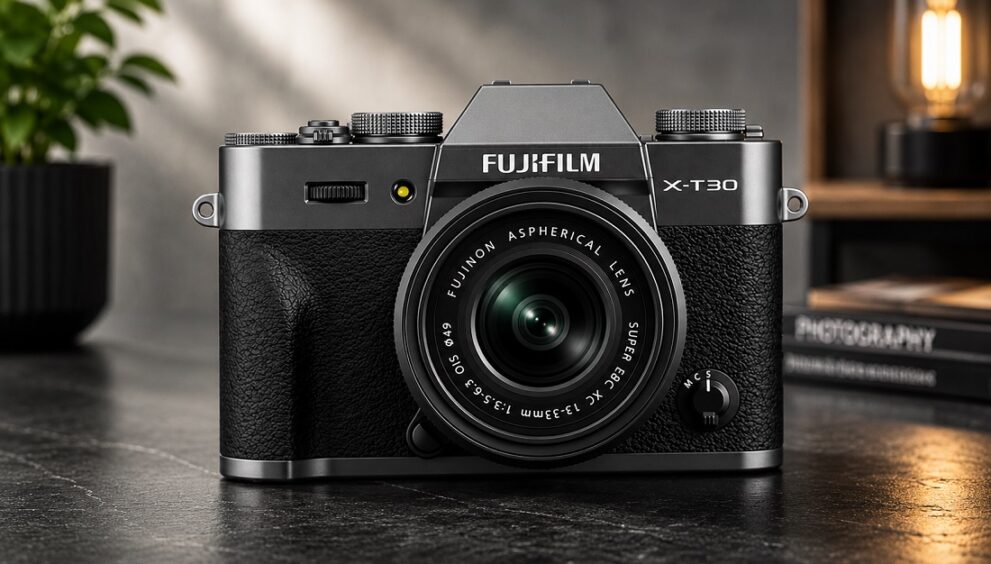
Photography has undergone a remarkable transformation over the past few decades. What once relied entirely on film processing and manual techniques has evolved into a highly advanced and accessible creative medium powered by digital technology. This evolution has changed not only how photographs are captured but also how they are edited, shared, and experienced across the world.
The rise of the digital camera revolutionized modern photography by introducing faster workflows, improved image quality, and greater creative flexibility. From professional studios to everyday travel photography, digital imaging systems have become an essential part of visual storytelling.
The Transition from Film to Digital
Before digital technology became mainstream, photography relied entirely on film-based systems. Photographers had to carefully manage film rolls, exposure settings, and chemical processing to produce images.
Film photography required:
- Manual exposure adjustments
- Physical film development
- Limited image storage per roll
While the film offered a unique visual character, it also presented limitations in terms of speed, convenience, and flexibility.
The introduction of digital imaging technology changed photography dramatically. Instead of recording images on film, cameras began capturing photographs electronically through image sensors.
This innovation allowed photographers to:
- View images instantly
- Store large numbers of photos
- Adjust settings more efficiently
The transition marked the beginning of a completely new era in visual storytelling.
Faster Workflows and Immediate Results
One of the biggest advantages introduced by digital photography was speed. Traditional film workflows often required long waiting periods for development and printing.
Digital systems transformed this process by enabling the following:
- Instant image preview
- Faster editing workflows
- Immediate sharing and storage
Photographers could now review their work instantly and make corrections during shoots rather than waiting until after film processing.
Improvements in Image Quality
Early digital imaging systems initially struggled to match the quality and tonal depth of film photography. However, rapid technological advancements soon improved image sensors, processors, and optics.
Modern cameras now provide the following:
- High-resolution image capture
- Improved dynamic range
- Better low-light performance
- More accurate color reproduction
These improvements have made digital photography suitable for everything from commercial advertising to fine art printing.
The Rise of Compact and Portable Systems
As digital photography evolved, camera manufacturers focused not only on image quality but also on portability and usability.
Traditional professional equipment was often:
- Heavy and bulky
- Difficult to carry for long periods
- Less practical for travel and street photography
Modern systems introduced more compact and lightweight designs without compromising performance.
This shift made photography more accessible for:
- Travel photographers
- Documentary creators
- Everyday enthusiasts
Portability became a major factor influencing camera design and user experience.
The Growth of Mirrorless Technology
One of the most important developments in modern photography has been the rise of mirrorless camera systems.
Unlike traditional DSLR systems, mirrorless cameras remove the optical mirror mechanism, resulting in:
- Smaller camera bodies
- Faster shooting capabilities
- Improved autofocus performance
Mirrorless technology also introduced advanced electronic viewfinders that provide real-time exposure previews and shooting information.
These systems have become increasingly popular among both professionals and enthusiasts because they combine performance with portability.
Advancements in Autofocus Systems
Autofocus technology has improved dramatically over the years. Early systems were often slow and less reliable, particularly in moving or low-light conditions.
Modern autofocus systems now offer:
- Face and eye detection
- Subject tracking
- Fast focus acquisition
- Improved continuous autofocus performance
These features allow photographers to capture sharp images more consistently, even in fast-moving environments.
The Role of Image Stabilization
Image stabilization technology has transformed handheld photography and video recording.
Modern stabilization systems help reduce:
- Camera shake
- Motion blur
- Low-light shooting difficulties
This allows photographers and videographers to work more comfortably without relying heavily on tripods or additional support equipment.
Image stabilization has become particularly valuable for:
- Travel photography
- Documentary work
- Video production
The ability to capture sharper handheld images has improved creative flexibility significantly.
Digital Photography and Video Integration
Modern photography has expanded far beyond still images. Today’s creators often produce both photography and video content as part of their professional work.
This shift has encouraged camera manufacturers to integrate:
- High-resolution video recording
- Advanced video autofocus
- Improved audio and stabilization features
Hybrid camera systems now support multimedia storytelling for social media, advertising, and cinematic production.
Improved Accessibility for Creators
Digital technology has made photography more accessible than ever before.
Previously, professional photography required:
- Expensive film processing
- Specialized darkroom equipment
- Extensive technical knowledge
Digital systems simplified many aspects of the process, allowing more people to learn and experiment with photography.
The Evolution of Sensor Technology
Image sensors remain at the heart of every modern camera system. Over time, sensor technology has improved dramatically in terms of resolution, dynamic range, and sensitivity.
Modern sensors provide:
- Better detail retention
- Enhanced low-light capabilities
- Improved tonal accuracy
These advancements allow photographers to work confidently across a wider variety of lighting conditions and creative styles.
Sensor development continues to shape the future direction of digital imaging technology.
The Role of Fujifilm in Modern Photography
Certain camera systems have gained recognition for balancing advanced imaging technology with creative usability.
The Fujifilm X series has become known for:
- Compact mirrorless design
- Strong image quality
- Color-focused image rendering
- User-friendly shooting experience
These systems have attracted photographers who value both portability and creative flexibility across genres such as travel, street, portrait, and documentary photography.
The popularity of mirrorless systems reflects broader changes in how photographers approach modern workflows and equipment choices.
The Future of Digital Photography
The future of photography will likely continue focusing on:
- Greater portability
- Improved computational imaging
- Enhanced video integration
- Smarter automation tools
At the same time, creativity and storytelling will remain central to the photographic experience.
Why Digital Photography Continues to Grow
The popularity of digital photography continues to expand because it offers:
- Creative flexibility
- Faster workflows
- Improved accessibility
- High-quality image production
Both professionals and enthusiasts benefit from systems that simplify technical processes while supporting artistic expression.
Conclusion
The evolution of photography from film-based systems to advanced digital imaging has transformed the creative world in remarkable ways. Modern technology has improved image quality, workflow efficiency, portability, and creative flexibility, allowing photographers to work across a wide range of styles and environments.
The digital camera has become an essential tool for storytelling, communication, and artistic expression. Advancements in autofocus, image stabilization, sensor technology, and video integration continue to shape the future of photography and content creation.
Systems such as the Fujifilm X series represent how modern camera technology has evolved to balance performance, portability, and creative usability. As digital imaging continues advancing, photographers now have access to tools that support both technical precision and artistic freedom.