
 English


Why Sonoma Is Becoming California’s Favorite Slow Wine Escape

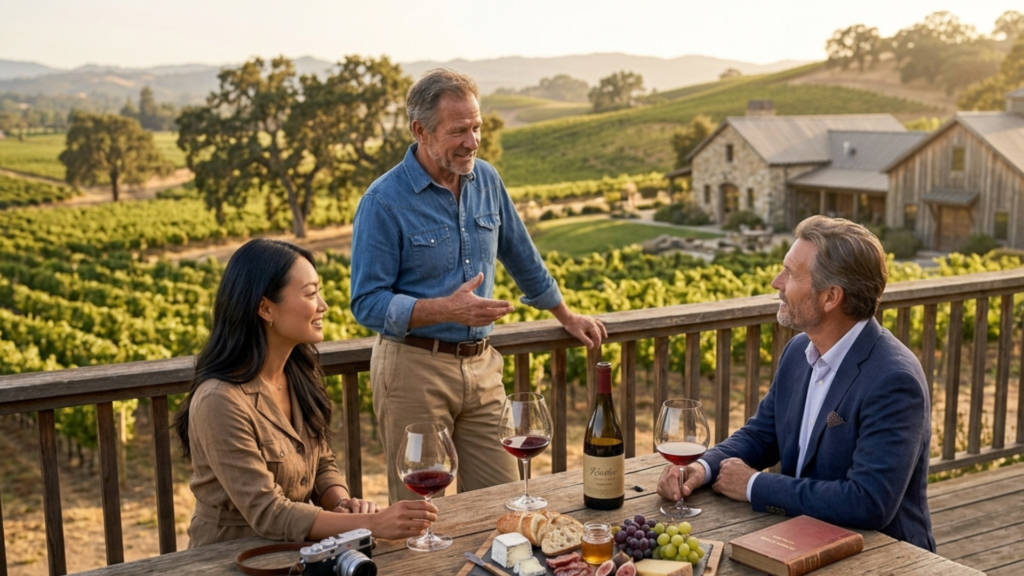
Ask a first-time visitor where they’re planning to taste wine in California, and they’ll probably say Napa. Ask someone who’s been coming back for years, and the answer is often Sonoma. That difference speaks volumes about how wine travel is evolving.
While Napa remains an iconic destination, Sonoma has quietly become the place travelers choose when they want less rushing, fewer crowds, and more meaningful experiences.
Discovering the best wineries in Sonoma is no longer about finding hidden gems—it’s about embracing a region that has always rewarded those willing to slow down.
A Wine Region That Values Authenticity Over Attention
Sonoma County was never built around spectacle. Its identity comes from family-owned vineyards, small production winemaking, and a landscape that stretches across coastal ridges, redwood valleys, and rolling farmland rather than one polished stretch of road. That variety is exactly why Sonoma appeals to travelers who want depth over display.
| Expert tip: Sonoma spans several distinct subregions, including Russian River Valley, Dry Creek Valley, and Sonoma Valley itself. Each produces noticeably different wine, so choosing by grape variety often leads to a better day than choosing by winery name alone. |
Why Every Sonoma Tasting Feels Different
Unlike destinations built primarily around scale, Sonoma’s strongest wineries tend to share a few defining qualities.
- Family involvement across generations, often meaning the person pouring your wine helped grow it
- Smaller production runs, which usually translate into more attentive, less rushed tastings
- A strong connection to place, with many estates farming the same land for decades
- A focus on specific varietals rather than broad, generic wine lists
These traits explain why visitors often describe Sonoma tastings as conversations rather than transactions.
How Sonoma’s Geography Shapes Every Pour
Sonoma’s cooler coastal climate, especially near the Russian River, makes it particularly well suited to Pinot Noir and Chardonnay, while warmer inland pockets like Dry Creek Valley favor bold Zinfandel. Understanding this geography before booking tastings tends to make the entire day feel more intentional.
| Expert tip: If you already know you prefer a lighter, more elegant wine, prioritize wineries near the coast. If you lean toward bold, fruit-forward reds, head slightly inland toward Dry Creek Valley instead. |
A Step-by-Step Approach to Planning Your Visit
- Choose a sub-region first, not a specific winery: Sonoma’s geography shapes flavor more than brand recognition does, so start broad and narrow down from there.
- Mix one established estate with two smaller producers: This balance tends to give visitors both a reliable, classic experience and the kind of personal discovery Sonoma is known for.
- Book ahead, especially on weekends: Many of Sonoma’s best wineries operate by appointment rather than offering walk-in tastings, which helps preserve the region’s quieter atmosphere.
- Pair tastings with a slow lunch: Sonoma’s farm-to-table dining scene is one of the strongest in California, and pairing a meal with a nearby vineyard often deepens the entire experience.
- Leave room for one unplanned stop: Some of the most memorable Sonoma visits happen at a small roadside winery with no formal marketing at all.
A Smarter Way to Explore Sonoma Wine Country
The pace here is deliberate. Fewer crowds mean tasting room hosts have time to actually talk, explain their process, and answer questions most visitors never think to ask elsewhere. That difference, more than any single winery, is what keeps travelers coming back.
| Expert tip: Ask a tasting room host what they personally drink at home. It is one of the fastest ways to find a hidden favorite that never appears on a typical must-visit list. |
What Keeps Wine Lovers Returning Year After Year
Because Sonoma’s strength lies in its smaller, lesser-known producers, generic search results rarely capture what makes the region special. Curated, locally informed guides tend to highlight these smaller estates and seasonal experiences far better than a standard search ever could, making them a useful starting point before booking a trip.
Conclusion
Sonoma’s rise is not about competing with Napa’s polish. It is about offering something increasingly rare in wine travel, a slower, more personal experience built on genuine relationships between land, winemaker, and visitor. For travelers searching for the best wineries in Sonoma, the real reward is not a single standout name, but the region’s overall rhythm, one that rewards curiosity over checklists and conversation over spectacle.