
 English


How to Estimate Import Costs Before Buying at Auction

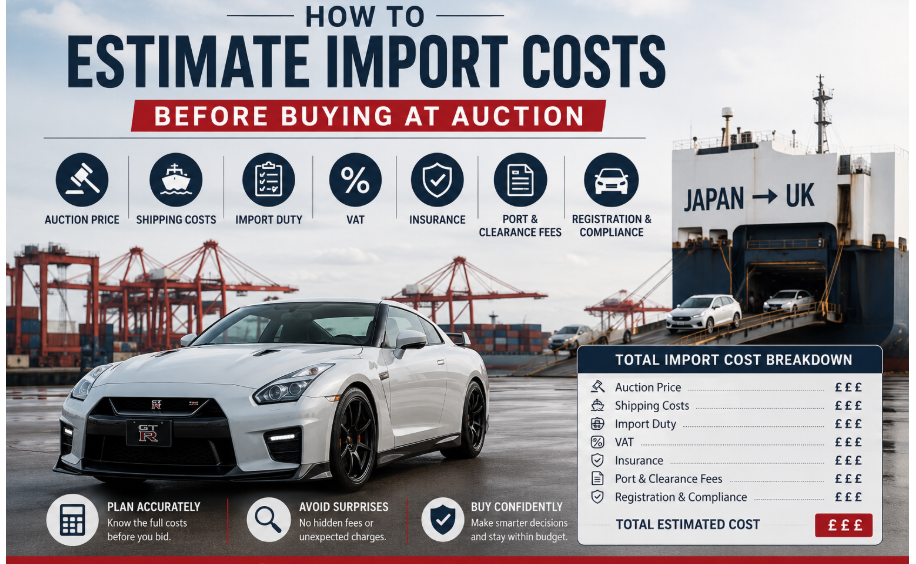
Importing a vehicle from Japan has become an increasingly popular choice for UK buyers looking for reliable, well-maintained cars at competitive prices. Japanese auctions offer an extensive selection of vehicles, from compact hatchbacks to luxury SUVs and performance cars. However, securing a winning bid is only the first step. The real challenge lies in understanding the total cost of importing the vehicle before placing your bid. Without careful planning, what appears to be a bargain can quickly become more expensive than expected. If you are exploring Japanese car auctions in UK, learning how to estimate import costs accurately will help you set a realistic budget, avoid hidden expenses, and make smarter purchasing decisions.
Start with the Auction Price
The auction price is the foundation of your import budget, but it should never be mistaken for the final amount you will pay. While many buyers focus on winning the lowest bid, several additional charges are added immediately after the auction concludes.
These typically include auction house fees, documentation charges, exporter service fees, and inland transportation from the seller’s location to the shipping port. Every auction house has its own pricing structure, so requesting a detailed cost breakdown before bidding is essential. Calculating these expenses in advance ensures you know the vehicle’s true purchase cost rather than relying solely on the hammer price.
Estimate Shipping Costs
Shipping is usually one of the largest expenses when importing a vehicle from Japan. The final shipping cost depends on factors such as the vehicle’s dimensions, weight, departure port, destination in the UK, and the shipping method selected.
Most buyers choose Roll-on/Roll-off (RoRo) shipping because it is generally the most economical option for standard vehicles. Container shipping offers greater protection and is often preferred for luxury, classic, or high-value vehicles, although it comes at a higher price.
Freight rates can also fluctuate throughout the year due to fuel prices, seasonal demand, and shipping capacity. Obtaining an up-to-date shipping quotation before participating in an auction provides a far more accurate estimate of your overall import cost.
Understand Import Duty and VAT
Taxes represent a significant portion of the overall import expense. Every buyer should understand how import duty and Value Added Tax (VAT) affect the total landed cost of a vehicle.
Import duty is calculated according to current UK regulations and depends on factors such as the vehicle type, age, and applicable trade rules. Once import duty has been applied, VAT is generally calculated on the combined value of the vehicle, shipping charges, duty, and certain additional costs.
Because tax regulations can change, buyers should always verify the latest rates before making a purchase. Including these charges in your budget from the beginning prevents unpleasant financial surprises once the vehicle arrives in the UK.
Include Marine Insurance
Although marine insurance is often optional, it is highly recommended for anyone importing a vehicle internationally. During ocean transport, vehicles are exposed to various risks, including severe weather, loading accidents, theft, or transit damage.
Marine insurance usually costs only a small percentage of the vehicle’s value but can provide substantial financial protection if something unexpected occurs. When estimating your import costs, it is wise to treat insurance as an essential expense rather than an optional extra.
Account for UK Port Charges
Once your vehicle reaches the UK, several additional charges will apply before you can collect it. Many first-time importers underestimate these local expenses, which can quickly increase the final bill.
Common port-related costs include customs clearance fees, port handling charges, storage fees, documentation processing, and vehicle release costs. If paperwork is delayed or collection is postponed, daily storage charges may also apply.
Factoring these expenses into your budget ensures that your cost estimate remains realistic and complete.
Registration and Compliance Costs
Imported vehicles must comply with UK road regulations before they can be legally driven. Depending on the vehicle’s specifications, some modifications may be required to meet local standards.
Typical expenses include DVLA registration fees, MOT testing, road tax, number plates, and compliance inspections. Some Japanese imports may also require adjustments such as speedometer conversions, rear fog lights, or lighting modifications.
Although these changes are often relatively minor, they should never be overlooked when calculating the total import cost.
Consider Currency Exchange Rates
Most Japanese auction purchases are completed in Japanese Yen, while UK buyers usually budget in Pounds Sterling. Currency exchange rates can fluctuate daily, and even small changes may have a noticeable impact on your final payment.
Monitoring exchange rates before transferring funds can help reduce unnecessary costs. Some buyers also use specialist foreign exchange providers to secure more competitive rates than traditional banks.
Adding a small allowance for currency fluctuations to your budget provides additional financial security.
Set Aside a Contingency Budget
Even the most carefully planned import can involve unexpected expenses. Mechanical repairs, replacement tyres, battery changes, professional cleaning, inspection fees, or shipping delays can all increase the overall cost.
Experienced importers often reserve around 10% of their estimated budget as a contingency fund. Having this financial buffer allows you to handle unforeseen issues without disrupting your overall investment plan.
Preparing for unexpected costs is a practical approach that reduces stress and helps ensure a smoother importing experience.
Compare Vehicles Beyond Their Auction Price
A lower auction price does not always represent the best value. Two vehicles with similar specifications may have significantly different ownership costs depending on their condition and history.
Before bidding, compare factors such as auction grade, mileage, maintenance records, accident history, repair notes, and expected servicing requirements. A slightly more expensive vehicle in excellent condition may prove far more economical than a cheaper example requiring immediate repairs.
Many of the Top Japanese used cars in the UK have earned their reputation because they combine excellent reliability, lower maintenance costs, and strong resale value. Looking beyond the initial purchase price helps buyers make more informed long-term decisions.
Calculate the Total Landed Cost
Professional importers rarely bid without first calculating the complete landed cost. This figure represents the total amount required to purchase, transport, import, register, and prepare the vehicle for use in the UK.
A typical landed cost calculation includes the auction price, auction fees, inland transport, shipping, marine insurance, import duty, VAT, customs clearance, port handling, registration, compliance work, and any anticipated maintenance.
Knowing this total before entering an auction allows you to establish a clear maximum bid and prevents emotional bidding that could exceed your budget.
Conclusion
Importing a vehicle from Japan can be an excellent investment when approached with careful planning and realistic budgeting. While attractive auction prices often capture buyers’ attention, the true cost extends well beyond the winning bid. Shipping, taxes, insurance, registration, compliance work, and unexpected expenses all contribute to the final amount you will pay.
By carefully estimating every stage of the importing process before participating in Japanese car auctions in UK, buyers can avoid hidden costs and purchase with confidence. Evaluating the Top Japanese used cars in the UK based on total ownership costs rather than auction prices alone leads to better financial decisions and a more rewarding import experience. With thorough preparation and accurate cost calculations, you can enjoy the benefits of importing a quality Japanese vehicle while staying comfortably within your budget.