
 English


Understanding PAN Full Form: A Comprehensive Guide with Real-World Financial and Tax Examples

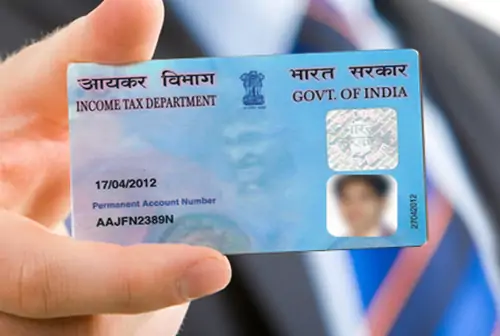
In today’s rapidly evolving financial landscape, understanding the intricacies of taxation and personal finance is critical. One of the most essential components in this realm is the Permanent Account Number (PAN) in India. This article delves into the PAN full form, its importance, and real-world applications, enriching readers with practical insights into financial management and tax obligations.
What is PAN? The Full Form Explained
The full form of PAN is Permanent Account Number. It is a ten-digit alphanumeric identifier issued by the Income Tax Department of India. Understanding the pan full form helps clarify its role as a unique financial identifier. While originally designed as a means to track taxable income, the PAN plays a vital role in various financial transactions, ensuring transparency and accountability in the financial ecosystem.
Importance of PAN
- Tax Identification: The PAN acts as a unique identifier for Indian taxpayers, requiring everyone earning an income to possess one. It helps the government efficiently track tax payments and the financial history of individuals.
- Financial Transactions: PAN is required for various financial activities, including opening bank accounts, buying or selling property, and investments in mutual funds and stocks. It serves as a verification tool, ensuring that transactions are legitimate and traceable.
- Filing Income Tax Returns (ITR): Every individual filing their income tax return must have a PAN. It allows the government to link tax payments to the respective taxpayer, simplifying taxation and improving compliance.
- Preventing Tax Evasion: By linking financial transactions to a unique PAN, the Income Tax Department can monitor high-value transactions and ensure that individuals report their income accurately, thereby reducing tax evasion.
Real-World Financial and Tax Applications of PAN
Understanding the applications of PAN in real-world scenarios can provide deeper insights into its significance:
1. Opening a Bank Account
To open a bank account in India, financial institutions require you to provide your PAN. This requirement assists the bank in identifying the account holder and prevents illicit activities such as money laundering. For instance, if you intend to open a savings or current account, you’ll be required to furnish your PAN along with other identification documents.
2. Investments in Mutual Funds
When investing in mutual funds, providing a PAN is mandatory. This regulation is in place to ensure that the funds are managed in a transparent manner. For example, if an individual plans to invest ₹50,000 in a mutual fund, the financial institution will need the PAN to track the investment and guarantee that taxes are appropriately deducted during transactions.
3. Filing Income Tax Returns (ITR)
As discussed earlier, PAN is essential for filing income tax returns in India. For example, consider an individual who earns an annual salary of ₹10 lakh. To submit their tax return and calculate liabilities or refunds, they must quote their PAN. Failure to do so may lead to delays in processing their returns and potential penalties.
4. Property Transactions
When buying or selling real estate, providing your PAN is necessary. The PAN helps track the transaction and is essential for calculating any capital gains tax that may apply. For instance, if a property is sold for ₹75 lakh, the PAN allows the Income Tax Department to ensure that the seller reports the income accurately and pays any applicable taxes on it.
5. High-Value Transactions
Any transaction exceeding ₹2 lakh, whether it be the buying of gold, jewelry, or other high-value items, requires the quoting of a PAN. This regulation helps the government monitor significant expenditures and prevents money laundering scenarios. For instance, purchasing a luxury car priced at ₹20 lakh necessitates the buyer to provide their PAN.
6. Loan Applications
When applying for loans, whether personal, home, or vehicle loans, the lender requires your PAN as part of the application process. This requirement helps to authenticate the borrower’s financial history and assess creditworthiness. For example, if a person wants to take out a home loan of ₹50 lakh, a bank or financial institution such as Bajaj Finance will use the PAN to evaluate their financial history and repayment capacity.
7. Tax Deductions at Source (TDS)
For salaried individuals, TDS is deducted from the salary before disbursement, and the employer needs the employee’s PAN to do this. If you are working for a company and earn monthly income, providing your PAN ensures that your tax is calculated and deducted accurately, avoiding under or overpayment of taxes.
How to Check PAN Validity
With the growing importance of PAN in financial transactions, it is essential for individuals to ensure that their PAN is valid. Thankfully, the Income Tax Department of India offers facilities to check PAN validity. Here’s how you can do it:
1. Online Verification
- Visit the official PAN verification website.
- Navigate to the ‘Services’ section.
- Select ‘Verify PAN’.
- Enter the details required, including your PAN, and submit the form. The system will then display the validity of the PAN.
2. Using Mobile Apps
Many mobile applications also offer features to verify PAN. By downloading certified financial apps, individuals can easily check the status of their PAN without visiting government sites.
3. Contacting the Tax Office
For those preferring personal interaction, visiting the local Income Tax office and providing your PAN for verification is an option. The officials will assist in confirming its validity.
Common Myths Related to PAN
Despite widespread knowledge, several myths about PAN still exist:
Myth 1: PAN is only for Taxpayers
Reality: While PAN is primarily linked to tax identification, it is necessary for various financial transactions, making it vital even for those who may not file tax returns regularly.
Myth 2: Only Individuals Need PAN
Reality: Companies, firms, partnerships, and even trusts require PAN for conducting business activities.
Myth 3: Once Acquired, PAN Never Changes
Reality: If there are changes in personal details, such as name or marital status, the PAN must be updated through the prescribed process.
Conclusion
Understanding the full form of PAN, its importance, and real-world applications is vital for effective financial management in India. Whether you are an individual taxpayer, a business entity, or someone looking to engage in significant financial transactions, recognizing the relevance of your PAN can protect you from legal ramifications, enhance transaction security, and simplify your tax obligations.
With the rise of digital transactions and an increasing focus on financial accountability, possessing and effectively using a valid PAN has never been more important.
By keeping informed and utilizing your PAN wisely, you not only comply with legal requirements but also empower yourself with better financial literacy. So, if you haven’t checked your PAN validity recently, consider doing so—it’s an essential step towards responsible financial management.