
 English


What to Measure Before Choosing a Rug for a Large Room

What to Measure Before Choosing a Rug for a Large Room
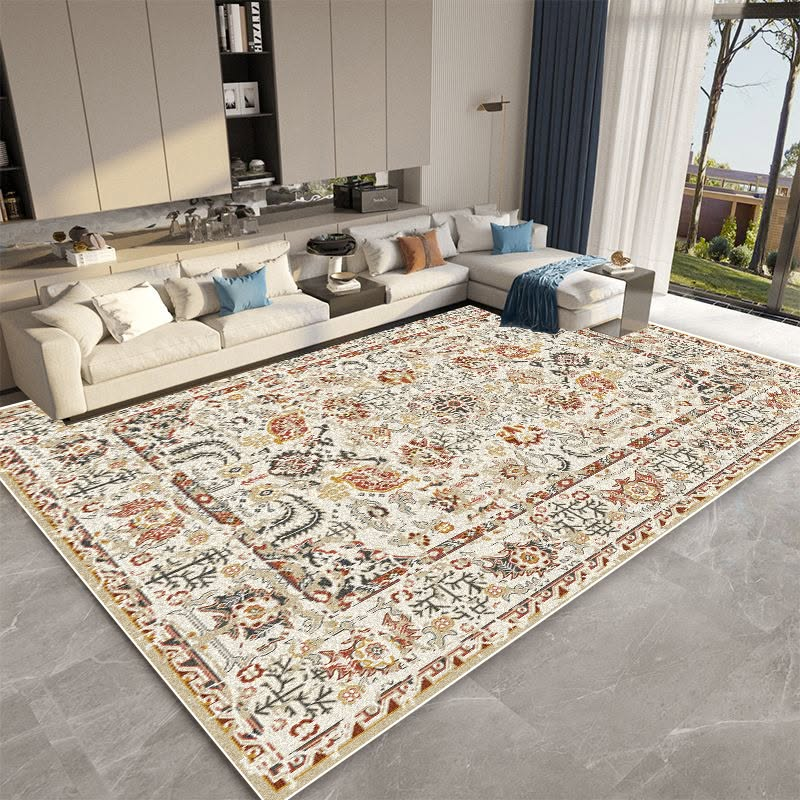
Choosing a rug for a large room may seem easier because there is more floor space, but bigger rooms create their own challenges. A rug can still be too small for the furniture, too large for doors and vents, or poorly positioned within the room. Accurate measurements help prevent these problems.The process should include more than wall-to-wall dimensions. Furniture placement, walking paths, architectural features, and delivery access all influence the final choice. A simple measurement sheet can make shopping more focused and reduce expensive sizing mistakes.
Record the Complete Room Dimensions
Measure the length and width of the room at several points, especially in older homes where walls may not be perfectly even. Note alcoves, angled walls, bay windows, columns, and built-in features. Draw a basic floor plan and add every measurement.
Before you buy 12×15 rug online, mark a twelve-foot by fifteen-foot outline on the floor. Large dimensions are difficult to picture accurately, even when you know the room size.
Painter’s tape works well because it shows the planned edges without covering the floor. Leave it in place long enough to experience normal movement through the room.
Measure the Furniture Footprint
Measure the complete seating group rather than each piece separately. Include the sofa, sectional, chairs, coffee table, and the spaces between them. Record the maximum width and length of the arrangement.Decide whether all furniture legs will sit on the rug or only the front legs. An all-legs-on layout needs enough rug to extend behind the furniture, while a front-legs arrangement can use less depth. Write down the amount of rug you want visible beyond the furniture.
Do not forget movable pieces. Recliners need room to open, swivel chairs need turning space, and lightweight chairs may shift during conversation. Measure them in the positions they use, not only when neatly arranged.
Check Every Door and Walkway
Measure the distance from the seating area to doors, hallways, stairs, and adjacent rooms. A large rug should define the furniture zone without blocking natural movement. Its edges should not create narrow strips in heavily used paths.
Check the direction in which each door opens and measure the gap beneath it. Thick pile may prevent a low door from moving freely. Entry doors also bring moisture and dirt, so placing a valuable rug too close may increase maintenance.
Walk the taped layout as though the rug were already there. Notice where you step on and off the outline. If one corner receives constant turning traffic, consider moving or rotating the rug.
Locate Floor Vents and Heating Features
Record the exact position of floor vents, electrical outlets, radiators, and fireplace hearths. A rug should not cover ventilation or sit too close to heat sources. These fixed elements often determine the maximum practical size.Also consider floor outlets used for lamps or powered furniture. Make sure cords can be managed safely without creating raised paths beneath the rug. Do not place a rug over wiring arrangements that are not designed for that use.
If a fireplace anchors the seating, measure the clearance between the hearth and planned rug edge. Follow the appropriate safety requirements for the fireplace type rather than relying only on appearance.
Measure Visible Flooring Borders
A large rug normally looks more balanced when some flooring remains visible around it. Measure the proposed border between each rug edge and the nearest wall or fixed feature. The borders do not need to match perfectly, but major differences should have a reason. In open-concept spaces, measure the flooring gap between the living rug and dining area. This gap helps separate the zones and creates a clear walkway. If another rug is nearby, record the distance between the two.
View the taped border from the main entrance and seating positions. The most visible sides may deserve more visual balance than areas hidden behind furniture.
Consider Rug Orientation
The longer side of a rug often follows the longest wall, main sofa, or overall direction of the room. However, a different orientation may work when the furniture faces a fireplace, media wall, or window view. Measure and tape both directions when uncertain. Turning a 12×15 rug changes which pathways it reaches and how much furniture it supports. A room that is wide but shallow may need the fifteen-foot side across the seating. A long room may benefit from running it lengthwise.
Do not choose orientation only to fill the open floor. It should reinforce the furniture arrangement and focal point.
Plan for Dining Chairs When Relevant
Large rooms may combine living and dining functions. If the rug will sit beneath a dining table, measure the table with every chair pulled out to a normal sitting position. The chair legs should remain on the rug throughout regular movement. Account for extension leaves. A rug that fits the everyday table may become too small during gatherings. Decide whether the rug must support the table at full length or only in its usual form.
Measure pathways behind occupied chairs as well. Guests should be able to walk around the table without pressing against walls or stepping immediately off the rug into a narrow gap.
Check Access for Delivery and Installation
A large rug is flexible, but it can still be heavy and difficult to move. Measure doors, stairways, elevators, and sharp hallway turns along the delivery route. Decide where the rug can be unrolled and how furniture will be moved. Clear the area before delivery when possible. Dust and clean the floor, inspect for anything that could damage the rug, and place the rug pad first. Having a plan prevents a large rolled rug from becoming trapped behind heavy furniture.
Confirm whether the rug can be rotated later for maintenance. Very heavy furniture may make regular rotation difficult, so placement and exposure to sunlight deserve extra attention at the beginning.
Keep Product Information With Your Measurements
When using a rug shop, compare exact dimensions rather than relying solely on the size category. Keep notes about acceptable pile height, material, color range, and care requirements alongside the room measurements. Review close-up photos and construction details. A very thick rug occupies the same floor area as a low-pile rug but may affect doors, chairs, and transitions differently. Product weight may also influence moving and cleaning.
A saved floor plan and room photo can help you compare options consistently. This is more useful than trying to remember dimensions while browsing many designs.
Final Thoughts
Accurate large-room rug planning includes the room, furniture, paths, doors, vents, focal points, and delivery route. Measuring these details takes more time than recording wall dimensions, but it provides a much clearer picture of what will work.
Mark the rug outline and live with it briefly before buying. A well-measured rug will support the furniture and movement of the room while preserving the open space that makes a large room appealing.