
 English


Emergency Dental Care in Coventry: What to Do When You Have a Dental Problem

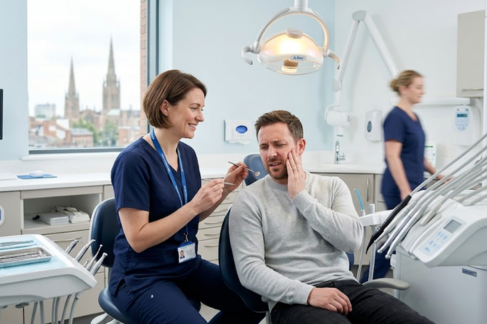
Dental problems can happen when you least expect them. A sudden toothache, broken tooth, swelling, or dental injury can cause severe pain and make it difficult to eat, sleep, or carry out your daily activities.
Knowing what to do during a dental emergency can help you stay calm and get the right treatment quickly. If you need dental care in Coventry, understanding common dental emergencies and when to seek urgent help can make a stressful situation easier to manage.
What Is a Dental Emergency?
A dental emergency is a problem that needs prompt attention from a dentist. Delaying treatment can sometimes make the problem worse or increase the risk of infection and further damage.
Common dental emergencies include:
- Severe or persistent toothache
- A broken or cracked tooth
- A knocked-out tooth
- A dental abscess
- Swelling around the mouth or face
- Uncontrolled bleeding
- A loose or damaged filling or crown
- Dental injuries caused by an accident
If you are experiencing severe pain or significant swelling, it is important to contact a dentist as soon as possible.
Severe Toothache
A sudden or severe toothache is one of the most common reasons people need urgent dental care. Tooth pain can have several causes, including tooth decay, infection, a cracked tooth, or gum problems.
If your toothache is severe, does not go away, or is affecting your sleep and daily activities, arrange an urgent dental appointment.
While waiting to see a dentist, you can:
- Take suitable pain relief according to the instructions.
- Eat soft foods and chew on the opposite side.
- Avoid very hot, cold, sweet, or hard foods.
- Keep your mouth clean by gently brushing your teeth.
Pain relief may temporarily make you feel better, but it does not treat the underlying dental problem. A dentist will need to identify and treat the cause.
Dental Abscess and Facial Swelling
A dental abscess is an infection that can develop around a tooth or in the gums. It can cause severe pain, swelling, a bad taste in the mouth, and sensitivity.
An abscess should not be ignored. Dental infections can become more serious if they are left untreated.
If you notice swelling around your tooth, gum, cheek, or jaw, contact a dentist promptly. Do not try to squeeze or drain the abscess yourself.
A dentist can examine the affected area and recommend the appropriate treatment based on the cause and severity of the infection.
What to Do If You Break or Crack a Tooth
A tooth can break or crack because of an accident, biting something hard, tooth decay, or general wear and tear.
Even if the broken tooth is not causing much pain, it is worth having it checked. A crack can sometimes expose the inner part of the tooth and increase the risk of infection.
If a piece of your tooth has broken off, keep it safe and take it with you to your dental appointment. Depending on the damage, your dentist may recommend a filling, bonding, crown, or another treatment.
Until you receive dental care, avoid chewing on the damaged tooth.
What to Do If a Tooth Is Knocked Out
A knocked-out permanent tooth is a dental emergency and requires prompt attention.
If the tooth is clean, hold it carefully by the crown rather than the root. Avoid touching or scrubbing the root. If possible, gently place the tooth back into its socket. If you cannot do this, keep it moist in milk or another suitable solution and seek urgent dental care.
Acting quickly can improve the chances of saving the tooth.
A knocked-out baby tooth should not usually be placed back into the socket because this can damage the developing permanent tooth. However, the child should still be assessed by a dentist.
Dental Injuries and Bleeding
Accidents can cause injuries to the teeth, gums, lips, and jaw. This can happen during sports, falls, road accidents, or other incidents.
If your mouth is bleeding, apply gentle pressure with clean gauze or a clean cloth. If the bleeding continues or the injury is serious, seek urgent medical or dental attention.
A dentist can check for damage that may not be immediately visible, such as cracks, loosened teeth, or injuries to the surrounding tissues.
How to Get Emergency Dental Care in Coventry
When you have a dental emergency, contact your usual dental practice first. Explain your symptoms clearly and tell them how severe the pain or swelling is.
Many dental practices can provide urgent appointments for patients experiencing dental emergencies. If you do not have a regular dentist or cannot get an appointment, you can seek advice about available urgent dental services.
When contacting a dental practice, be ready to explain:
- What happened
- When the problem started
- Where the pain is located
- Whether you have swelling
- Whether a tooth has broken or fallen out
- Whether you have bleeding or other symptoms
Providing this information can help the dental team understand how urgently you need to be seen.
How to Prevent Dental Emergencies
Not every dental emergency can be prevented, but good oral care can reduce your risk of developing common dental problems.
Brush your teeth twice a day with fluoride toothpaste and clean between your teeth regularly. Regular dental check-ups can also help identify problems such as tooth decay and gum disease before they become more serious.
Avoid chewing very hard objects or using your teeth to open packaging. If you take part in contact sports, wearing a properly fitted mouthguard can help protect your teeth from injury.
Get Help When You Need It
A dental emergency can be painful and worrying, but getting professional help quickly can prevent the problem from becoming more serious.
Whether you have a severe toothache, a broken tooth, swelling, an abscess, or a knocked-out tooth, do not ignore the symptoms. Contact a dentist as soon as possible and explain your situation.
For people looking for dental care in Coventry, having access to a dental practice that can provide prompt advice and appropriate treatment can give you peace of mind when an unexpected dental problem occurs.