 English
Common Mistakes to Avoid When Installing Fixed Aluminium Louvres

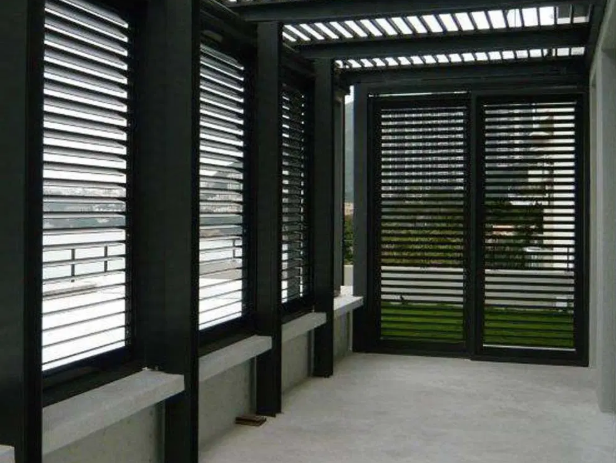
Adding permanent metal shade systems upgrades your property’s exterior style, sun protection, and privacy level. Installing high grade fixed aluminium louvres creates a sleek architectural feature while blocking harsh solar glare. However, poor installation planning leads to water leaks, poor airflow, and expensive repair bills.
Avoiding common installation errors ensures your investment delivers long-term durability and structural safety.
Inaccurate Measuring and Layout Planning
Skipping precise site measurements causes major fitment issues during structural framing assembly.
- Ignoring Wall Angles: Unlevel exterior walls create unsightly gaps around your frame perimeter.
- Incorrect Blade Spacing: Spacing blades too far apart reduces shade and privacy performance.
- Forgetting Structural Clearance: Tight spacing prevents smooth air circulation through adjacent windows.
Taking accurate site dimensions prevents costly custom manufacturing adjustments during installation.
Selecting the Wrong Blade Pitch and Orientation
Blade angle determines how effectively your system handles seasonal sun angles and strong wind.
- Fixed Angle Errors: Setting blades incorrectly blocks winter light while letting in summer glare.
- Ignoring Wind Direction: Facing blades directly into prevailing storms forces rainwater into window frames.
- Poor Privacy Angle: Mounting blades flat allows clear view lines into private interior rooms.
Planning your blade pitch based on your home’s orientation maximises energy efficiency.
Common Installation Pitfalls
Reviewing typical installation mistakes helps you avoid structural issues and performance failures.
| Installation Mistake | Immediate Problem | Long-Term Impact |
| Using Standard Screws | Galvanic corrosion around holes | Structural weakening & rust stains |
| Poor Sealing Setup | Water leaks behind flashing | Rotting wall frames & internal water damage |
| Weak Anchorage | Frame movement in strong winds | Structural failure during severe storms |
| Ignoring Drainage | Water pooling on frame edges | Stained metal finishes & corrosion |
Skipping Proper Weatherproofing and Sealants
Exposed fasteners and improper flashing application invite water penetration behind cladding walls.
- Inadequate Flashing: Missing head flashings let heavy downpours seep directly into timber wall frames.
- Using Cheap Sealants: Low-grade silicones crack under intense sun exposure, causing persistent water leaks.
- Unsealed Drill Holes: Fastener holes without rubber washers allow moisture to attack internal framing.
Quality waterproofing practices protect your home structure from expensive rot and mould damage.
Neglecting Fastener Quality and Metal Compatibility
Mixing incompatible metals triggers rapid galvanic corrosion, ruining your powder-coated metal finish.
- Incorrect Screws: Standard steel screws react with aluminium frames, causing metal degradation.
- Stainless Steel Selection: Always use 316-grade stainless steel fasteners for marine environments.
- Overtightening Bolts: Crushing mounting brackets distorts the protective surface coating.
Using approved isolation washers and marine-grade hardware preserves your frame’s long-term strength.
Integrating Louvres with Outdoor Structures
Homeowners often pair permanent louvre panels with larger outdoor entertaining spaces for enhanced lifestyle comfort. Building modern pergolas with roof covers creates a complete, functional outdoor room fully shielded from heavy rain and summer heat.
Adding side louvre screens directly to covered timber or metal frames blocks harsh afternoon sun glare while maintaining natural cross-breezes. Custom fixed aluminium louvres mount seamlessly between structural posts to create private side walls, delivering a stylish, weatherproof entertaining zone.
Failure to Check Local Building Codes
Installing large exterior metal fixtures without verifying council rules creates serious legal compliance risks.
- Boundary Setback Limits: Mounting panels too close to property lines violates local planning regulations.
- Wind Load Compliance: Ignoring local wind zone ratings risks structural failure in storm conditions.
- Heritage Restrictions: Modern metal fixtures may violate historic neighbourhood aesthetic guidelines.
Consulting local council requirements early prevents costly tear-downs and fine notices.
Poor Surface Maintenance After Installation
Even low-maintenance metal systems require basic post-installation care to maintain their clean appearance.
- Leaving Construction Debris: Metal dust and mortar splatter stain fresh powder-coat finishes permanently.
- Skipping Regular Washes: Salt spray and dirt accumulation degrade protective outer coatings over time.
- Using Abrasive Cleaners: Harsh chemical cleaners scratch smooth painted surfaces, exposing bare metal.
Washing your frames with warm soapy water preserves their vibrant finish for decades.
Conclusion
Installing fixed aluminium louvres correctly enhances your home’s thermal efficiency, security, and curb appeal. Double-checking measurements, choosing correct fasteners, and sealing frame joints prevents common structural failures. Combining side louvres with fully covered pergolas delivers an inviting, weatherproof outdoor living zone. Investing in professional installation practices guarantees your architectural upgrade remains safe, functional, and visually stunning.