
 English


What Role Does Mechanical Engineering Play in Medical Device Design?

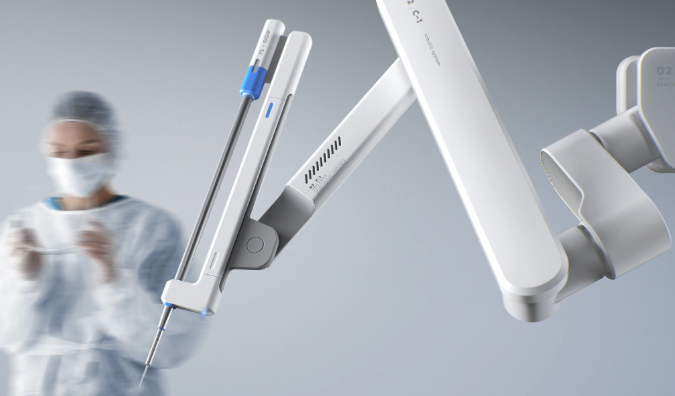
Mechanical engineering plays an essential role in transforming medical device concepts into functional, reliable, and manufacturable products. Every device requires careful attention to its structure, materials, components, and usability to meet its intended purpose. Working with a medical device design company helps connect healthcare requirements with practical engineering solutions.
From developing initial concepts and creating CAD models to testing prototypes and preparing designs for manufacturing, mechanical engineering supports informed decisions throughout product development. This process helps teams address technical challenges while prioritising functionality, durability, and user needs.
Understanding the Device’s Purpose
Engineering begins by defining what the device needs to do, who will use it, and where it will operate. A handheld diagnostic tool, a patient monitor, and a mobility aid have different requirements. Designers must understand the expected tasks, handling conditions, cleaning routines, storage needs, and any space limitations. Clear requirements help the team make informed decisions instead of relying on assumptions.
This planning brings together designers, engineers, healthcare professionals, and manufacturers. Their input clarifies practical challenges, such as reaching controls while wearing gloves or moving a device between rooms. A shared brief guides later decisions.
Turning Concepts into Functional Structures
Industrial design shapes a product’s appearance and user experience, while mechanical engineering determines how its physical parts work together. Engineers consider the enclosure, joints, fasteners, hinges, mounting features, moving parts, and internal supports. They also plan how components will be assembled and how the structure will protect sensitive elements during normal handling.
A portable device, for example, needs room for its display, battery, connectors, and internal components. Engineers review dimensions and clearances to prevent clashes, while considering how the casing opens for servicing. This coordination keeps the product practical as well as attractive.
Choosing Suitable Materials
Material selection affects durability, weight, grip, cleaning compatibility, and manufacturing methods. The decision depends on intended use, contact with people, cleaning agents, operating conditions, and expected service life.
Engineers compare strength, stiffness, impact resistance, and wear, while checking whether a material can be moulded or machined to the required dimensions. For clinical devices, cleaning and disinfection requirements also matter. Technical and regulatory specialists should inform material decisions rather than appearance alone.
Improving Ergonomics and Usability
A medical device should be manageable for the people expected to use it. Nurses, clinicians, technicians, patients, and caregivers may interact with the same product in different ways. Mechanical design influences grip size, balance, weight distribution, handle shape, button placement, and access to serviceable parts.
Good ergonomics can make repeated tasks more comfortable and handling more consistent. A handheld instrument should feel manageable during extended use, while a wheeled unit should remain stable and manoeuvrable. Prototypes and representative user feedback help identify needed refinements. Usability must also be assessed within the wider safety and validation process.
Using CAD Modelling and Prototyping
Computer-aided design (CAD) lets engineers build detailed three-dimensional models before making parts. Models show dimensions, component positions, assembly relationships, and clearances, helping teams review the design and identify interference early.
Prototypes then bring the digital design into the physical world. A model can help reviewers assess size, shape, grip, fit, access, and assembly sequence. Depending on the purpose, prototypes may be produced using 3D printing or other suitable methods. Feedback from each iteration can guide adjustments before the team invests in production tooling. However, a prototype alone does not prove clinical effectiveness, regulatory compliance, or safety. Appropriate testing and formal verification remain necessary.
Considering Reliability and Risk
Medical devices may be handled repeatedly, transported, cleaned, or used in demanding environments. Engineers consider likely forces, including impact, vibration, loading, wear, and accidental drops. Reviews and tests help determine whether the structure performs as intended.
Risk management should continue throughout development. Teams identify possible failures, assess consequences, and consider design changes or protective features. A loose cover might expose components, while an unstable support could affect handling. Measures depend on intended use. Engineering contributes to risk reduction but does not replace required quality, clinical, or regulatory processes.
Designing for Manufacturing and Assembly
A design that works as a prototype may still be difficult or costly to manufacture consistently. Design for manufacturing considers production methods, tooling limits, material availability, tolerances, assembly steps, and quality requirements while the design can still be changed. Engineers aim to avoid unnecessary complexity without compromising intended function.
Design for assembly matters too. Parts should fit predictably and have clear instructions. Standardising suitable components and reducing unnecessary variations can simplify sourcing. CAD files, drawings, material specifications, and assembly documents help reproduce the approved design. Supplier discussions can reveal constraints early.
Working Across Design Disciplines
Medical product development requires collaboration. Mechanical engineering works alongside industrial design, electronics, software, human factors, quality, and regulatory specialists where relevant. Product design companies can help coordinate these perspectives so that the external form, internal layout, user interaction, and manufacturing approach support the same objectives.
Moving a connector may improve access but affect the enclosure, circuit layout, sealing, or assembly. Design reviews help teams assess these trade-offs, while clear records reduce confusion as the project progresses.
Preparing for Verification and Production
Before production, teams review whether the design meets defined requirements. Verification may examine dimensions, strength, fit, movement, durability, and cleaning compatibility. Qualified teams should plan and conduct tests using appropriate methods.
Engineers then refine the documentation and production details based on the review findings. This may include updating CAD models, drawings, tolerances, component specifications, and assembly instructions. Manufacturing readiness depends on coordination across engineering, quality, suppliers, and regulatory specialists. No single design stage guarantees approval, so teams must follow the applicable standards and regulatory pathway for the device and market.
Conclusion
Mechanical engineering connects a medical device’s intended purpose with the physical features that make it functional, durable, and manufacturable. From material selection and ergonomic design to CAD modelling, prototyping, risk evaluation, and production planning, every stage influences product development. Partnering with a medical device design company helps integrate design and engineering expertise, supporting practical solutions that meet defined requirements through careful testing and manufacturing preparation.
By combining creative thinking with technical expertise, Studio701 helps businesses navigate complex product development challenges. Studio701 brings industrial design, mechanical engineering, CAD modelling, prototyping, and production support together to help businesses develop practical, manufacturable products. Its team considers user needs, materials, product structure, and manufacturing feasibility throughout development. For medical device projects, this integrated approach can support concept refinement, prototype evaluation, detailed design, and preparation for production, while appropriate testing and regulatory expertise remain essential for each project.