
 English

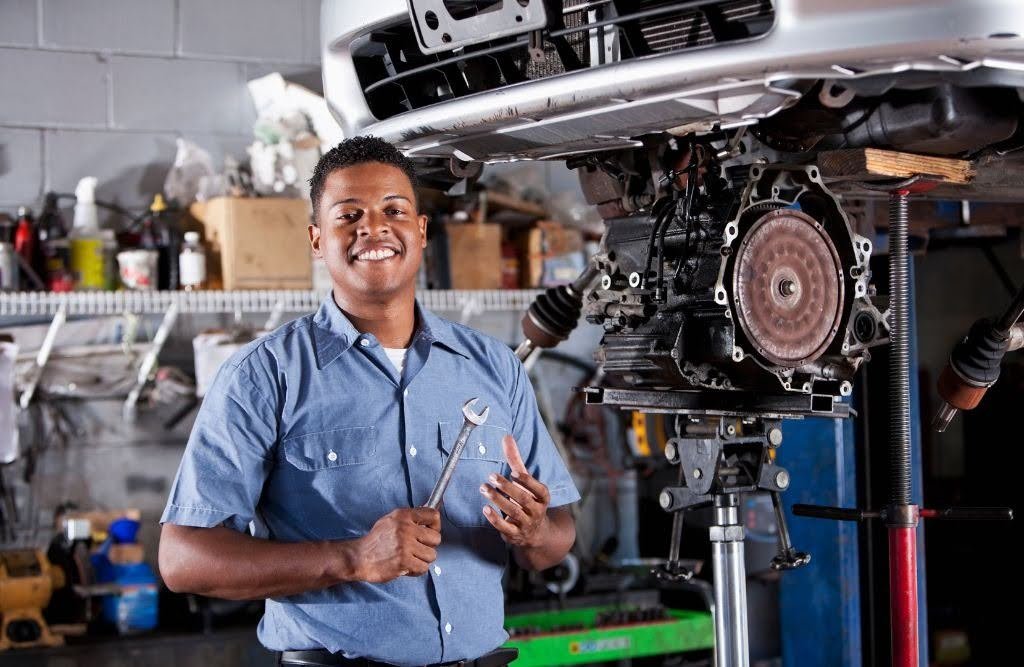
Expert Auto Transmission Specialist for Automatic Gearbox Servicing

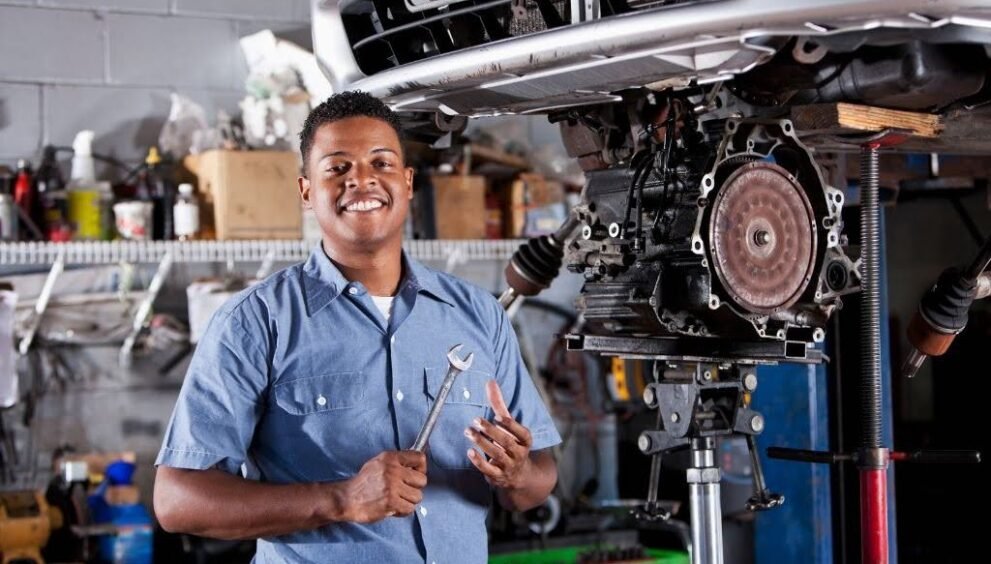
Automatic transmissions make driving easier, smoother, and more comfortable. Whether you are commuting through busy city streets or travelling long distances, a properly functioning gearbox helps your vehicle change gears efficiently and deliver a better driving experience. However, like any mechanical component, an automatic transmission requires regular maintenance, proper diagnosis, and timely repairs to remain reliable.
When your vehicle starts experiencing delayed gear changes, unusual noises, fluid leaks, or slipping gears, seeking professional assistance is essential. An experienced auto transmission specialist can identify the underlying problem, recommend suitable repairs, and help prevent minor faults from becoming expensive mechanical issues.
Understanding how automatic gearbox servicing works and knowing when to seek professional help can save you time, money, and unnecessary stress.
Understanding Automatic Transmission Systems
An automatic transmission transfers engine power to the wheels while changing gears automatically according to driving conditions. Unlike a manual gearbox, it does not require the driver to operate a clutch pedal or select every gear manually.
Modern automatic transmissions use sophisticated mechanical, hydraulic, and electronic components to provide smooth acceleration and efficient power delivery. Depending on the vehicle, the system may use a traditional automatic gearbox, a continuously variable transmission (CVT), or a dual-clutch transmission (DCT).
Although these systems work differently, they all require appropriate servicing to maintain performance and reliability.
Automatic transmission components can experience wear due to high temperatures, heavy traffic, towing, inadequate maintenance, and contaminated transmission fluid. Regular inspections help identify developing problems before they cause significant damage.
Common Signs Your Automatic Gearbox Needs Servicing
Recognizing transmission problems early can help prevent further damage. If your vehicle shows any of the following symptoms, arranging a professional inspection is a sensible step.
1. Delayed Gear Changes
If your vehicle takes longer than usual to engage Drive or Reverse, there may be an issue with transmission fluid pressure, internal components, or electronic controls.
Delayed engagement should not be ignored, particularly when it happens repeatedly or becomes progressively worse.
2. Slipping Gears
Transmission slipping occurs when the engine revs increase without a corresponding increase in vehicle speed. You might also notice unexpected changes in engine speed while driving.
This problem can result from low fluid levels, worn internal components, or faults within the transmission control system. A proper diagnosis is necessary to determine the cause.
3. Unusual Noises
Grinding, whining, humming, or clunking sounds can indicate a transmission-related problem. Some noises may originate from other drivetrain components, so identifying their exact source is important.
Avoid assuming that every unusual sound means the gearbox needs replacement. A professional inspection can help establish whether a minor repair or more extensive work is required.
4. Transmission Fluid Leaks
Automatic transmission fluid lubricates moving components, helps transfer hydraulic pressure, and supports temperature control.
Red, pink, brown, or dark fluid beneath your vehicle may indicate a leak, although fluid colour varies depending on its type and condition. Low fluid levels can cause serious transmission damage.
If you notice a leak, arrange an inspection promptly and avoid driving if the vehicle shows severe transmission symptoms.
5. Warning Lights on the Dashboard
Modern vehicles use electronic control systems to monitor transmission operation. A warning light or transmission-related fault code may indicate a sensor issue, overheating, or a mechanical or electrical fault.
Diagnostic equipment can help technicians identify stored fault codes and investigate the underlying cause.
Why Professional Automatic Gearbox Servicing Matters
Automatic transmissions contain numerous components that must work together accurately. Servicing them requires more than simply checking fluid levels or replacing a filter.
A qualified technician can inspect the transmission, evaluate fluid condition, identify leaks, and use suitable diagnostic tools to investigate performance issues.
Professional servicing also helps ensure that the correct transmission fluid and service procedures are used for your specific vehicle. Different transmissions have different requirements, and using an unsuitable fluid or incorrect procedure may affect performance.
Working with an experienced auto transmission specialist can help you understand your vehicle’s condition and make informed decisions about maintenance and repairs.
Depending on the vehicle manufacturer’s recommendations, servicing may include fluid replacement, filter replacement where applicable, leak inspections, diagnostic checks, and other preventive maintenance procedures.
What Does Automatic Gearbox Servicing Include?
The exact servicing process depends on the vehicle model, transmission type, mileage, and symptoms. A professional workshop will generally assess several important areas.
Transmission Fluid Inspection
Technicians check the fluid condition and level using the procedure specified for the particular transmission. Some modern gearboxes require specific temperature conditions and specialized equipment for accurate checking.
If the fluid is contaminated, degraded, or due for replacement, the technician may recommend servicing according to the manufacturer’s guidelines.
Electronic Diagnostics
Modern automatic transmissions rely on sensors, solenoids, control modules, and electronic communication systems.
Diagnostic scanning helps identify fault codes and provides useful information about possible problems. However, codes should be interpreted alongside physical inspections and testing rather than treated as definitive proof that a particular component has failed.
Leak Detection
Transmission fluid leaks may develop around seals, gaskets, cooler connections, or other components. Finding the source is essential before deciding which repair is necessary.
Simply topping up the fluid without addressing an ongoing leak may allow the problem to continue.
Mechanical Inspection
If symptoms suggest internal damage, additional testing may be required. Depending on the findings, technicians may inspect relevant mechanical components, hydraulic systems, or transmission operating pressures.
The aim is to establish the cause of the fault and recommend an appropriate repair instead of replacing parts unnecessarily.
How to Choose the Right Transmission Repair Workshop
Selecting a reliable workshop is important because automatic gearbox repairs can involve specialized tools, technical knowledge, and expensive components.
When comparing service providers, consider their experience with your vehicle’s make and transmission type. A workshop familiar with modern automatic transmissions may be better equipped to diagnose complex electronic and mechanical faults.
Ask whether the workshop performs diagnostic testing before recommending major repairs. A clear explanation of the problem, proposed solution, estimated cost, and warranty terms can help you make a confident decision.
It is also worth checking customer reviews, workshop reputation, and whether the technician uses appropriate parts and follows manufacturer-recommended procedures.
An experienced auto transmission specialist should be able to explain the available repair options in straightforward language and help you understand the potential consequences of delaying necessary work.
Be cautious of recommendations for a complete gearbox replacement without a reasonable explanation of the diagnostic findings.
Tips to Extend the Life of Your Automatic Transmission
Good driving habits and preventive maintenance can help your gearbox operate reliably for longer.
Here are some practical steps to follow:
- Follow the recommended service schedule: Check your vehicle handbook for transmission fluid inspection and replacement intervals.
- Use the correct transmission fluid: Always use the fluid specification approved for your vehicle.
- Avoid excessive overheating: Heavy loads, towing, and demanding driving conditions can increase transmission temperatures.
- Stop completely before changing direction: Bring the vehicle to a full stop before shifting between Drive and Reverse.
- Respond to warning signs promptly: Investigate slipping, unusual noises, leaks, or delayed engagement rather than ignoring them.
- Maintain the rest of the drivetrain: Engine performance, cooling systems, and related components can also influence vehicle operation.
If your car is frequently driven in heavy traffic or under demanding conditions, ask your technician whether your maintenance schedule should be adjusted.
Automatic Transmission Repair or Replacement: Which Is Better?
The right solution depends on the type and severity of the problem.
Some transmission issues can be resolved through fluid servicing, replacing a faulty sensor, repairing a leak, or addressing a defective electrical component. More serious internal damage may require rebuilding the gearbox or replacing it.
A rebuild involves repairing or replacing selected internal components, whereas replacement involves installing another transmission unit. Both options have advantages and limitations depending on the vehicle and the condition of the existing gearbox.
Before approving major work, request a detailed diagnosis and compare the estimated cost, warranty coverage, parts availability, and expected reliability of each suitable option.
A dependable auto transmission specialist can help you assess these options based on the actual condition of your vehicle rather than relying on assumptions.
Frequently Asked Questions
How often should an automatic transmission be serviced?
Service intervals vary by vehicle, transmission design, driving conditions, and manufacturer recommendations. Consult your owner’s manual or a qualified technician to determine the correct schedule for your car.
Can I drive with a slipping automatic transmission?
Driving with a slipping gearbox is not recommended because continued operation can increase heat and cause additional damage. Arrange a professional assessment as soon as possible. If the vehicle loses drive, overheats, or behaves unpredictably, stop safely and arrange recovery.
Is transmission fluid replacement always necessary?
Not every vehicle requires the same fluid service procedure or interval. Some transmissions have specific fluid requirements and service limitations. Follow the manufacturer’s guidance and have the system inspected when symptoms appear.
Is automatic gearbox repair expensive?
Costs depend on the vehicle, transmission type, parts required, and severity of the fault. A minor leak repair may cost considerably less than an internal rebuild or complete replacement. A proper diagnosis helps establish a realistic estimate.
Can regular servicing prevent gearbox failure?
Regular servicing can help reduce avoidable wear and identify developing problems. However, it cannot prevent every failure, particularly where components have suffered significant wear or manufacturing defects.
Conclusion
A well-maintained automatic transmission contributes to smooth driving, dependable performance, and a more comfortable ownership experience. Paying attention to warning signs and following the recommended service schedule can help reduce the risk of expensive repairs.
Whether your vehicle needs routine maintenance, fluid inspection, electronic diagnostics, or more extensive gearbox repairs, choosing an experienced professional is an important step towards resolving the problem correctly.
If you notice slipping gears, delayed engagement, fluid leaks, or unusual transmission noises, arrange an inspection before the issue becomes more serious. Working with a knowledgeable auto transmission specialist can help you understand the available solutions and keep your vehicle operating as smoothly and reliably as possible.