
 English


Build Emergency Care Confidence Through Advanced Cardiac Training

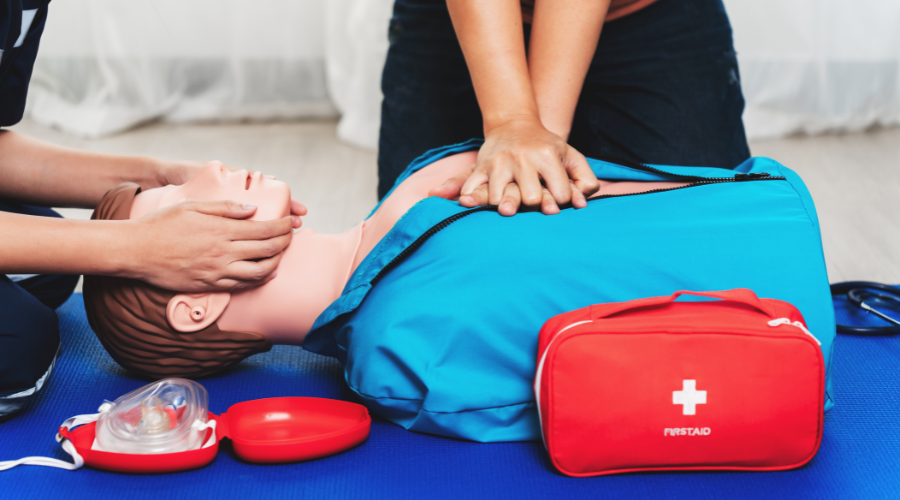
Medical emergencies can happen without warning, and responding to them requires more than basic medical knowledge. Healthcare professionals must be able to recognize critical conditions, make timely decisions, and provide appropriate care when every second matters. Having the right training can make a meaningful difference in these situations.
Advanced cardiac life support training helps healthcare providers develop the knowledge and practical skills needed to respond to serious cardiovascular emergencies. It focuses on emergency assessment, effective communication, and coordinated patient care. For professionals who want to strengthen their clinical abilities, enrolling in an advanced cardiac life support course can be a valuable step toward professional development.
Why Advanced Cardiac Life Support Training Matters
Cardiac emergencies require quick thinking and a clear understanding of emergency procedures. Healthcare professionals may encounter patients experiencing cardiac arrest, dangerous heart rhythms, or other life threatening cardiovascular conditions. Without proper preparation, managing these situations can become challenging.
Structured training helps participants understand how to assess patients, recognize warning signs, and follow appropriate emergency response procedures. It also emphasizes teamwork because successful emergency care often depends on how effectively healthcare professionals communicate and work together.
These skills are important in hospitals, emergency departments, critical care units, and other healthcare environments where patients may need immediate attention.
What You Can Learn in Advanced Cardiac Life Support Classes
Professional training should provide a combination of theoretical knowledge and practical learning. Participants need to understand emergency care principles and develop the confidence to apply their knowledge in clinical situations.
Advanced cardiac life support classes generally cover several important areas of emergency response.
Cardiac Emergency Recognition
Understanding the signs of serious cardiac conditions is an essential part of emergency care. Participants learn about identifying cardiac arrest, recognizing abnormal heart rhythms, and understanding the importance of immediate assessment.
Cardiopulmonary Resuscitation Skills
CPR is a fundamental component of cardiac emergency management. Training helps healthcare professionals understand the importance of effective chest compressions, appropriate ventilation, and following current resuscitation recommendations.
Emergency Team Coordination
Cardiac emergencies often require multiple healthcare professionals to work together. Learning how to communicate clearly, understand team responsibilities, and coordinate emergency procedures can improve the overall response.
Clinical Decision Making
Emergency situations can change quickly. Developing the ability to assess available information and make timely decisions is an important part of professional preparation.
Who Should Consider This Training?
Advanced cardiac life support education can be beneficial for healthcare professionals who may be involved in managing serious medical emergencies.
Doctors, registered nurses, emergency medical professionals, paramedics, and critical care staff may find this training relevant to their responsibilities. Other healthcare workers who participate in emergency response teams may also benefit, depending on their professional roles and training requirements.
For individuals working in demanding clinical environments, continuing education can help maintain important knowledge and improve familiarity with emergency care procedures.
How the Right Training Supports Professional Growth
Healthcare is constantly evolving, and professionals need opportunities to update their knowledge and strengthen their practical abilities. Emergency care training provides a structured learning experience that can support both professional development and workplace preparedness.
Choosing an advanced cardiac life support course allows healthcare professionals to focus on essential emergency response concepts while building familiarity with clinical procedures.
The learning experience can also encourage greater confidence when working with other healthcare providers. Understanding individual responsibilities and team communication helps create a more organized approach to emergency management.
Before enrolling, participants should review the course curriculum, instructor qualifications, practical learning opportunities, and certification requirements. It is also important to confirm whether the training meets the requirements of their employer or professional licensing body.
Choosing a Suitable Healthcare Training Institute
Selecting the right training provider is an important part of the learning process. A good institute should offer clear course information, organized learning materials, and guidance from qualified instructors.
Prospective students should look for a program that explains its learning objectives and provides relevant information about the training process. Practical learning opportunities are particularly valuable because they help participants understand how emergency response principles are applied.
The CNA Training Institute website is a useful starting point for exploring the institute’s healthcare training offerings. Interested learners can review the available information and contact the institute directly to confirm course availability, eligibility, schedules, and certification details.
Conclusion
Being prepared for a cardiac emergency requires knowledge, practical understanding, and the ability to work effectively with a healthcare team. Developing these abilities through structured education can help professionals become more confident in demanding clinical situations.
Whether you are strengthening existing clinical skills or exploring opportunities for professional development, advanced cardiac training can be an important part of your educational journey. Take time to explore suitable training opportunities, understand the course requirements, and choose a program that supports your professional goals.