
 English


Royal Enfield Bullet 350 Versus the Classic, Hunter, Meteor and 650 Models

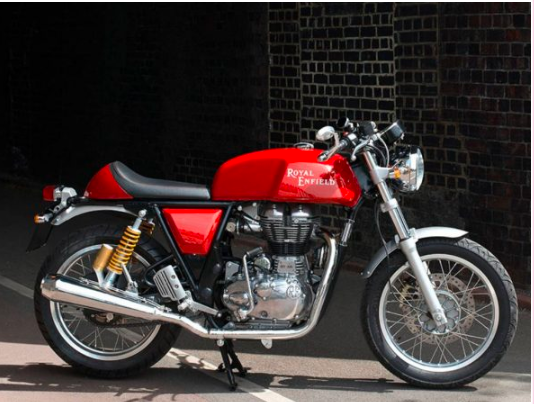
With its long seat and traditional silhouette, the Bullet 350 appeals to riders who value an unhurried motorcycle. Yet the brand now offers several machines with similar engine capacity and very different road manners. Comparing the Bullet with the Classic 350, Hunter 350, Meteor 350 and larger models helps explain what you gain, what you sacrifice and which motorcycle fits your regular journeys.
Where the Bullet 350 Sits in the Current Range
The present Bullet 350 uses Royal Enfield 349 cc air-oil-cooled, fuel-injected J-series single-cylinder engine. Output is approximately 20.2 bhp and 27 Nm, delivered through five forward gears. This is a notably different mechanical package from the older 346 cc Bullet, so specifications from used-bike advertisements should not be confused with those of a current model.
Its defining qualities are a traditional silhouette, long bench seat and relaxed throttle response. Rather than chasing rapid acceleration, the Bullet makes ordinary town roads and steady countryside rides feel deliberate. The upright posture offers a natural view ahead, although the weight requires attention during parking and tight turns.
Bullet 350 Versus Classic 350: Tradition with Different Details
The Bullet and Classic share the broad J-series engine character, so choosing between them is not primarily about outright power. The Classic 350 adds a distinctive retro finish, a different seating arrangement and a wider spread of cosmetic treatments. The Bullet emphasises its familiar tank shape, pinstriping and long single-piece seat.
The Classic may appeal to someone choosing individual styling and particular colour combinations; the Bullet can be attractive for regular pillion use where its bench seat feels suitable. Sit on both with your usual passenger, if possible. Check the position of the footpegs, reach to the bars and ease of placing both feet on the ground. Brake equipment and accessories must be checked against the exact variant, not assumed identical.
Bullet 350 Versus Hunter 350: Commuting and Manoeuvrability
The Hunter 350 also belongs to the 349 cc family, but its compact proportions, 17-inch wheel arrangement and more agile feel distinguish it from the longer Bullet. For riders frequently weaving through slow traffic or dealing with narrow parking spaces, the Hunter’s packaging can make daily use less demanding.
The Bullet has a more measured, old-school stance and longer-seat character. If a substantial, steady road presence matters more than quick urban changes of direction, it may be the stronger choice. A test ride should include a U-turn, broken road surface and the approach to your usual parking area. These reveal practical differences that a shared engine specification cannot.
Bullet 350 Versus Meteor 350: The Cruiser Question
The royal enfield bullet 350 uses the same engine family but adopts a laid-back cruiser layout. Its foot-forward riding position, seat shape and steering geometry suit riders who want a relaxed posture during longer stretches. However, a cruiser stance is not universally more comfortable. Some riders prefer the Bullet’s more neutral leg position when navigating potholes or rising slightly over a road hump.
The Meteor also comes with its own touring-oriented fittings depending on version. Consider where you place your feet, how you hold the bars for an hour and how comfortably your pillion sits. The better option depends on body proportions and riding routes, not simply on which bike looks better parked.
What Changes When You Consider a 450 or 650?
Moving to a larger Royal Enfield changes more than the badge or price. The Himalayan 450 is built for a different mix of road and uneven-surface riding, with a more advanced liquid-cooled engine and taller adventure-bike proportions. The Guerrilla 450 adopts a road-focused version of the 450 platform.
A 648 cc twin-cylinder powerplant gives the Interceptor and Continental GT 650 appreciably stronger highway performance. They also bring different servicing, tyre and fuel-cost considerations. The GT 650’s café-racer riding posture is especially different from the Bullet’s upright arrangement. Do not choose a 650 solely because its engine is larger; try the actual motorcycle at the speeds and distances you expect to ride.
Equipment, Ownership Costs and Everyday Checks
Compare the specific brake and ABS configuration before making a safety judgement. Royal Enfield has offered different equipment by Bullet variant, and listings may differ between model years. Inspect headlamp output, tyre type, instrument readability and the convenience of a charging port. For frequent night use, a real-world lighting check is more useful than a brochure image.
Calculate ownership costs beyond fuel. Consider scheduled services, chain maintenance, tyres, insurance renewals, riding equipment and possible accessories. Tubed versus tubeless tyre arrangements can affect roadside puncture convenience. A showroom quotation should separate the motorcycle’s ex-showroom price from insurance, registration and optional additions, so that you compare bikes on equal terms.
Which Royal Enfield Should You Ride Before Deciding?
Test the Bullet 350 alongside the Hunter if urban practicality matters most, the Classic if traditional styling is your priority and the Meteor if a relaxed cruiser posture interests you. Include a 450 or 650 only if your route and budget justify the different performance. The best Royal Enfield is the one you can handle confidently every day, not necessarily the one with the largest engine or the most attention-grabbing finish.