
 English


Smart Kitchen Storage Solutions with Custom Cabinets

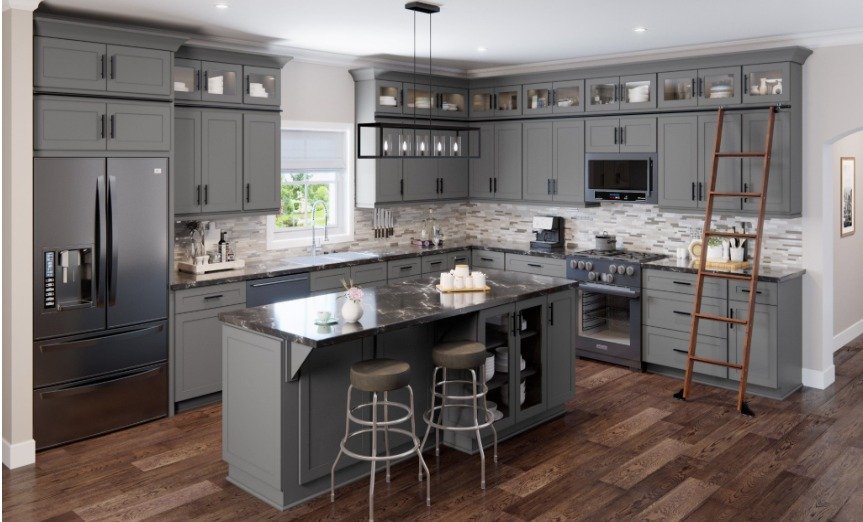
A kitchen can look spacious yet still feel crowded. Pots get buried behind other pans. Food containers lose their matching lids. Small appliances take over the countertop because there is nowhere else to keep them.These problems rarely come from owning too much. In most cases, the storage simply does not match the household’s needs. Standard shelves may be too deep, too narrow, or placed at the wrong height. Awkward corners also leave valuable space unused.
A well-planned kitchen remodeling project offers a chance to fix these daily frustrations. Instead of adding random cabinets, you can design storage around your cookware, appliances, food, and routines. This article explains how better cabinet planning turns cluttered spaces into practical, comfortable kitchens.
Why Standard Cabinets Often Leave Valuable Space Unused
Standard cabinets come in fixed sizes. Those sizes work in simple layouts, but every kitchen has different walls, corners, appliances, and storage needs. A standard cabinet may leave a narrow gap beside the refrigerator. It may also stop below the ceiling, creating unused space that only collects dust.
Inside the cabinet, the problem can become worse. A large cabinet may include only one basic shelf. The opening looks generous, yet much of its height remains empty. Meanwhile, mixing bowls and food containers get stacked in unstable piles.
Deep lower cabinets create another common issue. Items at the front block everything behind them. Reaching a heavy pot may require kneeling and removing several other pieces first. Over time, the back of the cabinet becomes a forgotten storage area.
Made-to-fit cabinetry uses the room more carefully. Cabinet width, depth, height, and interior features can match the available space. That approach creates useful storage without making the kitchen feel packed with boxes.
Storage Problems That Make Daily Kitchen Tasks Harder
Poor storage affects more than appearance. It can slow down cooking, cleaning, and meal preparation. Small frustrations happen several times each day, which makes the kitchen tiring to use.
Deep Cabinets That Hide Everyday Items
Imagine reaching for a saucepan and finding it behind three heavy pots. You pull everything out, grab the pan, and then rebuild the stack. The same thing happens again at dinner.
Deep shelves offer plenty of space on paper. However, they provide poor access when items must sit in several rows. Pull-out trays and deep drawers solve this problem by bringing the entire cabinet contents forward.
Crowded Drawers and Messy Countertops
Basic kitchens often include only a few shallow drawers. Utensils, foil, towels, and cooking tools compete for the same limited space. Once those drawers fill up, everyday items move onto the countertop. The countertop then becomes a storage shelf instead of a work surface. A toaster, blender, mixer, knife block, and coffee supplies can leave little room for cooking. Personalized cabinet storage gives each item a planned home, helping the worktop stay open.
Awkward Corners and High Shelves
Corner cabinets can hold a surprising amount, yet their contents are difficult to reach. Items slide into dark areas and remain there for months. High shelves create a similar problem, especially for children, older adults, and shorter users. Good cabinet planning considers both capacity and access. A storage area has little value if nobody can comfortably use it.
How Custom Kitchen Cabinets Turn Difficult Spaces Into Useful Storage
Custom kitchen cabinets are built around the room instead of forcing the room to accept standard sizes. This allows narrow gaps, tall walls, deep corners, and unusual layouts to serve a clear purpose.
Pull-Out Shelves Bring Items Into View
A pull-out shelf works like a drawer inside a cabinet. Rather than reaching into a dark space, you slide the shelf toward you. Pots, pantry goods, and cleaning supplies become easier to see and reach. Full-extension pantry units are especially useful beside refrigerators. A narrow space can hold canned food, sauces, spices, or baking supplies. Since the shelf pulls out, you can see products from both sides.
Corner Features Recover Wasted Space
A blind corner does not need to become a storage graveyard. Rotating shelves, corner drawers, and pull-out systems can bring hidden items toward the cabinet opening. The right option depends on the room and the items being stored. A rotating shelf may work well for bowls and small appliances. Corner drawers may provide better access for utensils, food wraps, and cooking tools.
Tall Cabinets Use the Full Wall
Storage does not always need more floor space. Sometimes, it simply needs to reach higher.
Floor-to-ceiling cabinets can hold daily items at a comfortable level. Seasonal dishes, large serving trays, and rarely used appliances can go above them. This keeps valuable shelves free for things used every day.
A built-to-fit cabinet design can also close the gap above upper cabinets. The result looks cleaner and provides more enclosed storage.
Kitchen Remodeling Ideas Built Around Daily Routines
Storage planning should begin with a simple question: How do you actually use your kitchen? The answer will reveal more than a cabinet catalog ever could. A household that cooks every evening needs quick access to pans, knives, spices, and oils. Someone who loves baking may need space for mixers, trays, flour containers, and measuring tools. A family with young children might want lower drawers for snacks and safe dishes. A strong kitchen renovation plan creates activity zones. Pots and cooking tools should sit near the range. Knives and cutting boards belong near the preparation area. Plates and glasses can stay close to the dishwasher, making cleanup faster.
Coffee drinkers may benefit from a small beverage station. Mugs, filters, coffee, and the machine can stay together. This prevents people from crossing the main cooking area whenever they want a drink. Think about movement as well. If the trash bin sits far from the preparation counter, scraps must travel across the room. A pull-out waste cabinet near the cutting area makes more sense. Small placement choices can completely change how the room feels.
Small Cabinet Details That Make a Big Difference
Not every storage improvement needs a large cabinet. Interior details often produce the most noticeable results because they solve specific problems. Deep drawers are a strong choice for pots, pans, and mixing bowls. They allow users to look down and see everything at once. Heavy cookware also becomes easier to lift because there is no need to reach behind other items.
Drawer dividers create clear spaces for utensils and cooking tools. Vertical dividers can organize cutting boards, baking sheets, pan lids, and serving trays. Instead of building a messy stack, each piece slides into its own slot. Appliance storage deserves careful thought during a kitchen upgrade. A mixer lift can hold a heavy stand mixer below the counter and raise it when needed. An appliance garage can hide a toaster or coffee machine while keeping it close to an electrical outlet.
Pull-out waste and recycling bins also improve the room. They hide unattractive containers, control clutter, and keep floor space clear. However, their location matters. Placing them near the sink or main preparation surface usually supports a smoother routine.
Storage Mistakes That Can Limit a New Kitchen
Beautiful cabinet doors cannot rescue a poorly planned interior. One common mistake is choosing the layout based only on appearance. Matching finishes and handles matter, but storage must support everyday work. Another mistake is adding shelves without measuring the items they will hold. A tall blender may not fit below a fixed shelf. Large dinner plates might be too wide for a shallow upper cabinet. Measuring cookware and appliances before ordering prevents these surprises.
Door clearance also gets overlooked. A cabinet door may hit a nearby wall, refrigerator handle, or another open door. Pull-out drawers need enough room to extend fully without blocking a busy walkway. Some people divide storage into too many narrow cabinets. This may create a balanced exterior, but the interior sections become less useful. A wider drawer could hold several pans, while two narrow drawers may not fit either one.
Trendy features can cause trouble too. A feature seen online may look impressive but offer little value for your household. Every insert, drawer, and pull-out should solve a real problem.
How to Plan Cabinets That Stay Useful for Years
Start by listing what currently frustrates you. Do lids fall out whenever a cabinet opens? Is the blender always in the way? Are pantry items difficult to find? These details should guide the new remodeling layout. Next, group items by activity. Put baking equipment together, cooking tools together, and cleaning supplies together. Then measure the largest items in each group. Those measurements help determine drawer depth, shelf height, and cabinet width.
Easy access should take priority over maximum capacity. Filling every wall with cabinets can make the room feel heavy. Instead, choose storage that holds the right items in the right places. Future needs matter as well. Pull-out shelves and wide drawers can reduce bending and reaching. Adjustable shelves can adapt when appliances or family routines change. Durable hardware will also handle daily use better than lightweight fittings.
Cabinets MKE can help homeowners review their kitchen habits, available space, and storage concerns before finalizing the design. Careful planning at this stage reduces expensive changes after installation begins.
A Better Kitchen Starts With Smarter Storage
A tidy kitchen is not created by hiding clutter wherever it fits. It comes from giving cookware, food, appliances, and utensils logical places. Thoughtful cabinet planning can recover corner space, use tall walls, clear countertops, and make everyday items easier to reach. Pull-out shelves, deep drawers, dividers, and appliance storage each solve a different problem. Before planning your remodeled kitchen, identify the three storage issues that frustrate you most. Build the cabinet design around those problems. The finished room will not only look better. It will also make cooking, cleaning, and daily life feel easier.
FAQs
Are custom cabinets useful in a small kitchen?
Yes. Cabinets designed for the exact room can use narrow gaps, corners, and vertical wall space more effectively. Pull-outs, deep drawers, and fitted organizers also improve access without making a small kitchen feel crowded.
Which cabinet features improve access the most?
Full-extension drawers, pull-out shelves, rotating corner systems, and vertical dividers offer excellent access. The right choice depends on what you store and how often you use it. Daily items should remain between comfortable waist and shoulder height.