 English

The Invisible Power of Good Laminate Edging

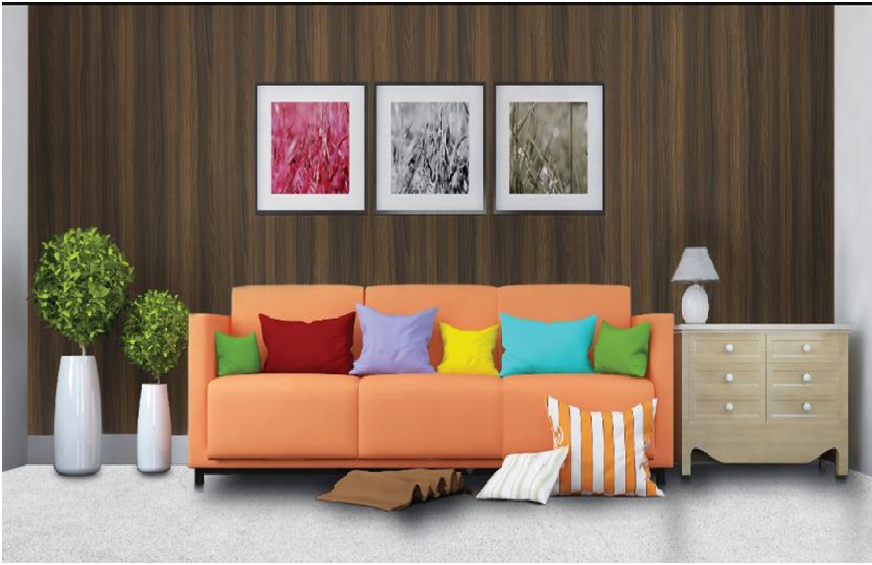
When a piece of furniture is installed, the surface is what people notice first. But what holds that surface in place is often ignored. Edging may seem like a minor detail. But it plays a major role in how long the piece stays strong and clean.
Good laminate edging protects both the look and structure. It keeps the sheet in place and blocks moisture, dust, or impact from reaching the core. That is why this detail must be planned with the same care as the surface.
Why laminate sheets need strong edge protection:
Laminate sheets are applied to panels using adhesive. But the outer edges stay exposed unless sealed. That exposed part is where damage begins. Water may enter. Corners may chip. The finish may peel.
Decorative laminates need full edge closure to work as intended. Without proper edging, even premium finishes begin to fail under daily contact.
Where most damage starts in finished furniture:
Open edges around tables, shutters, and drawers face repeated touch. These points take load from bags, elbows, trays, and cleaning cloths. If the edge is weak or open, the sheet begins to lift.
Laminate sheets without sealed ends show faster cracks or moisture swelling. Once this starts, the entire surface begins to fail.
Main benefits of strong laminate edging:
• Holds the sheet firmly in place without air gaps.
• Blocks water, dust, and oil from entering the board.
• Keeps corners tight and smooth during daily use.
• Helps the surface finish last longer without lift.
• Makes the furniture look cleaner and more complete.
Why edge finish matters in decorative laminates:
A good surface loses value if the edge starts to chip. That is why decorative laminates must be matched with clean edge tape or strip. This match can be same-colour, contrast, or wood grain depending on the design.
Good edging improves the look. It also avoids early repairs caused by exposed edges. This helps in maintaining both function and feel.
Where laminate sheets are most exposed to wear and tear:
Kitchen shutters face steam, oil, and repeated pulling. Bathroom cabinets face water and cleaning fluids. Study desks face constant writing pressure. Shoe racks face dirt, dust, and foot impact.
decorative laminates are strong. But they still need proper closure. Laminate sheets stay useful when edge failure is avoided through proper taping or sealing.
How edging adds value without changing the structure:
Edge tapes are applied using heat or pressure. They do not add thickness. But they do improve strength. That is why this detail is added even in factory-finished boards.
Laminates with sharp corners or complex joins often carry edge bands. These improve safety and also reduce visible glue marks. That helps maintain polish-free finish.
Why carpenters and modular teams focus on edging quality:
A clean corner makes work easier. When the edge is smooth, the tape sticks faster. There are fewer air bubbles or misaligned joints. That reduces rejection and speeds up delivery.
Carpenters say that most client complaints start from poor edge quality. That is why laminate sheets must carry edges that support their hold and look across time.
Design options available in modern laminate edging:
Edge tapes now come in solid tones, wood grains, stone patterns, and matte textures. This allows better matching with decorative laminates. Some tapes are pre-glued. Others use separate adhesive or hot air bonding.
Laminate sheets with curved edges can be edge-banded using flexible strips. These maintain shape without breaking or cracking. That expands the application zones without loss of quality.
Where edge quality shows up in the final look:
People notice edge finish around wardrobe shutters, study tables, TV panels, and kitchen drawers. Clean edges make the surface look premium even when the base board is standard.
Decorative laminates depend on these edges to deliver the full effect. Without them, the sheet starts looking loose or patchy within a few months of use.
Conclusion:
The star of the surface may not be edging. But it keeps the structure in place and secures the finish with time. When the sheet is sealed carefully, then the decorative laminates will have their true worth. Strong edging laminate sheets remain flat, clean and durable throughout the daily use. This is why this intangible detail needs to be planned as clearly as the rest of the material.