
 English


The Top 7 Reasons to Use Sleeve Boxes for Luxury Packaging

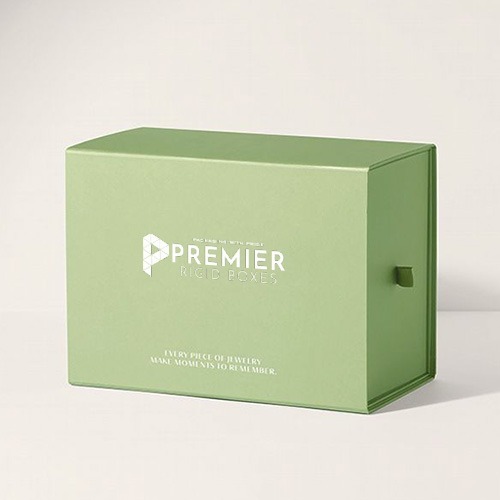
Sleeve boxes don’t get talked about as much as some other packaging styles, but walk through any high-end retail display and you’ll spot them everywhere. That outer sleeve sliding off a rigid inner tray, the little pause before the product reveals itself, none of that happens by accident. Brands choose sleeve boxes deliberately, and once you understand why, it’s hard not to notice them everywhere.
Here’s a look at why this style keeps showing up in luxury packaging, and where it tends to work best.
1. The Reveal Feels Like an Event
A sleeve box turns opening a product into a small ritual. You slide the outer sleeve off, slowly if you want, and the inner box or tray is revealed underneath. That two-step motion adds a beat of anticipation that a simple flip-top lid just doesn’t have.
This matters more than it might sound like on paper. Customers remember how something felt to open, not just what was inside. Brands selling anything from fragrance to jewelry to specialty skincare lean on that moment because it’s often the closest thing to a physical handshake between the product and the person buying it.
2. They Pair Naturally With Rigid Inner Construction
Sleeve boxes are frequently built around a sturdy inner box, and that combination does a lot of heavy lifting. The sleeve gives you a canvas for branding and print, while the rigid interior gives the whole package structure and weight. Together, they create something that feels engineered rather than assembled.
This is part of why so many brands pair sleeve packaging with luxury rigid boxes with lid as the inner structure. The rigid box holds its shape under pressure, protects delicate items during shipping, and gives the product a stable home once it’s sitting on a shelf or a vanity. The sleeve just adds the presentation layer on top of that foundation.
3. Branding Gets More Room to Breathe
Because a sleeve wraps around the outside without needing hinges, clasps, or magnetic closures cut into the surface, designers get a clean, uninterrupted space to work with. Logos, patterns, foil stamping, embossing, all of it reads better on a surface that isn’t broken up by functional hardware.
For brands trying to build strong shelf presence or a memorable unboxing photo, that clean canvas matters. A cluttered box with visible clasps or seams can undercut even a good design. A sleeve keeps things simple, and simple tends to photograph and print better.
4. Assembly Costs Stay Reasonable
Compared to boxes with hinged lids, magnetic closures, or ribbon pulls, sleeve boxes are relatively straightforward to manufacture and assemble. Fewer moving parts means fewer things that can go wrong on the production line, and it usually means a lower per-unit cost as well.
That’s a real advantage for brands that want a premium look without the premium price tag that comes with more complex box mechanisms. A well-printed sleeve over a solid rigid box can deliver most of the visual and tactile payoff of a fancier closure system, at a fraction of the manufacturing complexity.
5. They Scale Well for Different Product Sizes
Sleeve and tray combinations are flexible in a way that’s genuinely useful at scale. The same basic construction method works for a small fragrance bottle, a set of skincare minis, or a larger gift box, just by adjusting dimensions. Brands don’t need to redesign the entire packaging system for every new SKU.
This flexibility matters more than it might seem for companies managing multiple product lines. Being able to reuse a packaging format across a catalog saves time in development and keeps a consistent visual language across everything the brand sells.
6. Structural Protection Without Bulk
A sleeve wrapped around a rigid tray adds a layer of protection during shipping and handling without making the overall package feel oversized or wasteful. The sleeve helps keep the inner box closed and adds a bit of crush resistance, while the rigid interior does the main job of protecting whatever’s inside.
This balance is part of why sleeve boxes show up so often for items that need a bit of physical protection but shouldn’t feel bulky, things like glass bottles, ceramic jars, or boxed sets with multiple compartments. It’s a practical solution that doesn’t sacrifice the polished look brands are going for.
7. They Signal Intentional Design
Maybe the simplest reason of all: sleeve boxes just look considered. There’s something about the fit, the way a sleeve slides smoothly off a tray without catching or sticking, that suggests real attention went into the packaging. A sloppy fit, on the other hand, one that’s too tight or too loose, gives the opposite impression almost instantly.
Customers pick up on that, even if they couldn’t explain exactly why. A sleeve box that opens smoothly and closes cleanly reads as a small but meaningful signal that the brand cares about details, and that impression tends to carry over to how people feel about the product itself.
Where This Leaves Brands
Sleeve boxes aren’t the right fit for every product or every price point. But for brands positioned in the premium or luxury space, especially ones selling items where the unboxing moment matters, the format offers a rare combination: strong branding real estate, manageable production costs, and a tactile experience that feels deliberate from the first touch. Pair that with a solid rigid interior, and it’s easy to see why this style keeps showing up across fragrance counters, skincare lines, and gift sets year after year.