
 English
Travel Photography: Where Do You Begin?

Going on a trip? Oh, others might feel a little jealous. And even more so, when you drop those amazing clicks. The first sunrise in the new place that takes away all the stress, the café that becomes a favourite with the very first sip of the coffee, the street that turns familiar in no time – these and many more frames await you on this trip. That is why you need to plan your pictures along with packing your bags. Here are some tips!
Start With What You Have
Start simple and learn how your camera behaves.
Things to try early on:
- Test different shooting modes.
- Learn how focus works.
- Shoot the same subject from different distances.
- Check how photos look in sunlight vs shade.
This kind of practice teaches you faster than reading specs online.
Learn to Notice Light
Lighting changes everything in photography. The same location can look ordinary at noon and incredible at sunset.
Morning and evening are usually the most forgiving times to shoot. The light is softer, and shadows are longer. Colours also appear richer.
What to look for:
- Sunlight coming through buildings or trees
- Reflections on water or glass
- Soft light on cloudy days
- Long shadows that add drama
Sometimes the difference between an average photo and a beautiful one is simply waiting a few minutes.
Think About Composition
Composition sounds technical, but it really means deciding what belongs in the frame.
Before taking a photo, pause for a second. Look at the edges of your screen. Ask yourself what the viewer should notice first.
A few reliable composition ideas:
- Place your subject slightly off-centre.
- Use roads, bridges, or paths to guide the eye.
- Include something in the foreground for depth.
- Look for natural frames like doors or branches.
These small adjustments make photos feel more intentional.
Look for Everyday Moments
Travel photography isn’t only about landmarks. Some of the most interesting photos happen between destinations.
Markets, train stations, street food stalls, and quiet corners all offer stories.
You might capture:
- A vendor arranging fruit
- Someone reading near a window
- Friends laughing at a café
These moments give your travel album personality.
Change Your Angle
A common beginner habit is photographing everything at eye level. It works, but it also makes photos look similar.
Instead, move around.
Try this:
- Kneel down for street scenes.
- Shoot from above when possible.
- Step closer instead of zooming.
- Use reflections in puddles or windows.
Even a small shift in perspective can make a familiar place look new.
Pay Attention to Backgrounds
Many photos fail because of distractions in the background. Signs, wires, random people, or clutter can pull attention away from the subject.
Before pressing the shutter, scan the frame.
Quick fixes include:
- Taking two steps to the left or right
- Lowering the camera angle
- Moving closer to the subject
- Waiting for people to pass
These tiny adjustments improve photos immediately.
Use Editing Carefully
Editing should support the photo, not overpower it.
A few small tweaks often help:
- Increase brightness slightly.
- Adjust contrast.
- Correct colours if they look dull.
- Crop to remove distractions.
Most phones and basic editing apps already include these tools. You don’t need complicated software to get started.
Slow Down While Travelling
Photography naturally encourages you to slow your pace. Instead of rushing through places, you begin to notice textures, colours, and patterns.
You might notice:
- Old paint on doors
- Interesting shadows on sidewalks
- Street signs with character
- Unexpected color combinations
Those details often become your favourite images later.
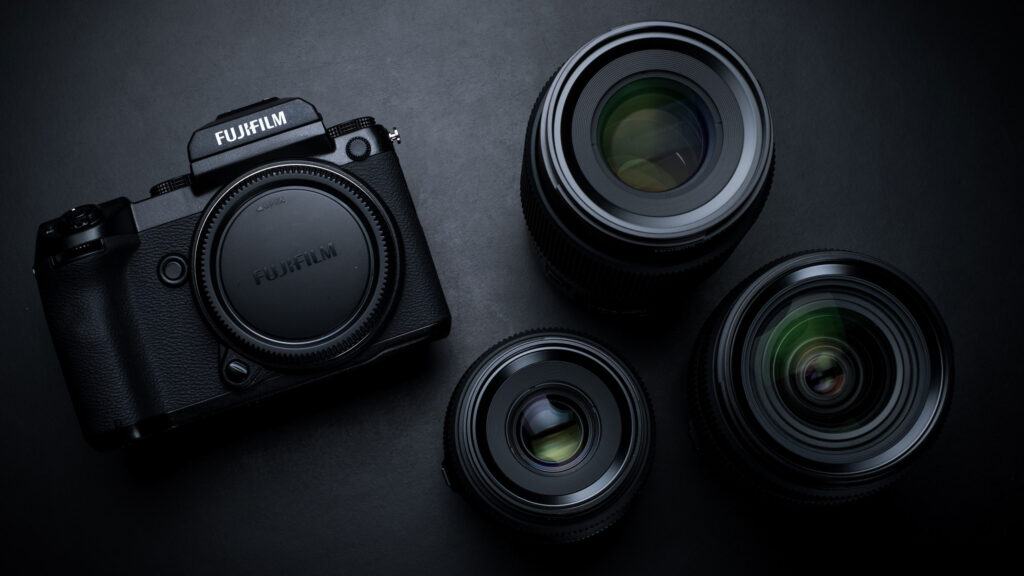
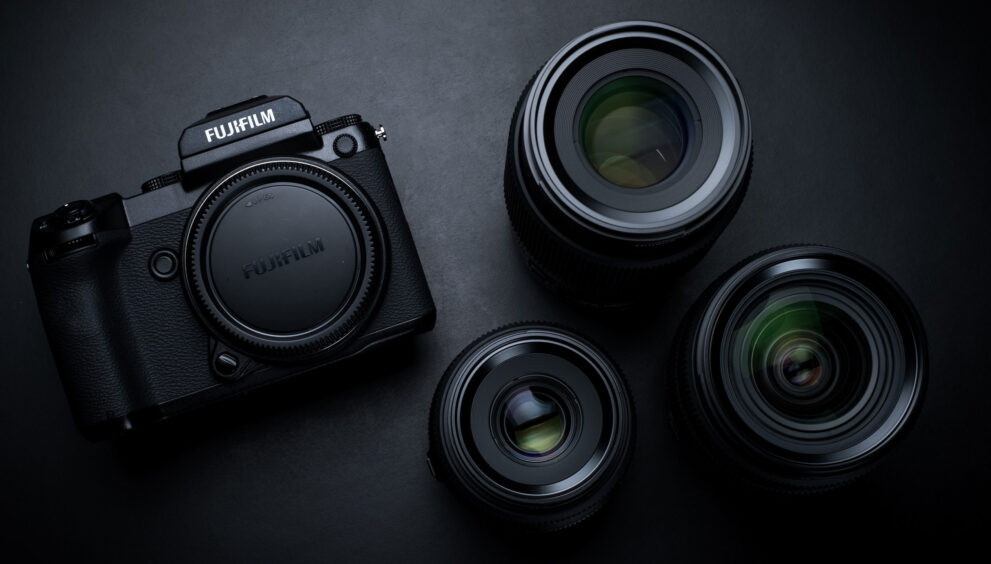
Keep Your Gear Practical
Travel photography should feel fun, not heavy or complicated. Carry only what you’ll actually use.
Helpful basics include:
- Extra battery
- Spare memory card
- Small cleaning cloth
- Comfortable camera strap
Simplicity can go a long way. When you keep things simple, you can focus better on the views you are experiencing rather than obsessing over the equipment. You can capture all the colourful streets, peaceful landscapes, and unexpected moments with a simple digital camera. All you need is to be in the moment.
When do you move to an advanced DSLR camera lens? When you feel more confident and want some more options!
What’s the wait then? Pack your bags, and get ready to click!