
 English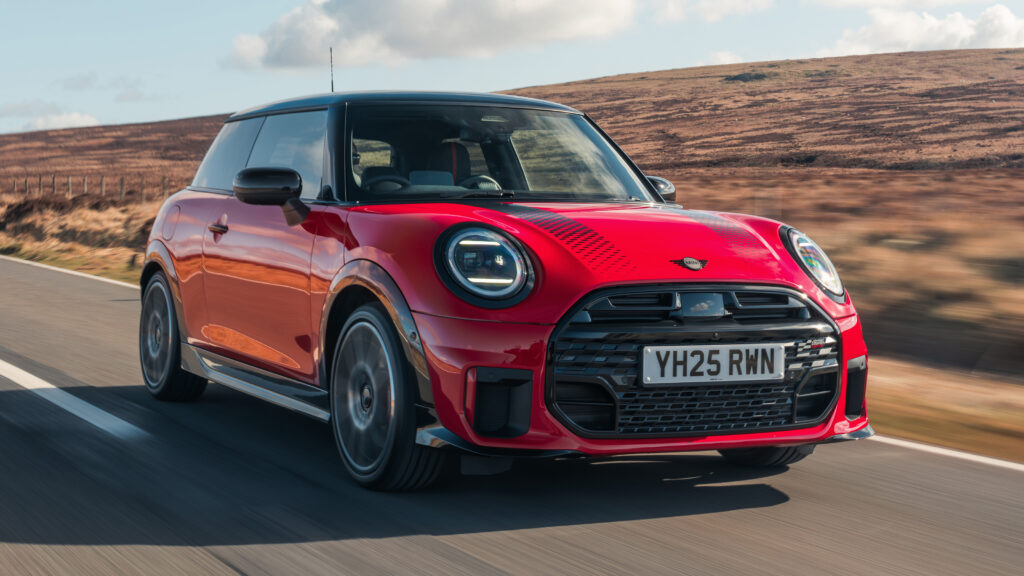


What Makes Small Cars So Exciting to Drive?

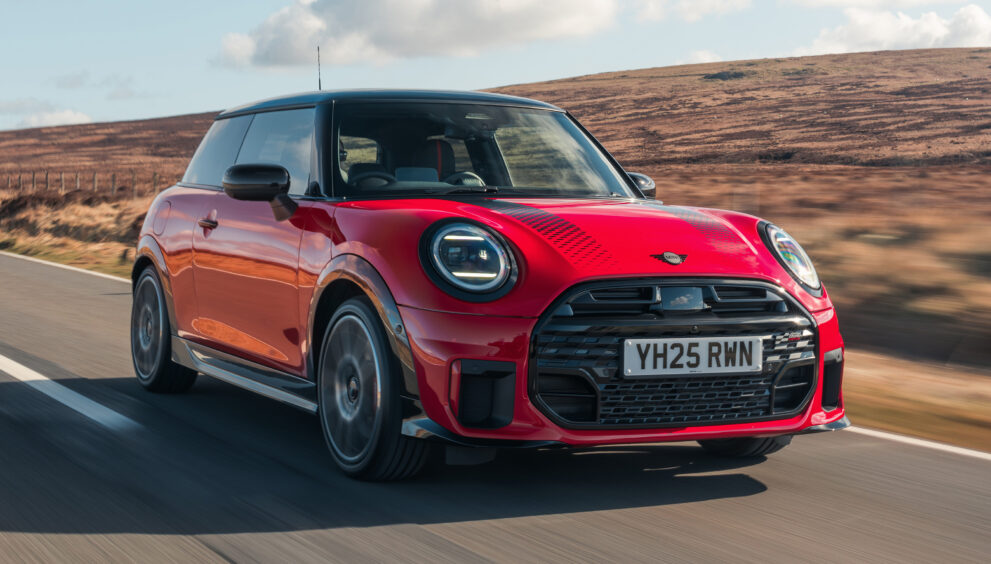
When you look online at people’s favourite cars, you will get a variety of names, but have you ever noticed anything common between them? Most of those cars are compact and smaller. For example, if they had to choose between a Swift/Polo and a Seltos/Fortuner, they’d go with the smaller ones.
This trend isn’t a one-off incident; there are online threads discussing how smaller cars are much more fun to drive, and some of them seem to be a lot more interesting. But regardless, why is this the case? Why are people much more excited to drive smaller cars?
Well, this is something a lot of new car buyers are confused about, which is why in this article, we will be discussing what makes driving small cars so exciting to drive, and what makes them the perfect balance between practicality and driving enjoyment.
Why Smaller Cars Often Feel More Connected to the Road
Have you ever spoken to a person who is passionate about cars? Not just someone who knows a few car names, but someone who is actually passionate and would probably be able to tell the name of the car just by seeing it once. Those people would tell you that compact cars have a much better version of something they call “driver connection.”
In simple terms, smaller cars have a much better sense of communication with their rider. Since they are small, they steer easily and have a much simpler control system compared to bigger cars. They are much more responsive on the road, and when you turn or adjust direction, the suspension systems even tend to generate a bit more feedback from the road surface, giving the riders an idea of how the car is performing on bumps, curves, or even changes in speed.
Because of this, drivers feel much more connected to the car; already, most passionate people about cars think of cars as an extension of themselves, and this driving interaction makes the driving much more engaging.
The Power-to-Weight Ratio Advantage
Power-to-weight ratio is a metric that a lot of car owners seem to miss out on, but people who life compact cars know very well how this metric is what puts their cars at an advantage over their competitors. Power-to-weight ratio means the amount of engine power a car has, when compared to its weight. If the ratio is favourable, the car can accelerate much more quickly to its top speed.
This is part of the reason why people seem to like smaller cars, as there’s virtually no limitation on how powerful an engine a smaller car can have, while they weight significantly less than big cars. Even if the engine isn’t as powerful, the car can still accelerate quickly thanks to it being a lot less weight compared to bigger cars.
While this is one reason, another reason is that the driving enthusiast tends to be able to use the most out of the car’s potential even in normal conditions, where Larger cars seem to be a little limited.
How Size and Wheelbase Affect Handling
The size of a car, when compared to its wheelbase, will play a major role when it comes to handling on the road. But what is wheelbase? Wheelbase simply means the distance between the front and the rear wheel, and the smaller the wheelbase is, the easier a car is to control, which is why smaller cars seem to be a bit more popular in this regard.
Since they’re small in size, they also have a shorter wheelbase, which makes them much easier to control, giving the riders a greater sense of control. These factors are the prime reasons why Size and Wheelbase affect handling:
| Factor | Smaller Cars | Larger Cars |
| Wheelbase Length | A shorter wheelbase allows quicker turning | Longer wheelbase improves straight-line stability |
| Direction Changes | Faster and more responsive | Slower due to larger size and weight |
| Maneuverability | Easier to handle in tight spaces | More difficult in narrow roads or traffic |
| Driving Feel | Often described as “go-kart-like” and agile | More focused on comfort and stability |
Why Lower Center of Gravity Improves Stability
When we talk about cars, it is really important to have a centre of gravity. This is because a low centre of gravity is what helps cars stick to the road and turn quickly. It also makes them go faster. So if you want a car that can really grip the road and be very responsive, you need to think about the centre of gravity of the car. A low centre of gravity is what makes cars fast and fun to drive.
For example, vehicles like the mini hatch are known for their balanced design, which helps them maintain good road grip and responsive handling
| Driving Condition | Role of Centre of Gravity | Impact on Vehicle Performance |
| Turning | When a car takes a turn, momentum shifts the centre of gravity toward the outside of the turn. | A lower and well-balanced centre of gravity improves stability and reduces the risk of rollover. |
| Acceleration | During acceleration, gravity acts downward through the centre of gravity while the wheels push the car forward. | Proper balance helps the vehicle move smoothly and maintain traction with the road. |
| Braking (Deceleration) | When braking, the centre of gravity shifts forward, increasing load on the front tyres. | This weight transfer helps the braking system slow the vehicle effectively. |
| Vehicle Stability | The position of the centre of gravity determines how weight is distributed across the vehicle. | A lower centre of gravity generally improves control, handling, and overall drivability. |
| Safety & Handling Tests | Vehicles with a poorly balanced centre of gravity may become unstable during sudden maneuvers. | This can affect performance in safety evaluations such as the Moose test. |
Conclusion
To put it simply, most riders tend to prefer small cars over big cars, as these cars are much easier to handle. Cars like the Mini Cooper reach the Mini Cooper top speed much more simply because they’re small and have a balanced centre of gravity, making them much more stable, which is why smaller cars are much more exciting to drive.