 English


What to Avoid When Designing and Printing Booklets?

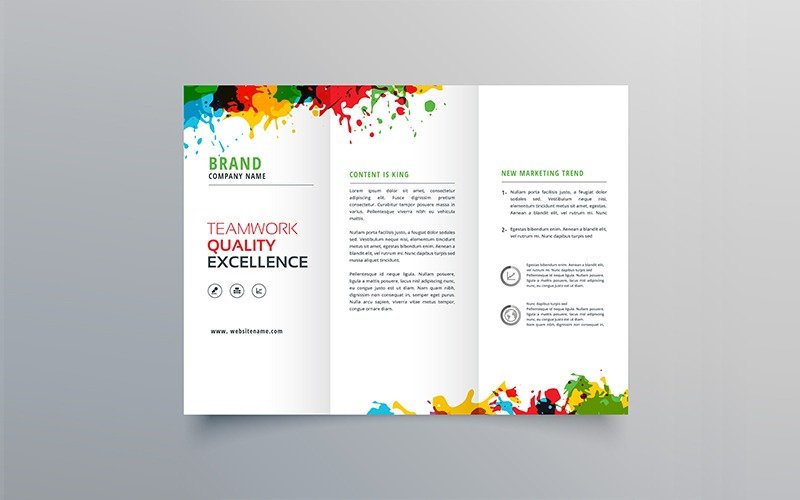
Booklets are an asset for your business. However, it has to be done right. When you are considering booklet printing, you should know the mistakes you should avoid.
To save you the time and trouble, we will list the top mistakes to avoid with booklet printing London.
- Including Everything in One Booklet
Sure, the booklet is a material that allows you to share information about your business and what it has to offer. However, trying to include everything in one booklet is a big mistake. Rather than increasing interest, you only end up overwhelming them. Readers might struggle to identify the most important information and lose interest.
Instead of trying to fit everything into one booklet, focus on the information that matters most to your target audience. Identify the main purpose of the booklet and the message you want readers to take away. Organize the content into clear sections and give each topic enough space to be presented properly. If you have more content than the booklet can comfortably accommodate, consider creating separate booklets for different topics or directing readers to your website for additional details.
- Choosing the Wrong Paper Type
Choosing the right paper is an important part of creating a high-quality booklet. In fact, the feel and texture of the paper can influence how customers perceive your brand. Choosing the paper quality without considering the purpose can impact both its presentation and usability. Using thin paper for paper catalogue with several images might result in ink showing through the pages. Similarly, choosing thick paper for every page can make the booklet unnecessarily bulky.
Before you finalize your choice, consider how the booklet will be used and who will be reading it. If you are creating a product catalogue or company profile, a slightly heavier paper with smooth finish helps images and colours stand out. You should also pay attention to paper weight, texture, opacity, and finish. Glossy paper can make photographs and colourful graphics look more vibrant, while matte paper offers a softer appearance and reduces glare. To avoid this mistake, discuss your requirements with a booklet printing service.
- Using Poor-Quality Images
Blurry or grainy images can look very tacky. Nothing can be more unprofessional than this, especially if the images are relaying an important message. Even if the layout of the professional booklet printing are well-designed, poor-quality visuals make the finished product appear unprofessional and reduce its impact on readers. One common mistake business make is downloading or taking images from online sources without checking their resolution. While these images may look clear on a computer or mobile screen, they can appear stretched or pixelated. This is because printed materials require higher-resolution images.
To avoid this issue, always use high-resolution images that are suitable for professional printing. Ideally, images should have a resolution of 300 DPI at their intended print size.
- Skipping the Proofreading Process
If your booklet is not proofread well, it can lead to an expensive mistake. A booklet can lose its professional appeal if it contains spelling mistakes, grammatical errors, and incorrect information. These small errors can impact how readers understand your message and might create a negative impression of your business. The biggest problem of skipping proofreading is the mistakes can go unnoticed until the saddle stitched brochure printing or booklet printing is done. Printed materials can’t be easily edited or corrected once production is complete.
To avoid this, review the whole booklet carefully before sending the files for printing. Check grammar, spelling, and punctuation. Make sure the contact details are right.
- Not Including a Clear Call to Action
A saddle stitch booklet should do more than just share information about your business, products, or services. It should also encourage readers to take the next step. Without a clear call to action, readers might finish going through your booklet without knowing what to do next or how to engage with your business. It should also encourage readers to take the next step. Without a clear call to action readers may finish going through your booklet without knowing what to do next or how to engage with your business. This can limit the overall impact and effectiveness of your printed materials.
When designing your booklet, think about what you want readers to do after going through the content. Use short, direct, and action-oriented phrases such as “Call Us Today,” “Visit Our Website,” or “Request a Free Quote.” A clear call to action gives your booklet a purpose beyond information sharing.

