
 English
 Anti-Rodent Masterbatch and Mono Pigment Concentrates in Plastic Manufacturing

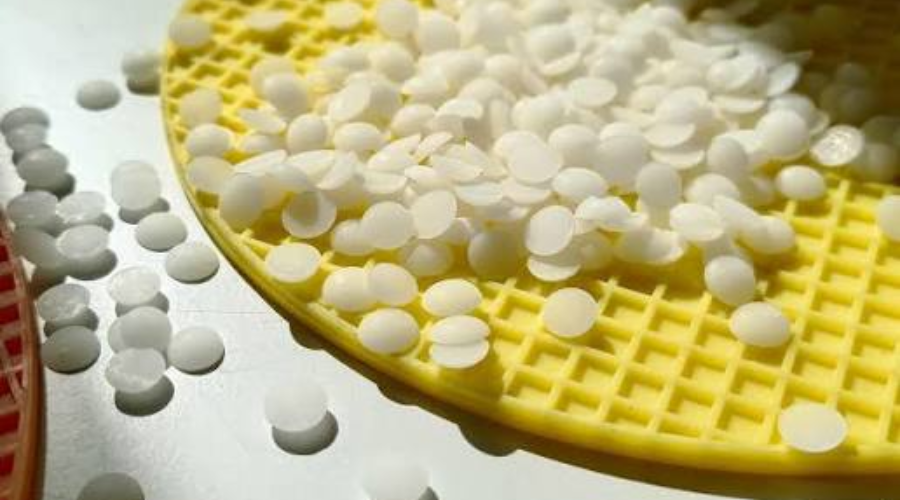
Not every masterbatch does the same job. Some add color, others add function, and confusing the two leads to specifying the wrong product. Two examples that are often misunderstood are the anti-rodent masterbatch, an additive product, and the mono pigment concentrate, a colouring product. Understanding the distinction helps manufacturers choose correctly.
Additive Masterbatch Versus Pigment Concentrate
The core difference is purpose:
- An additive masterbatch delivers a functional property, such as pest deterrence, UV protection, or flame retardancy.
- A pigment concentrate delivers colour, dispersing pigment evenly into the base polymer.
Both are concentrates added during processing, but they are not substitutes. One changes how a plastic behaves; the other changes how it looks.
What Anti Rodent Masterbatch Does
Buried cables, irrigation pipes, and agricultural films are vulnerable to rodents and, in some regions, termites. An anti-rodent masterbatch introduces additives intended to deter such pests, reducing the risk of gnawing damage to plastic products in the field.
Typical applications include:
- Underground and outdoor cables
- Agricultural and irrigation pipes
- Drip and mulch films
- Products installed in soil or exposed environments
Because this is a deterrent additive, its effectiveness depends on formulation, dosage, and the specific conditions of use. Manufacturers integrating an anti-termite and rodent masterbatch should discuss loading levels and application details with their supplier and treat protection as risk reduction rather than a guarantee. Where safety or regulatory considerations apply, confirm suitability for the intended environment.
What a Mono Pigment Concentrate Does
A mono pigment concentrate contains a single pigment dispersed at high loading in a carrier. Rather than a ready-made colour blend, it gives processors a building block they can combine to create custom shades or precise colour matches.
This approach suits manufacturers who:
- Need flexibility to mix their own colours
- Want tight control over colour matching
- Run varied products requiring different shades
- Prefer to stock single pigments rather than many finished blends
Because each concentrate is a single pigment, dispersion quality and consistent pigment loading are essential for predictable results.
Comparing the Two
| Feature | Anti Rodent Masterbatch | Mono Pigment Concentrate |
| Category | Additive masterbatch | Pigment concentrate |
| Purpose | Deter rodents/pests | Provide colour |
| Main benefit | Protection of buried/outdoor parts | Colour flexibility and matching |
| Typical uses | Cables, pipes, agri films | Any coloured plastic product |
| Key selection factor | Dosage and conditions of use | Pigment choice and dispersion |
Can They Be Used Together?
Yes. A single product may need both colour and function, for example a coloured cable jacket that also requires rodent deterrence. In that case, a processor might combine a pigment concentrate with an additive masterbatch, provided both are compatible with the base polymer and each other. Compatibility and total additive loading should be checked to avoid processing or performance issues.
Selection Considerations
For either product, keep these in mind:
- Base polymer compatibility: The carrier must suit your resin.
- Dosage: Correct loading is essential for both colour and function.
- End-use environment: Especially relevant for deterrent additives.
- Dispersion: Poor dispersion undermines both appearance and performance.
Validate through trials, since results depend on formulation and processing.
Conclusion
Anti-rodent masterbatch and mono pigment concentrate sit in different categories: one functional, one coloring. Selecting correctly starts with knowing whether you need behavior or appearance, then confirming compatibility, dosage, and end-use conditions. Clear specifications and supplier dialogue keep the two roles distinct and your products performing as intended.
Frequently Asked Questions
1. Is anti-rodent masterbatch a colourant?
No. It is a functional additive masterbatch intended to deter pests, not to add colour.
2. Why use mono pigments instead of ready colours?
They offer flexibility to mix custom shades and control colour matching in-house.
3. Can one product both colour and protect plastic?
It can, by combining a pigment concentrate with a compatible additive masterbatch, subject to compatibility checks.