
 English

Essential Landlord Legal Forms Every Property Owner Should Have Ready

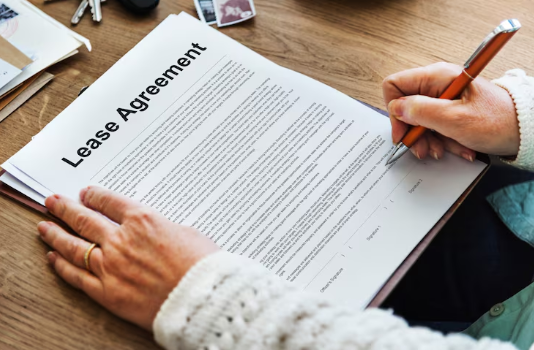
Owning rental property comes with significant financial opportunity, but it also comes with legal responsibility. The relationship between a landlord and a tenant is governed by a range of agreements, notices, and disclosures that must be in writing to be enforceable and to protect both parties. Having the right landlord legal forms in place before issues arise is one of the most effective ways a property owner can safeguard their investment.
Why Written Documentation Is Non-Negotiable for Landlords
Verbal agreements between landlords and tenants are notoriously difficult to enforce. When a dispute arises over rent payments, property damage, lease terms, or the process of ending a tenancy, the outcome often hinges on what is written and signed. A landlord who operates without proper documentation is exposed to significant financial and legal risk, even when they believe their position is clearly in the right.
Proper documentation creates a clear record of the agreed terms, gives tenants notice of their obligations, and provides the landlord with evidence if matters escalate to a legal process. Every rental property, regardless of size or value, should operate within the framework of complete and current legal documentation.
Core Forms Every Landlord Needs
Understanding which forms are essential helps landlords build a complete documentation toolkit before they begin renting.
Lease or Rental Agreement: This is the foundational document of any landlord-tenant relationship. It outlines the rent amount, payment due dates, lease duration, rules about pets and guests, maintenance responsibilities, and the conditions under which the lease can be terminated. A clearly written lease reduces the likelihood of disputes by leaving no important term open to interpretation.
Move-In and Move-Out Inspection Reports: Documenting the condition of the property at the start and end of a tenancy is essential for resolving disputes over security deposit deductions. A signed inspection report that both parties agree to at move-in creates an objective baseline for comparison at the end of the tenancy.
Security Deposit Receipt: Providing tenants with a written receipt for their security deposit, along with the terms governing how it will be held and returned, is a legal requirement in many jurisdictions. Keeping this document on file protects the landlord and demonstrates compliance with local regulations.
Notice to Pay Rent or Quit: When a tenant falls behind on rent, this notice formally informs them of the amount owed and the deadline by which they must pay before the landlord can proceed with formal eviction steps. Serving this notice correctly and within the required timeframe is a prerequisite for the eviction process.
Lease Renewal and Amendment Forms: When a lease is extended or terms are changed, a written amendment or renewal agreement ensures that both parties have agreed to and signed off on the updated terms, preventing later disagreements about what was discussed verbally.
Using Landlord Legal Forms to Stay Compliant
One of the most significant challenges landlords face is staying current with local, state, and federal regulations that govern the rental relationship. Security deposit limits, required disclosures, notice periods, and habitability standards vary by jurisdiction and can change over time. Landlord legal forms that are regularly updated to reflect current legal standards help property owners stay compliant without needing to research every regulatory change themselves.
Using professionally prepared templates also reduces the risk of inadvertently including clauses that are unenforceable or prohibited under applicable law, which can undermine the entire agreement if challenged.
Handling Disputes and Evictions
Even with thorough documentation in place, disputes can arise. When they do, the quality and completeness of your paperwork becomes critical. Landlords who have consistently used proper legal forms throughout the tenancy are in a much stronger position when seeking resolution, whether through mediation, small claims court, or a formal eviction proceeding.
The eviction process, in particular, is highly procedural. Missing a required notice, failing to serve documents correctly, or using a form that does not meet local requirements can delay proceedings significantly. Having the correct eviction notice templates available and understanding how to use them correctly is an investment that pays off when difficult situations arise.
Organising and Storing Your Legal Forms
Maintaining an organised system for storing completed legal forms for each property and tenant is as important as having the forms in the first place. Digital storage allows quick retrieval of any document when needed and reduces the risk of losing critical paperwork. Keep signed copies of all agreements, notices, and correspondence related to each tenancy in a clearly labelled folder, organised by property and tenant name.
Conclusion
Having the right landlord legal forms in place is not a bureaucratic formality — it is a practical necessity for any property owner who takes their investment seriously. Proper documentation protects your income, your property, and your rights as a landlord, while also providing tenants with the clarity and structure they deserve from a professional rental relationship.