
 English


How to Structure a 6 Week Exercise Plan at Home That Actually Works

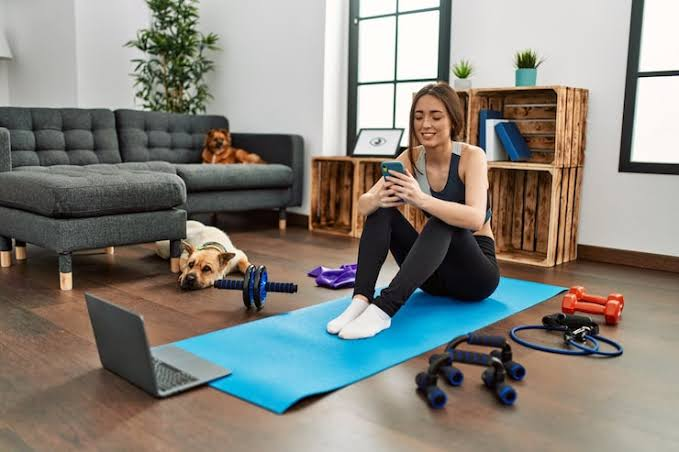
Starting a fitness routine at home sounds simple in theory. You have the space, you have the time, and there are thousands of free workouts available online. Yet most people who start exercising at home quit within the first two weeks. The issue is rarely motivation. It is the absence of structure.
A well-designed home workout plan gives you direction, progression, and accountability. It tells you exactly what to do each day, gradually increases the challenge, and keeps you consistent long enough to see measurable results.
Why Six Weeks Is the Right Starting Window
Six weeks is long enough to produce visible changes in strength, muscle tone, and cardiovascular fitness, but short enough to feel manageable. Research on habit formation suggests that consistent behaviour over roughly forty days begins to feel automatic. A six-week commitment sits right in that window, making it an effective bridge between starting a routine and sustaining one.
It also aligns with how the body adapts to training. During the first two weeks, the nervous system improves its coordination. By weeks three and four, muscles begin to grow and strengthen. Weeks five and six consolidate those gains and prepare the body for the next phase of training.
Building the Weekly Framework
Frequency
A practical 6 week exercise plan at home typically includes four to five workout days per week with two rest or active recovery days. This frequency provides enough stimulus for progress without the burnout that comes from training every single day.
Session Length
Each session should last between twenty and forty minutes. Shorter sessions are easier to commit to and can be just as effective as longer ones when the intensity is appropriate. The goal is consistency, not marathon training sessions.
Training Split
A balanced weekly split might look like this: two upper body days, two lower body days, and one full body or high-intensity interval session. This approach ensures every major muscle group receives adequate training volume and recovery time.
Progressive Overload Without a Gym
One of the biggest misconceptions about home workouts is that you cannot build strength without heavy weights. In reality, progressive overload can be achieved through several methods that do not require a full gym setup.
• Increase repetitions: Adding two to three reps per set each week gradually increases the workload.
• Slow the tempo: Performing each rep with a three-second lowering phase dramatically increases time under tension.
• Reduce rest periods: Cutting rest from sixty seconds to forty-five seconds increases cardiovascular demand and metabolic stress.
• Add pauses: Holding the most challenging position of an exercise for two to three seconds eliminates momentum and forces muscles to work harder.
Equipment to Consider
A minimal equipment setup goes a long way. A pair of adjustable dumbbells, a resistance band, and a yoga mat cover the vast majority of home exercises. A sturdy chair or bench adds options for step-ups, tricep dips, and incline push-ups. You do not need a full home gym to follow an effective plan.
Tracking Progress
Without tracking, it is difficult to know whether you are improving. Write down the exercises, sets, reps, and any notes about difficulty after each session. Progress photos taken at the start, midpoint, and end of the programme provide visual evidence that numbers alone cannot capture.
Conclusion
A six-week home exercise plan succeeds when it is structured, progressive, and realistic. By committing to a consistent schedule, gradually increasing intensity, and tracking your results, you can achieve meaningful fitness gains without ever stepping into a gym. The key is not having the perfect programme but following a good one with discipline and patience.