
 English


How Your Income and Credit Score Affect Personal Loan Eligibility

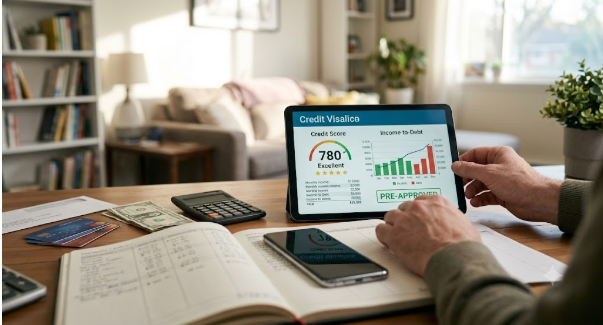
Applying for a Personal Loan involves more than submitting an application. Eligibility for a Personal Loan depends on several factors, with income and credit score playing the most important roles. These factors help lenders understand your repayment capacity and credit behaviour before making a lending decision. Knowing how they influence the assessment process can help you prepare more effectively. It also encourages responsible borrowing and supports informed financial decisions that align with your income, spending habits, and future financial goals.
Understanding the Role of Income in Personal Loan Eligibility
Income plays a key role in determining your repayment capacity during a Personal Loan assessment. Along with the amount you earn, lenders also consider the consistency of your income and your existing financial commitments. This helps them understand whether you can comfortably manage loan repayments throughout the repayment period. Several income-related aspects contribute to the assessment:
- Monthly Income: Regular earnings help establish your repayment capacity.
- Income Stability: Consistent earnings over time reflect financial reliability.
- Employment Status: Salaried and self-employed applicants are assessed according to their income patterns.
- Existing Commitments: Current repayment obligations help determine comfortable borrowing limits.
Income is an important part of the assessment because it provides a clear picture of your ability to manage future repayments responsibly.
Understanding the Role of Credit Score in Personal Loan Eligibility
A credit score reflects how responsibly you have managed credit over time. It is developed from your borrowing history and repayment behaviour. Maintaining healthy credit habits supports a stronger financial profile and demonstrates responsible credit management.
Several important factors influence your credit score:
- Repayment History: Paying credit obligations on time shows financial discipline.
- Credit Utilisation: Responsible use of available credit supports a healthy credit profile.
- Credit History Length: A longer history provides more information about your borrowing behaviour.
- Credit Mix: Managing different forms of credit responsibly contributes to a balanced profile.
A healthy credit score complements your income by providing evidence of consistent and responsible financial behaviour over time.
Why Income and Credit Score Create a Balanced Financial Profile
Income and credit score provide different but equally valuable insights during a loan assessment. Income reflects your present repayment capacity, while your credit score demonstrates how you have handled previous borrowing responsibilities. Together, they provide a broader understanding of your financial position.
Looking at both factors allows lenders to assess affordability alongside credit behaviour. This balanced approach supports lending decisions that match an applicant’s financial capacity. It also encourages responsible borrowing by aligning loan commitments with repayment ability and established credit habits.
How Different Income Sources Influence Personal Loan Eligibility
Income can come from different sources, and each may be considered during a Personal Loan assessment. Regular and verifiable earnings help lenders understand your repayment capacity more accurately. Knowing how different income sources are evaluated can help you prepare the required information before applying.
Common income sources include:
- Salary Income: Regular monthly earnings provide predictable repayment capacity.
- Business Income: Consistent business earnings help demonstrate stable repayment capacity.
- Professional Income: Freelance or consulting income may be considered when supported by reliable records.
- Additional Income: Regular rental income and other verifiable sources of income may strengthen the overall financial profile.
Considering different income sources allows a more complete assessment of an applicant’s repayment capacity.
Practical Ways to Strengthen Your Personal Loan Eligibility
Building a stronger financial profile requires consistent habits rather than sudden changes. Simple financial practices can gradually improve your borrowing profile and prepare you for future credit needs. Some useful steps include:
- Maintain Stable Earnings: Consistent income supports long-term repayment capacity.
- Pay Credit Dues Promptly: Timely repayments help build a positive credit history.
- Use Credit Responsibly: Moderate credit utilisation reflects disciplined financial management.
- Review Your Credit Report: Regular checks help ensure your credit information remains accurate.
- Choose A Suitable Loan Amount: Selecting an appropriate borrowing amount, including an unsecured Personal Loan, supports comfortable repayments.
Following these practices consistently helps strengthen your financial profile while encouraging responsible borrowing decisions over time. Good financial habits develop gradually through consistent planning and responsible credit management. Regular attention to income, spending, and repayments creates a stronger foundation for future borrowing needs.
Conclusion
Understanding how income and credit score influence Personal Loan assessments helps you prepare before applying. Stable earnings demonstrate repayment capacity, while a healthy credit score reflects responsible borrowing behaviour. Together, they present a balanced picture of your financial profile and support eligibility for a Personal Loan. Maintaining disciplined financial habits, managing credit wisely, and borrowing within your means can strengthen your overall position. Thoughtful preparation encourages informed borrowing decisions and supports greater financial confidence over the long term.