
 English


Kitchen Storage Mistakes That Make Cooking Difficult

Kitchen Storage Mistakes That Make Everyday Cooking More Difficult
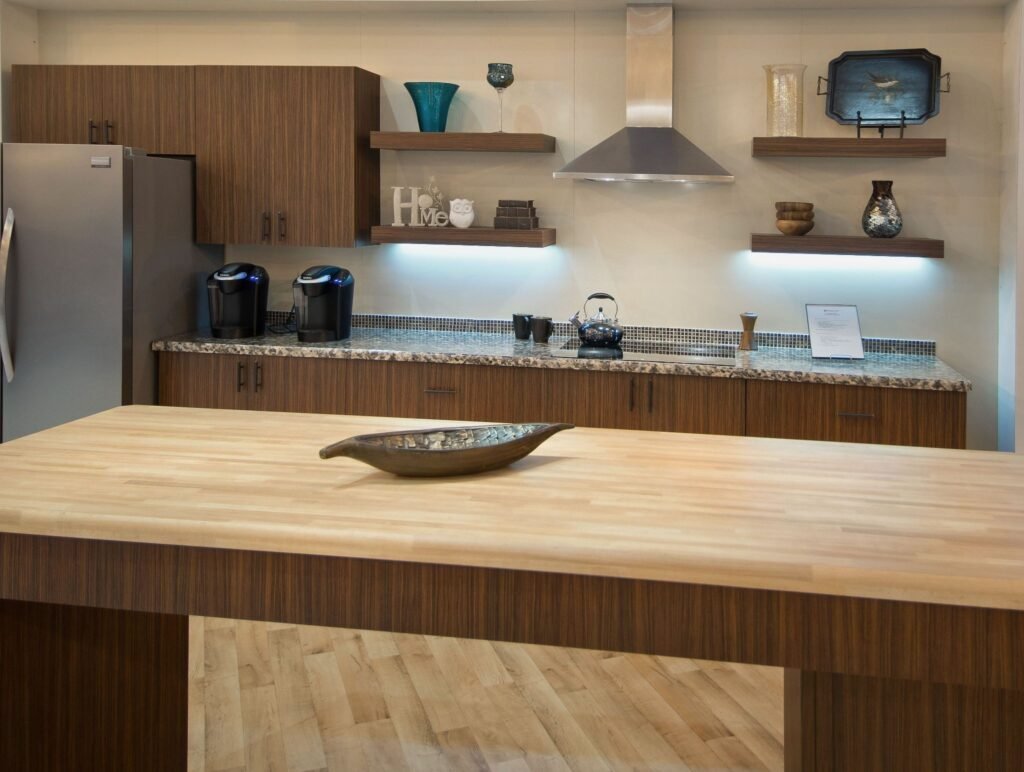
The kitchen is one of the busiest areas in any home. It is where meals are prepared, conversations happen, and daily routines take place. However, even a beautiful kitchen can become frustrating when storage is not planned properly.
Many kitchen storage problems are not caused by a lack of space. Instead, they happen because cabinets, drawers, and storage areas are not designed around the way people actually use their kitchens.
From overcrowded counters to difficult-to-reach cabinets, small storage mistakes can make everyday cooking take more time and effort. Understanding these common issues can help homeowners create a kitchen that feels more organized, comfortable, and practical.
Keeping Everyday Items in Inconvenient Locations
One of the biggest kitchen storage mistakes is placing frequently used items too far from where they are needed. Cooking becomes easier when ingredients, tools, and cookware are stored near the areas where they are commonly used. For example, pots and pans should usually be close to the cooking area, while plates and glasses should be easy to access after cleaning.
When everyday items are stored in inconvenient locations, homeowners often move around more than necessary. This can make simple tasks feel tiring, especially when preparing meals multiple times a day. A functional kitchen should support natural movement. Storage placement should follow daily habits rather than simply filling available cabinet space.
Overloading Cabinets Without Proper Organization
Having more cabinets does not always mean having better storage. Without a proper organization system, cabinets can quickly become crowded and difficult to manage. Many homeowners place items wherever they find space. Over time, similar items become mixed together, and finding the right tool or ingredient becomes frustrating.
A better approach is to organize cabinets based on categories and usage. Cooking tools, baking supplies, food containers, and small appliances should each have their own dedicated areas. This simple change can reduce clutter and make the kitchen easier to maintain.
Ignoring Lower Cabinet Functionality
Lower cabinets often provide valuable storage, but they are frequently overlooked during kitchen planning. Traditional shelves can make it difficult to reach items stored at the back. Heavy cookware, mixing bowls, and larger kitchen supplies are often placed in lower areas. If these spaces are poorly organized, homeowners may need to remove multiple items before finding what they need.
Creating effective base cabinet storage can improve accessibility by making better use of lower kitchen areas. Thoughtful layouts allow homeowners to store heavier items safely while keeping frequently used products within easy reach. Lower cabinets should not simply be empty spaces beneath countertops. They should be planned as practical storage zones that support everyday cooking.
Using Countertops as Permanent Storage Areas
A common sign of poor kitchen storage is when countertops become filled with items that do not belong there. Small appliances, containers, and cooking supplies often remain on counters because there is no convenient place to store them. While some appliances may be used regularly, too many items can reduce available preparation space.
Clear countertops create a more comfortable cooking environment. They also make cleaning easier and help the kitchen feel more organized. Before keeping something permanently on the counter, homeowners should consider how often it is used. Items that are only needed occasionally may be better stored inside cabinets.
Not Planning Enough Food Storage Space
Food storage is another area where kitchens often struggle. Without proper planning, grocery items can become difficult to see and organize. Deep shelves may cause smaller packages to disappear behind larger containers. This can lead to forgotten ingredients and unnecessary purchases.
A dedicated storage area helps keep food visible and easier to manage. Proper shelf placement, organized containers, and accessible storage can improve daily kitchen routines. Using practical pantry cabinet storage can help homeowners create a better system for dry goods, snacks, and cooking ingredients. When food items are organized properly, meal preparation becomes faster and more convenient.
Forgetting About Difficult Kitchen Areas
Some parts of the kitchen are naturally harder to use. Corners, narrow spaces, and deep cabinets can become wasted areas if they are not planned carefully. Many homeowners avoid using these spaces because items placed there become difficult to reach. As a result, valuable storage capacity remains unused.
Instead of ignoring difficult areas, homeowners should find solutions that improve accessibility. Smart cabinet layouts can help transform challenging spaces into useful storage areas. Every part of the kitchen should have a purpose. Even smaller areas can contribute to better organization when planned correctly.
Choosing Storage Based Only on Appearance
A kitchen should look attractive, but appearance should not be the only factor considered during storage planning. Some designs may look impressive but create problems during daily use. A cabinet layout that does not match cooking habits can become inconvenient over time.
The most effective kitchens balance visual appeal with practical functionality. Storage decisions should be based on how the kitchen will be used every day. A beautiful kitchen is more enjoyable when it also makes daily tasks easier.
Not Considering Future Needs
Many homeowners plan storage only according to their current lifestyle. However, kitchen needs can change over time. Families may grow, cooking habits may change, or new appliances may be added. A storage system that works today should also provide flexibility for future needs.
Adjustable shelves, practical cabinet layouts, and organized storage areas can help a kitchen remain useful for many years. Thinking ahead during the planning stage can prevent future problems and reduce the need for additional changes later.
Adding Too Many Storage Features Without Purpose
Modern kitchens offer many storage accessories, but not every feature is necessary for every homeowner. Specialized organizers can be helpful when they solve a real problem. However, adding too many features without considering their actual use can increase costs without improving functionality.
Homeowners should focus on solutions that make everyday activities easier. Simple improvements often provide the greatest benefits. The purpose of storage is not to fill every available space. It is to create a kitchen where everything has a logical place.
Not Creating Dedicated Kitchen Zones
A well-organized kitchen usually has different areas for different activities. Preparation zones should contain commonly used cooking tools. Cooking areas should have easy access to cookware and ingredients. Cleaning areas should include supplies related to washing and maintenance.
Without clear zones, people spend more time searching for items and moving around the kitchen. Creating dedicated areas improves workflow and makes the kitchen feel more efficient.
Ignoring the Importance of Proper Planning During Renovations
Kitchen renovations provide an opportunity to solve existing storage problems. However, many homeowners focus only on appearance and forget about functionality. Before replacing cabinets, it is important to evaluate what currently works and what causes frustration.
Questions such as these can help:
- Which areas create the most clutter?
- Which items are difficult to access?
- What storage problems happen repeatedly?
Answering these questions helps create a kitchen that is designed around real needs.
Making Storage Decisions Without Professional Guidance
Planning kitchen storage can be challenging, especially when dealing with limited space, unusual layouts, or major renovations. Professional guidance can help homeowners understand how different cabinet options fit their space and lifestyle.
A well-planned kitchen considers measurements, movement, storage requirements, and long-term usability. This approach helps avoid mistakes that may become expensive to correct later.
Final Thoughts
Kitchen storage mistakes can make everyday cooking more difficult, even in a large and modern kitchen. Poor organization, unused spaces, and inconvenient layouts can create unnecessary frustration. The best storage solutions focus on accessibility, organization, and daily comfort. By planning cabinets around real habits and choosing practical storage options, homeowners can create a kitchen that feels easier to use.
A well-organized kitchen is not only more attractive it creates a better environment for cooking, gathering, and enjoying everyday life.