
 English


Kitchen Countertops Quartz: Benefits, Design Ideas, and Buying Guide

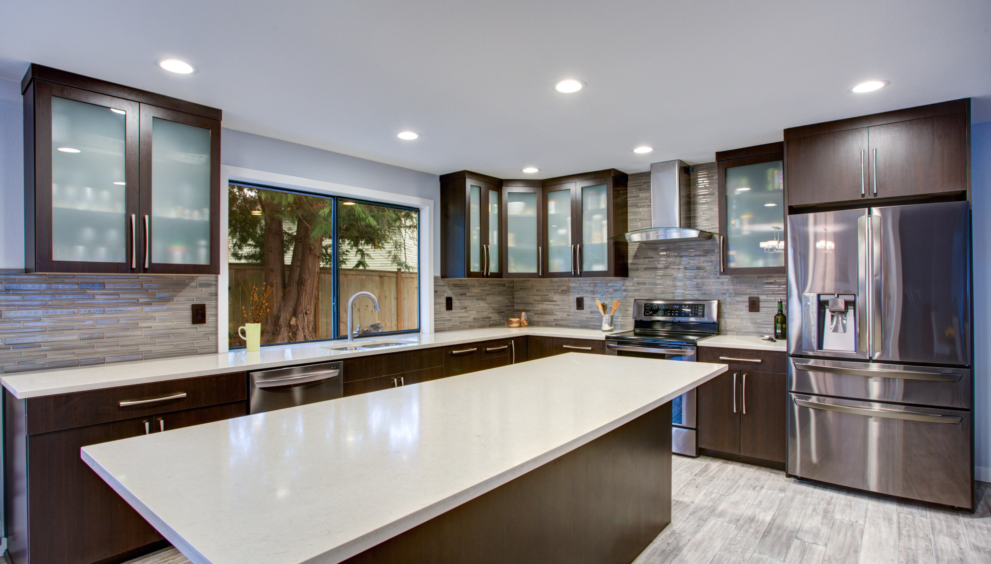
The kitchen is one of the busiest spaces in any home, making the choice of countertop an important decision for both functionality and aesthetics. Homeowners today seek surfaces that combine durability, low maintenance, and timeless appeal without compromising on style. Among the many options available, kitchen countertops quartz have become one of the most preferred choices for modern and traditional kitchens alike.
Whether you’re planning a complete kitchen renovation or upgrading an existing workspace, kitchen countertops quartz offer an excellent balance of practicality and elegance. Engineered from natural quartz combined with resins and pigments, these countertops are known for their strength, non-porous surface, and wide variety of colors and finishes. Their ability to withstand everyday wear while maintaining their appearance makes them a popular choice for busy households.
What Are Quartz Kitchen Countertops?
Quartz kitchen countertops are engineered stone surfaces made primarily from crushed natural quartz mixed with polymer resins and color pigments. This manufacturing process creates a highly durable and consistent surface suitable for kitchens, bathrooms, and other interior applications.
Some common characteristics include:
- Non-porous surface
- Scratch resistance
- Stain resistance
- Wide range of colors
- Consistent patterns
- Low maintenance requirements
Unlike many natural stone surfaces, quartz countertops do not typically require regular sealing, making them easier to maintain.
Benefits of Kitchen Countertops Quartz
Exceptional Durability
One of the biggest advantages of kitchen countertops quartz is their durability. They are designed to resist scratches, chips, and everyday wear, making them suitable for kitchens that experience frequent cooking and food preparation.
Low Maintenance
Quartz surfaces are easy to clean using mild soap and water. Since they are non-porous, they resist stains from common kitchen spills such as coffee, juice, and cooking oils without requiring periodic sealing.
Hygienic Surface
The non-porous nature of quartz reduces moisture absorption, making it more resistant to bacteria and mold growth compared to some porous materials.
Consistent Appearance
Unlike natural stone, engineered quartz offers more uniform colors and patterns, allowing homeowners to achieve a cohesive kitchen design.
Popular Design Options
Quartz countertops are available in numerous styles to suit different kitchen interiors.
Some popular choices include:
- Solid white finishes
- Marble-inspired patterns
- Concrete-effect surfaces
- Matte finishes
- Polished finishes
- Bold contemporary colors
- Natural stone-look designs
This wide variety allows homeowners to match countertops with cabinetry, flooring, and backsplashes while creating a personalized kitchen aesthetic.
Factors to Consider Before Choosing Quartz Countertops
Selecting the right countertop involves evaluating several practical considerations.
Thickness
Quartz slabs are available in different thicknesses depending on the desired appearance and structural requirements.
Color Selection
Choose colors that complement cabinets, flooring, and wall finishes while considering the amount of natural light available in the kitchen.
Edge Profiles
Different edge styles, including straight, beveled, bullnose, and waterfall edges, contribute to the overall design and functionality.
Professional Installation
Because quartz slabs are heavy and require precise fabrication, professional installation is generally recommended to ensure proper fitting and long-term performance.
Caring for Kitchen Countertops Quartz
Although quartz is relatively easy to maintain, following a few simple practices helps preserve its appearance.
Recommended maintenance includes:
- Clean spills promptly.
- Use mild soap and warm water.
- Avoid harsh chemical cleaners.
- Use cutting boards during food preparation.
- Place hot cookware on trivets instead of directly on the surface.
- Wipe surfaces regularly with a soft cloth.
Routine care helps maintain the countertop’s finish while extending its lifespan.
Common Applications Beyond Kitchens
While primarily used in kitchens, quartz surfaces are also suitable for:
- Bathroom vanities
- Utility rooms
- Laundry areas
- Commercial reception desks
- Office break rooms
- Hospitality spaces
Their durability and attractive appearance make them versatile for both residential and commercial interiors.
Quartz Compared to Other Countertop Materials
When compared with other countertop materials, quartz offers several distinct advantages.
- Unlike granite, quartz generally does not require sealing.
- Compared to laminate, quartz provides significantly greater durability.
- Unlike marble, quartz is generally more resistant to staining and etching.
- Quartz offers greater consistency in color and pattern than many natural stones.
However, homeowners should remember that quartz is not completely heatproof, and hot cookware should always be placed on protective trivets to avoid damaging the resin content.
Trends in Modern Quartz Countertops
Modern kitchen design increasingly favors clean lines, neutral color palettes, and durable materials that combine functionality with visual appeal. Large-format quartz slabs, seamless waterfall islands, subtle veining, and matte finishes continue to gain popularity in contemporary homes. Manufacturers also continue developing innovative colors and patterns that closely replicate natural stone while maintaining the performance benefits of engineered quartz.
Conclusion
Selecting the right countertop is an important investment that influences both the appearance and functionality of a kitchen for many years. Kitchen countertops quartz provide an ideal combination of durability, low maintenance, hygiene, and design flexibility, making them suitable for a wide variety of home styles. Those exploring premium engineered stone options may also consider a Rougui quartz worktop when comparing materials for a stylish and long-lasting kitchen renovation. By considering factors such as color, thickness, finish, and installation, homeowners can choose a surface that meets both practical and aesthetic needs.