
 English


Understanding Clear Aligner Treatment Before Making a Choice

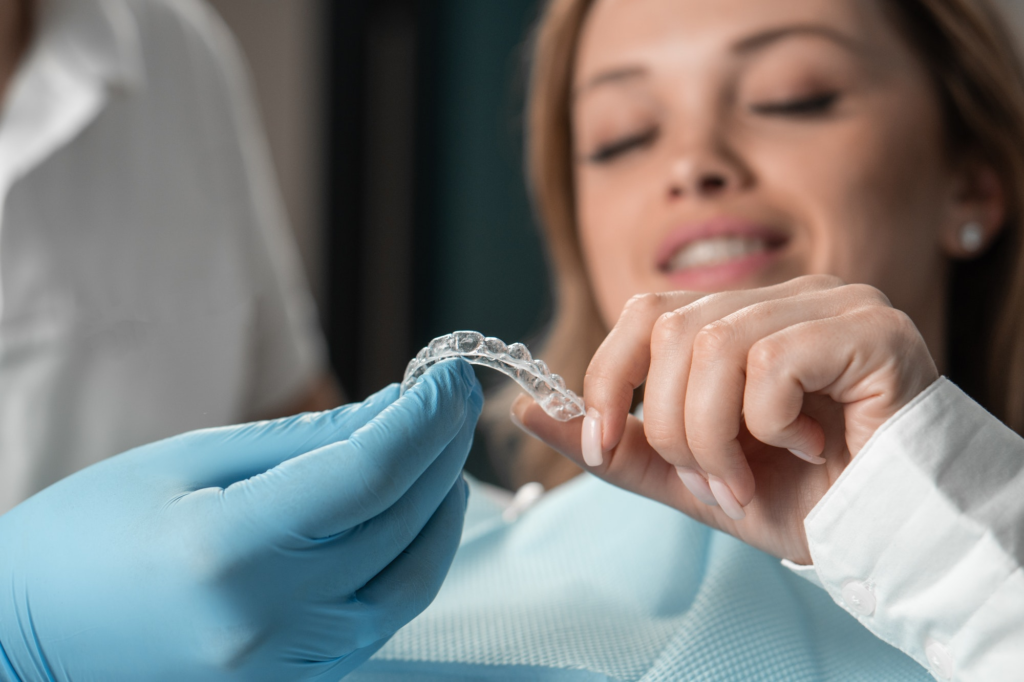
Clear aligners use a sequence of custom-made transparent trays to guide teeth through planned orthodontic movements. Instead of brackets and archwires remaining attached to the teeth, each removable tray applies controlled pressure according to a predetermined treatment sequence. This approach can address selected alignment and bite concerns while remaining discreet during everyday activities.
Before treatment begins, patients often want to understand clear aligners cost in Singapore and what determines the final treatment requirements. Complexity, expected tooth movement, treatment duration, diagnostic planning, and the number of stages can influence the overall process. An orthodontic assessment is therefore necessary before a suitable treatment approach can be established.
How Clear Aligners Move Teeth Into Planned Positions
Clear aligners work by applying controlled forces to selected teeth through a sequence of individually designed trays. Each appliance represents a particular stage of treatment, so changing from one tray to the next gradually advances the teeth toward their planned positions. Digital treatment planning helps map these movements before active treatment begins.
For effective movement, trays generally need to remain over the teeth for approximately 20 to 22 hours each day. They can be removed for meals, brushing, and flossing, but extended periods without them may interfere with planned progress. Consistent wear is therefore an important part of treatment.
The basic treatment mechanism involves:
- Digitally planned tooth movements
- Custom-made removable trays
- Sequential changes between aligners
- Controlled pressure on selected teeth
- Periodic orthodontic assessment
Why Orthodontic Assessment Comes Before Treatment
Visible crookedness provides only part of the information required for orthodontic planning. The clinician must also evaluate the relationship between the upper and lower teeth, available space within each dental arch, existing rotations, and the overall bite before recommending a treatment method.
Diagnostic records may include photographs, X-rays, dental records, and three-dimensional scans. Once the condition has been evaluated, a personalized plan can establish which teeth need movement and how those movements should occur throughout treatment.
Important factors assessed before treatment can include:
- Degree and location of crowding
- Spaces between teeth
- Upper and lower bite relationship
- Tooth position and rotation
- Complexity of required correction
Crowding and Tooth Rotation
Crowding occurs when the dental arch does not provide enough room for teeth to occupy suitable positions. Individual teeth may overlap, rotate, or erupt outside the expected alignment, requiring carefully sequenced movement rather than simply pushing the visible front teeth into a straighter line.
Spacing Between Teeth
Gaps may occur between individual teeth or across several areas of the dental arch. Closing them requires planned movement that considers neighboring teeth as well as the final bite, since reducing visible spaces alone does not necessarily create an appropriate orthodontic result.
Overbite
An overbite describes excessive vertical overlap between upper and lower front teeth. The amount of correction required varies between patients, which means an orthodontist must assess the complete bite before deciding whether removable treatment can produce the required movement.
Underbite
With an underbite, the lower teeth sit farther forward relative to the upper teeth. The underlying reason can involve dental positioning, jaw relationships, or both, making professional diagnosis particularly important before a treatment method is selected.
Crossbite
A crossbite occurs when certain upper and lower teeth meet in an abnormal relationship when the patient bites together. Its location and severity influence treatment planning because correcting the condition may require movements involving several teeth rather than one isolated position.
Open Bite
An open bite leaves a gap between particular upper and lower teeth even when the remaining teeth come together. Treatment requirements depend on the cause and extent of the opening, so suitability for removable appliances needs individual clinical assessment.
Daily Wear and Oral Hygiene Affect Treatment Progress
Removability provides a practical advantage during meals and oral care. Patients can take the trays out before eating and then brush and floss without having to work around permanently attached brackets. The appliances should be placed back over clean teeth according to the prescribed wear schedule.
That convenience also makes patient participation essential. Since the appliance only applies force while being worn, inconsistent use can affect how closely actual tooth positions follow the planned sequence. A later tray may not fit as intended if earlier movements have not been completed sufficiently.
Useful daily habits include:
- Removing trays before meals
- Cleaning teeth before reinserting appliances
- Keeping trays clean
- Following the prescribed wear duration
- Storing removed trays safely
Clinical Reviews Remain Important During Aligner Therapy
Digital planning provides a roadmap, but biological tooth movement still needs professional supervision. Teeth do not necessarily respond at exactly the same rate, particularly when several rotations, space closures, or bite corrections are occurring during the same treatment period.
Regular monitoring can help evaluate:
- Whether trays are fitting correctly
- Progress of planned tooth movements
- Changes in the patient’s bite
- Compliance with the treatment sequence
- Readiness for subsequent treatment stages
Clear Aligners and Fixed Braces Work Differently
Fixed braces use brackets bonded to individual teeth with an archwire running through them. Depending on the system, small elastic modules or built-in clips secure the wire. Because the appliance remains attached, orthodontic forces continue without depending on the patient remembering to insert it.
Clear trays fit over the teeth rather than being bonded to them. Their transparent construction makes them less noticeable, while removability simplifies eating and routine brushing. However, the ability of a removable appliance to produce particular tooth movements can differ from that of fixed orthodontic hardware.
Choosing between the two therefore requires more than comparing appearance. Considerations include:
- Complexity of the required movement
- Patient ability to maintain daily wear
- Bite correction requirements
- Oral hygiene preferences
- Orthodontist’s clinical recommendation
Final Thoughts
Which treatment makes sense when appearance, bite correction, daily convenience, and professional monitoring all need consideration? The strongest starting point is an orthodontic assessment that identifies what movements are actually required before a patient commits to a particular appliance.
For patients comparing aligners braces, suitability should carry more weight than appearance alone. With orthodontic care led by an MOH-accredited specialist, BRACESAURUS provides clear aligner and fixed-brace options supported by diagnostic assessment, customized treatment planning, progress reviews, and post-treatment retention for appropriate cases.