
 English


Why Delivery Confirmation Matters for Hire and Reward Work

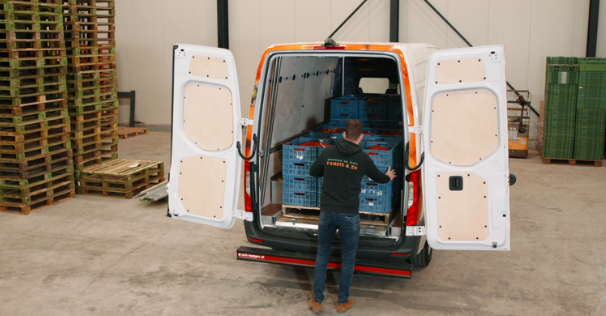
A delivery is not finished simply because the vehicle has reached the address. For hire and reward work, the final handover can decide whether the job is clear or disputed later. Delivery confirmation creates a record that the driver completed the agreed step, or explains why completion was not possible.
What counts as confirmation depends on the service. It might be a recipient signature, a photograph taken in line with the operator’s process, a scan, an app status or another approved record. The driver should follow the instructions for the job rather than inventing a method at the door. Some goods and customers may also require specific handling or identity checks.
Accuracy matters more than speed. Marking an item delivered before the handover is complete can create problems if the driver then finds nobody available or cannot access the property. The status should reflect what actually happened. If a parcel is left in an authorised place, the record should match the operator’s rules and the customer instruction.
Failed deliveries need equally clear records. “Could not deliver” tells the next person very little. Where the system allows, recording a suitable reason such as no access, no recipient or an address issue helps the operator decide the next action. Drivers should avoid adding unnecessary personal information and use the categories and notes provided by the business.
Confirmation also helps with route control. Once a stop is genuinely complete, dispatchers and drivers can distinguish finished work from outstanding jobs. That can reduce duplicate calls and prevent a completed address being treated as still active. When several deliveries are grouped in one area, reliable status information becomes especially useful.
Once driving becomes part of a paid service, the insurance considerations change. A courier delivering parcels and a taxi driver carrying passengers, for example, are using their vehicles for commercial purposes rather than ordinary personal travel. Hire & reward insurance can address this type of paid activity, with the appropriate cover depending on the work performed and the policy terms that apply.
A proof-of-delivery record does not create or extend hire & reward insurance. Its purpose is to document the service event. Insurance responds according to the policy and circumstances of an insured incident. Keeping these roles separate helps drivers avoid assuming that good paperwork can compensate for unsuitable cover, or that suitable cover removes the need for accurate delivery records.
Disputes show why confirmation matters. A customer may report that an item was not received, was left somewhere unexpected or arrived at a different time from the one recorded. A clear delivery record gives the operator a factual starting point for checking the issue. It may not settle every complaint, but it is more useful than relying on a driver’s memory days later.
Drivers should also think about data security. Delivery apps and handheld devices can contain names, addresses and other work information. Screens should not be left openly visible when unattended, and devices should be protected according to the operator’s rules. Photographs should be taken only where the process calls for them and should avoid capturing unrelated personal information where possible.
The best confirmation process is quick enough to use consistently. If it requires too many unnecessary steps, drivers may be tempted to postpone updates until later, increasing the chance of errors. Clear fields, sensible status options and reliable equipment make accurate completion easier.
From the customer’s perspective, confirmation can provide reassurance that the job has reached its final stage. For the operator, it creates a usable trail of completed and failed stops. For the driver, it reduces the need to reconstruct a busy day from memory.
Reliable delivery confirmation therefore supports both service quality and operational control. With sensible route planning, secure handling and appropriate hire & reward insurance in place, drivers gain a clearer record of completed work, failed stops and the next required action.