
 English


How Biological Dentistry Courses Teach Patient-Centered Dental Care

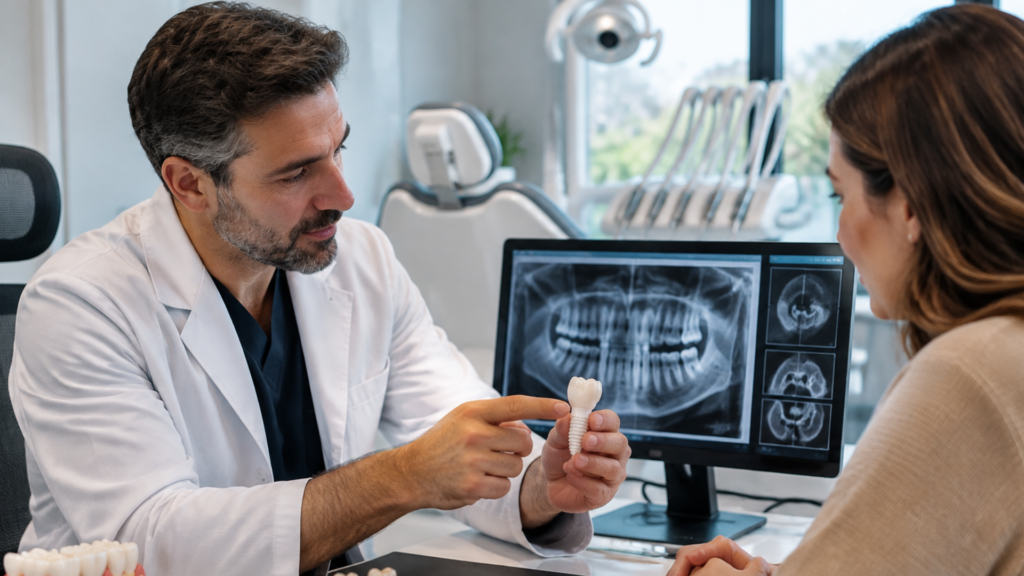
Modern patients are no longer only looking for quick solutions to dental problems. They want to understand why problems occur, what materials are being used, and how dental treatments may affect their overall health.
A Biological Dentistry Course trains dentists to approach care through a broader clinical framework. Instead of looking at the tooth as an isolated structure, biological dentistry considers the relationship between the mouth, materials, inflammation, nutrition, and whole-body health.
Through structured education in areas such as oral-systemic health, ceramic implants, biological protocols, nutrition, and patient communication, dentists learn how to create treatment plans that consider the individual behind the dental condition.
1. Teaching Dentists to Look Beyond the Immediate Dental Problem
A major difference between conventional and biological dentistry education is the approach to identifying problems.
Traditional treatment often focuses on managing the visible dental issue. Biological dentistry encourages dentists to ask additional questions:
- Why did this condition develop?
- Are there contributing factors outside the tooth itself?
- Could materials, inflammation, nutrition, or lifestyle factors influence outcomes?
The BGS framework describes this shift as moving from treating symptoms toward identifying and addressing potential systemic causes connected with oral health.
This changes patient conversations. Instead of only explaining what procedure is needed, dentists can discuss contributing factors and long-term care strategies.
2. Helping Dentists Understand the Oral-Systemic Connection
A key part of biological dentistry education is understanding how oral health relates to broader health considerations. A Biological Dentistry Course teaches dentists concepts such as:
- The relationship between oral tissues and overall health
- The role of inflammation in dental conditions
- The importance of patient history
- How oral conditions may influence treatment decisions
The BGS curriculum specifically includes the oral-systemic connection and how chronic health problems may relate to oral factors.
This allows dentists to develop treatment plans that consider the patient’s complete health background rather than focusing only on isolated dental findings.
3. Training Dentists to Make Better Material Decisions
Material selection is one of the important areas where biological dentistry education differs. Dental materials remain in the body for years, so understanding their properties is an important part of treatment planning. Biological dentistry courses introduce dentists to:
- Biocompatible materials
- Metal-free dentistry approaches
- Ceramic implant options
- Differences between implant materials
The BGS program includes education on titanium versus ceramic implants as part of its curriculum. This knowledge helps dentists have informed discussions with patients who want to understand available material choices.
4. Integrating Healing, Nutrition, and Recovery Into Treatment Planning
Patient-centered care does not end when a procedure is completed. Biological dentistry education also considers preparation, healing, and recovery.
Courses may teach dentists how nutrition and supplementation can support patient care before and after procedures. The BGS Food Design Concept focuses on clinical nutrition frameworks that prepare patients for surgery and support recovery.
This gives dentists additional tools to guide patients through the complete treatment journey.
5. Providing Clinical Protocols Instead of Isolated Knowledge
One challenge dentists face when learning new approaches is applying concepts in daily practice.
A Biological Dentistry Course provides structured frameworks that help dentists integrate new principles into existing workflows.
The BGS program includes:
- Clinical protocols
- Practical templates
- Patient-facing resources
- Frameworks for implementation
This helps dentists move from simply learning concepts to applying them during diagnosis, treatment planning, and patient communication.
6. Creating More Meaningful Dentist-Patient Relationships
Patient-centered care depends on trust and communication. When dentists understand the reasoning behind treatment choices, they can better explain:
- Why a specific material is recommended
- Why certain procedures may be considered
- How lifestyle and nutrition may influence outcomes
- What patients can expect during recovery
The BGS approach emphasizes translating biological dentistry principles into care that patients value.
Conclusion
A Biological Dentistry Course teaches dentists to approach patient care through a broader clinical framework. By combining oral-systemic health principles, material knowledge, healing protocols, and practical treatment systems, dentists can develop a more comprehensive approach to care.
Rather than focusing only on individual dental problems, biological dentistry education helps dentists evaluate the patient as a whole, communicate treatment decisions clearly, and build structured approaches that align with modern patient expectations.