 English


The Advantages of Using Kraft Pillow Boxes for Packaging

There’s a small stationery shop near where I used to live that wraps everything, even a single pencil, in the same plain brown pillow box. No ribbon, no sticker, nothing fancy. And somehow it always looked better than half the gift-wrapped stuff I’d get elsewhere. I asked the owner about it once and she just shrugged and said the box does the work so she doesn’t have to. That’s basically the whole pitch for Kraft paper pillow packaging in one sentence, though it took me a while to actually get why.
What a Kraft Paper Pillow Box Even Is
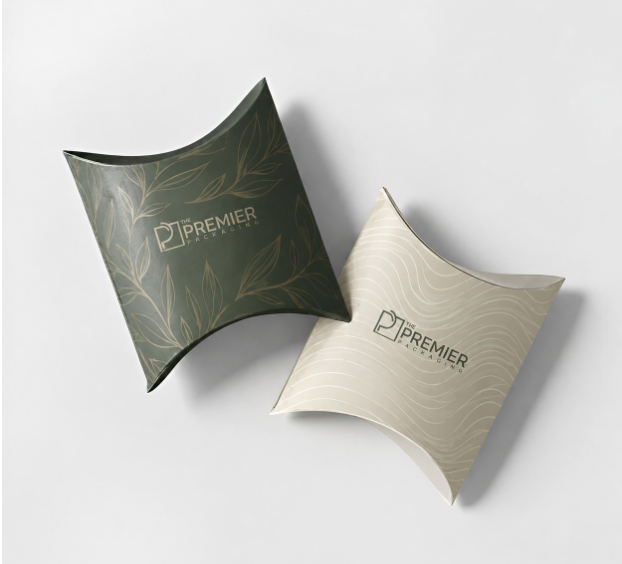
For anyone who hasn’t run into the term before, a pillow box is pretty much what it sounds like. Curved, a little puffed out, shaped like a small cushion instead of a flat rectangle with sharp corners pretending to be structural. Kraft paper is that unbleached, natural brown paper most people already know from grocery bags or shipping envelopes. Put the two together and somehow you get something that looks handmade even when it rolled off a production line by the thousands, which is a strange kind of trick when you think about it too long.
It Just Looks Right, Without Trying Too Hard
The first thing people notice is how it looks. Kraft paper has this warm, slightly rough texture that reads as natural without the box needing to print the word “natural” anywhere on it. That matters more now than it used to, honestly. People have gotten pretty sharp at spotting when a brand is performing sustainability versus actually meaning it, and a Kraft pillow box tends to land on the right side of that without trying hard at all. It doesn’t shout. It just sits there looking like it belongs on a farmers market table or in a tiny soap shop, even if what’s inside came from a warehouse three states away. That’s basically the whole pitch for Kraft paper pillow boxes in one sentence, though it took me a while to actually get why.
The Cost Question Nobody Wants to Lead With
Cost is the part nobody likes to bring up first, but it’s usually one of the first things someone actually asks once they’re deciding. Kraft paper runs cheaper than most coated or laminated options, partly because it skips a bunch of finishing steps and partly because the raw material itself is less processed to begin with. For a small business trying to package a hundred units without torching the whole budget on presentation, that difference adds up quickly. And you’re not really giving up much to get there the box still holds its shape, still does its job protecting whatever’s inside, still looks like a deliberate choice instead of the cheap fallback someone settled for.
It’s More Practical Than It Gets Credit For
Then there’s the practical side, which honestly is where these boxes earn their keep beyond just being pretty. That curved shape isn’t only cosmetic. It gives the box a bit of natural give, so it can hold slightly uneven items without looking strained the way a rigid box sometimes does when it’s forced to close over something that doesn’t quite fit right. Bars of soap, a candle, a piece of jewelry, a folded scarf, a few pieces of chocolate all of it settles into that curve without needing a custom insert cut down to the exact millimeter. That’s genuinely useful if you’re a smaller operation that can’t justify custom tooling for every single product you sell.
Putting One Together Takes About Ten Seconds
Assembly is stupidly easy too, and I say that as someone who has fought with fancier packaging plenty of times before. Most kraft pillow boxes arrive flat and pop into shape with one simple fold. No glue, most of the time. No instructions needed. Slide the product in, tuck the two tabs, done. If you’re packing orders by hand, whether that’s a one-person Etsy shop or a small team at the end of a long shift, that speed actually matters. Nobody wants to lose twenty minutes fighting with a box that should’ve taken twenty seconds.
Branding Gets Easier, Not Harder, With Kraft
It also happens to be one of the more forgiving materials when it comes to printing. A single stamped logo in one color looks clean and intentional against that brown background in a way it might just disappear against bright white board. Brands going for something minimal, a little understated, tend to end up here for exactly that reason the material is already doing part of the branding work before anyone’s added a single design element.
The Sustainability Angle Isn’t Just Marketing Talk
Then there’s the sustainability side, and I don’t think it’s just fluff in this particular case. Kraft paper is usually made from recycled content or from wood pulp that skips a lot of the bleaching and processing white paperboard goes through. It breaks down more easily, and most of it can go straight into curbside recycling without anyone needing to peel off coatings or laminate layers first. For customers who care about that, and more of them do every year, getting something in a Kraft box quietly says the brand thought about it, even without a single word on the packaging saying so directly.
Where It Falls Short
None of this makes Kraft pillow boxes the right call for absolutely everything, to be fair. If a product needs to look ultra-polished, glossy, high-shine on a shelf, the raw look of Kraft paper might undersell it a bit. And because the material is thinner and less rigid than something like chipboard, it’s not really built for anything heavy or sharp-edged that could push through it. It’s a box meant for softer, lighter items, and pushing it past that usually just ends with a dented corner or a box that looks tired before it’s even reached anyone’s hands.
Final Words
But for what it’s actually built for small gifts, samples, soaps, candles, jewelry, anything that’s better off looking a little effortless it’s hard to beat. Cheap enough to use in bulk, sturdy enough to do its job, and carrying this understated warmth that a lot of glossier packaging never quite manages, no matter how much gets spent trying to fake it.
If you’re on the fence about switching to Kraft pillow boxes for your own packaging, honestly, the easiest way to know for sure is to just order a handful of samples first. Photos never really capture the texture properly, and a lot of the appeal is something you only really notice once you’re holding one, not before.