 English

What Defines Luxury Boxes? Materials, Designs, and Uses Explained

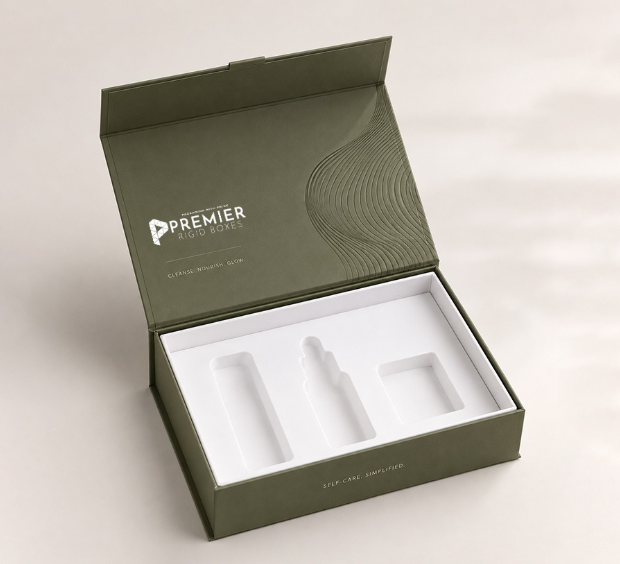
I once watched someone hold a $40 candle for a solid ten seconds before deciding to buy it, and when I asked her about it later, she didn’t mention the scent at all. She talked about the box how heavy it felt, how the lid lifted off slowly instead of popping open, how there was a little ribbon pull tab she wasn’t expecting. The candle was fine. The box is what sold her. That’s the whole game with luxury packaging, and it’s worth actually breaking down what makes a box “luxury” instead of just calling it that because it looks nice in a photo.
It’s Not Really About Looking Expensive
People assume luxury packaging is mostly about looks gold foil, a nice color palette, maybe some embossing. That’s part of it, sure, but it’s not the core of it. What actually separates a luxury box from a regular one is weight, resistance, and how it behaves in someone’s hands. A cheap box feels light and slightly hollow. A luxury box has heft to it, even when it’s empty. The lid doesn’t flop open, it resists a little, then gives way smoothly. None of that shows up in a product photo. You only notice it when you’re actually holding one, which is sort of the point it’s designed for a moment nobody sees on Instagram.
The Materials That Actually Make the Difference
Rigid chipboard is the backbone of custom luxury boxes, typically 2mm to 3mm thick. That’s noticeably heavier than what goes into a standard folding carton, and that’s why the box doesn’t flex or bend when you pick it up. On top of that board, you’ll usually see one of a handful of finishes doing the actual visual work.
Soft-touch laminate is probably the most common one right now it’s got this slightly matte, almost velvety texture that people can’t help touching, which sounds silly until you see someone do it without thinking. Foil stamping, gold or silver usually, adds a small hit of shine without covering the whole surface in it, which tends to look more expensive than going all-in on gloss everywhere. Embossing or debossing pressing a logo or pattern into the board so it’s raised or recessed adds texture you can feel with your eyes closed, and it photographs beautifully under the right light.
Then there’s the interior, which gets skipped over a lot but matters just as much. A foam insert cut to the exact shape of the product, or a fabric lining, or even just a nicer grade of tissue paper all of it signals that someone thought about the inside of the box as much as the outside, not just the part a customer sees before they open it.
Design Choices That Signal “Premium” Without Saying It
A lot of luxury design comes down to restraint, oddly enough. Cheaper packaging tends to cram in more colors, more text, more claims printed on the box. Luxury boxes usually do the opposite. A single logo, a lot of negative space, maybe one accent color against a neutral background. It reads as confidence rather than a shortage of ideas, even though it’s actually a lot harder to design well than something busy.
Closure mechanisms matter more than people expect too. Magnetic closures have become something of a default in this space because that little click when the lid meets the base feels satisfying in a way that’s hard to fake with a plain slide-off lid. Ribbon pull tabs are another common trick: instead of prying a lid off with your fingernails, you pull a ribbon and the lid lifts smoothly. It’s a small thing, but it changes the entire unboxing rhythm from something functional into something that feels intentional.
Where These Boxes Actually Get Used
Cosmetics and skincare lean on luxury packaging more than almost any other category, partly because the product itself is often colorless or unremarkable to look at, so the box does most of the emotional lifting. Jewelry is another obvious one a ring in a plain paper bag just doesn’t land the same way, no matter how nice the ring is. Watches, perfume, high-end chocolate, corporate gifting, wine and spirits for special releases all of these categories lean on the box being part of the product, not just a container for it.
It’s also become common outside of pure retail. Subscription boxes for higher-end products, hotel amenity kits, press kits sent to influencers or journalists anywhere a brand wants that first physical touchpoint to feel deliberate, luxury-style packaging shows up now, even for things that aren’t traditionally “luxury” products at all.
Is It Actually Worth the Extra Cost?
This is the question most people land on eventually, and the honest answer is: it depends on what you’re selling and who’s buying it. If someone’s making a fast, low-consideration purchase a snack, a basic household item spending extra on a magnetic-closure gift box is probably wasted money. But for anything where the purchase itself feels like an occasion, a gift, a treat-yourself moment, a first impression that needs to justify a higher price point, the packaging cost tends to pay for itself. People remember how something felt to open a lot longer than they remember the price they paid.
The trick is not overdoing it either. A $12 product in a box that clearly cost $8 to produce just looks confused, not premium. The packaging needs to match what’s actually inside it, or the whole thing reads as a mismatch rather than an upgrade.
Materials Commonly Used
| Material or Finish | What it adds |
| Rigid chipboard (2mm–3mm) | The structural weight and heft that separates luxury from standard boxes |
| Soft-touch laminate | A matte, tactile surface people naturally want to touch |
| Foil stamping (gold, silver, copper) | A controlled hit of shine, usually on a logo or accent detail |
| Embossing/debossing | Raised or recessed texture, adds a physical dimension to a flat design |
| Magnetic closure | That satisfying click, replaces a plain lift-off lid |
| Custom foam or fabric insert | Signals attention to detail on the inside, not just the outer shell |
Conclusion
At the end of the day, a luxury box isn’t luxury because someone slapped gold foil on it and called it a day. It’s the weight in your hand, the way the lid resists just enough before it lifts, the small choices: a magnetic click, a ribbon pull, an interior that was clearly thought about instead of an afterthought. None of that happens by accident, and none of it’s cheap to fake convincingly, which is exactly why it works so well when a brand gets it right.
Whether it’s worth the investment really comes down to what you’re selling and what moment that purchase represents for the person buying it. A gift, a treat, a first impression that has to justify a price tag those are the situations where the box earns its keep. Everything else, you’re probably better off saving the budget for somewhere it’ll matter more.